
Brittany Snow Shares How Alzheimer’s Changed Her Relationship With Her Father
Guest Contributor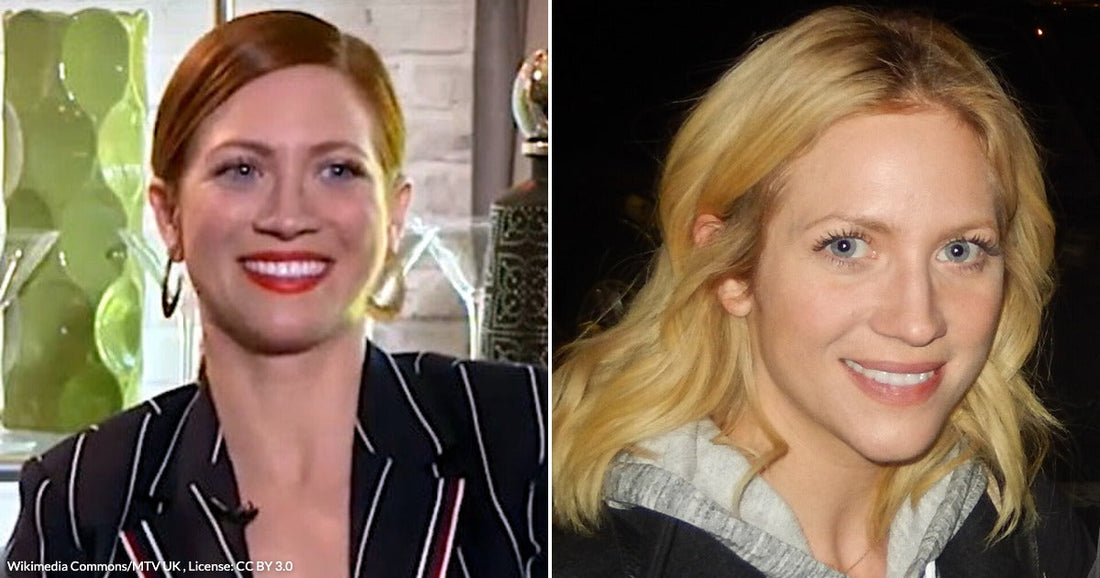
Brittany Snow is known to many for her work on screen, but her recent reflections on her father’s Alzheimer’s diagnosis reveal a far more personal story. In a conversation on the “Armchair Expert with Dax Shepard” podcast, the actor opened up about how her relationship with her dad has shifted, not disappeared, as his illness progresses. Her words offer a tender and realistic look at navigating Alzheimer’s, prolonged grief, and the unexpected ways love can change shape over time. For anyone touched by dementia or caring for an aging parent, her experience of “a different kind of relationship” with her father may feel especially resonant.
Snow shared that her father was 48 when she was born, which meant that their relationship always carried a natural awareness of age. Growing up, she describes their connection as “interesting,” suggesting that it was not always simple or straightforward. Everything changed when she was 12 and working on the soap opera “Guiding Light.” During that time, Snow explained, their bond deepened significantly. She said they became “so close,” describing a newfound connection that grew out of that period in her early career.

Wikimedia Commons/MTV UK , License: CC BY 3.0
That closeness did not vanish with his Alzheimer’s diagnosis. Instead, it transformed. Snow revealed that her father was diagnosed in 2020 and that his condition is now “pretty extreme.” She caught herself referring to their relationship in the past tense, saying “we were close,” then thoughtfully corrected it. They are still close, she emphasized, but the relationship has taken on a different form. In that simple correction there is a powerful truth many families of people with Alzheimer’s will recognize. The person you love might change, communication might shift, and roles might reverse, yet the bond and the history remain.
Snow spoke about living with a confusing blend of sadness, gratitude, and acceptance. Alzheimer’s has brought a kind of “prolonged grief,” which she described as both painful and strangely clarifying. Rather than one sharp, sudden loss, she is experiencing a long, drawn out goodbye. She explained that this has given her time to process and “make sense of the loss” bit by bit instead of being overwhelmed all at once. That phrase prolonged grief captures what many caregivers and family members report. There is an ongoing sense of mourning for the person as they once were, even while they are physically still here.

Wikimedia Commons/greg2600, License: CC BY-SA 2.0
At the same time, Snow is deeply aware of what she has gained within that painful reality. She shared that since his diagnosis, she has had “six years that I wouldn’t have had if he got cancer or something like that.” Knowing what was happening allowed her to be more present in those years, to consciously cherish conversations, visits, and small shared moments. She emphasized that she does not take this for granted. There is no diminishing the hardship of Alzheimer’s, but Snow’s perspective shows how some people find a different kind of appreciation in the slow, uneven passage of time this disease often brings.
One of the most emotionally challenging parts of her experience comes at the end of her visits. In a previous discussion on the “Broad Ideas with Rachel Bilson & Olivia Allen” podcast, Snow described how difficult it is to leave after spending time with her father. He does not fully understand where she is going or why she has to leave, which turns a simple goodbye into something heartbreaking. That disorientation is a common feature of Alzheimer’s and other forms of dementia, and it can weigh heavily on loved ones who know they must step away even when the person they care about is confused or distressed by their departure.
In those moments, Snow said she has to remind herself of something important. She believes that her father would want her to continue living her life, even while she stays connected to him. That reminder serves as a kind of compass, guiding her through the push and pull of caregiving, responsibility, and self-preservation. Many people who have a parent with Alzheimer’s struggle with guilt when they take time for themselves, pursue their careers, or maintain their own relationships and interests. Snow’s reflection gently affirms that caring for a loved one with Alzheimer’s and honoring one’s own life are not mutually exclusive.
Throughout her comments, she describes Alzheimer’s as both baffling and strangely beautiful. She called it “a baffling disease to witness” because of the unpredictable ways it affects memory, personality, and awareness. Yet she also spoke about the “interesting and beautiful” experience of seeing someone still present, but in a different version of themselves. That description of a “different version” does not deny the loss. Instead, it suggests a kind of openhearted curiosity and acceptance. The person is not who they once were, but they are still someone, still deserving of love, dignity, and attention in their changed state.
This perspective underscores a central theme in Snow’s reflections. A relationship does not end simply because illness changes it. She talked about “mining all the stuff before,” which evokes the idea of carefully sifting through memories, shared stories, and long-held connections as her father’s condition advances. For many families, this can become an act of preservation and healing. Remembering the person as they were, while engaging with who they are now, allows both past and present to coexist. It can help loved ones honor the whole of a person’s life rather than focusing only on the disease.
The broader conversation around Alzheimer’s often centers on loss, caregiving logistics, and medical details, all of which matter deeply. Snow’s story adds another layer to that picture. It highlights the emotional and relational shifts that unfold when a parent develops Alzheimer’s. There is grief, yes, but also gratitude for extra time, for newfound presence, and for the chance to say things that might have been left unsaid if the end had come suddenly. Her reflections suggest that even within a heartbreaking diagnosis, people can discover a different kind of closeness and a more intentional way of showing up for each other.
Brittany Snow’s experience does not simplify or romanticize Alzheimer’s. She speaks clearly about how hard it is to watch the disease progress and to face the confusion it creates. Yet her story also recognizes the resilience that can emerge in families, the redefinition of relationships, and the ongoing love that persists even as memory fades. For anyone walking a similar path, her words may offer comfort, validation, and a reminder that it is possible to hold both sorrow and appreciation at the same time, to grieve what is changing while treasuring what remains. Read more at https://www.businessinsider.com/brittany-snow-father-alzheimers-diagnosis-prolonged-grief-2026-11