
Common Diabetes Drugs May Be Quietly Cutting Dementia Risk Long Before Memory Problems Begin
Guest Contributor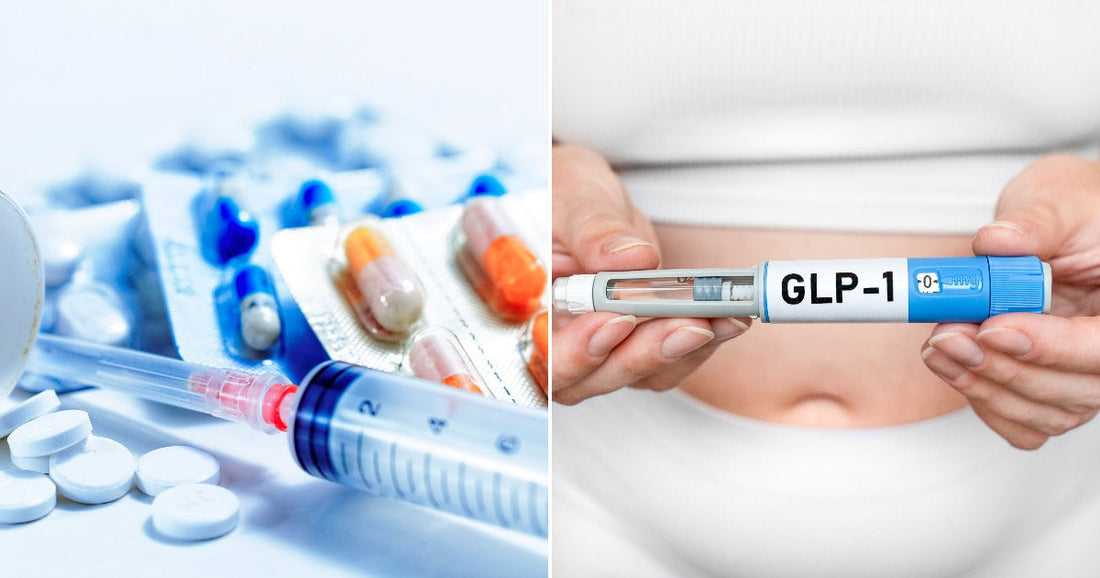
The medication that so many people take each day to manage type 2 diabetes might also be quietly guarding something far more fragile: the brain. A fast-growing body of research is uncovering a consistent link between certain diabetes medications and lower dementia risk. These findings go beyond blood sugar and weight management and raise a compelling question for anyone thinking about long-term brain health. Could common treatments like metformin, GLP-1 receptor agonists, and SGLT2 inhibitors be part of a new strategy to prevent dementia, especially in people already living with diabetes?
To understand why this connection matters, it helps to recognize how dangerous diabetes can be for the brain. A study published in Neurology in March 2026, using data from the All of Us cohort, found that people with type 1 diabetes were nearly three times more likely to develop dementia than people without diabetes. Those with type 2 diabetes were about twice as likely. These results held regardless of gender, race, or ethnicity, underscoring that diabetes itself, not demographic factors, drives much of the risk.

Within type 2 diabetes, severity appears to be critical. A 2026 analysis reported that people with type 2 diabetes who needed insulin faced dementia onset at over twice the rate of people without diabetes. That pattern suggests the metabolic burden associated with more advanced disease, and the stress it places on blood vessels and brain cells, has direct cognitive consequences. For type 1 diabetes, which makes up about 5 percent of cases, advances in care have extended life expectancy. This has made the long-term effects on brain health an increasingly important concern for older adults with the condition, as described by lead author and epidemiologist Jennifer Weuve.
The biology behind this risk is complex, but insulin resistance is a central thread. A 2021 paper in Frontiers in Neuroscience reported that insulin resistance can increase neuroinflammation and encourage the buildup of amyloid-beta proteins and abnormal tau. These two protein changes are hallmarks of Alzheimer’s disease. In other words, when the brain cannot use insulin properly, it may become more prone to the pathological changes associated with memory loss and dementia.

The stakes are high. In 2026, an estimated 7.4 million Americans aged 65 and older were living with Alzheimer’s disease according to the Alzheimer’s Association. At the same time, diabetes and dementia-related deaths in the United States climbed to 2.57 times their 1999 level by 2023. Against this backdrop, any therapy that can treat metabolic disease and potentially protect cognition earns serious attention from researchers and clinicians.
Among the drugs drawing the most focus are GLP-1 receptor agonists such as semaglutide and tirzepatide, which are widely used for type 2 diabetes and obesity. These medications mimic a natural gut hormone that helps regulate blood sugar and reduce appetite. As large clinical trials accumulated, researchers began to notice something unexpected. A pooled analysis of 26 trials involving more than 160,000 people with type 2 diabetes found that while most glucose-lowering drugs did not significantly reduce dementia risk, GLP-1 drugs were associated with a 45 percent reduction in Alzheimer’s disease and other dementias.

Real-world data have reinforced this signal. A 2024 cohort study of more than one million people with type 2 diabetes, published in Alzheimer’s & Dementia, found that semaglutide was linked with 40 to 70 percent lower risk of a first Alzheimer’s diagnosis compared with other diabetes medications, including other drugs in the GLP-1 class. The largest difference appeared when semaglutide was compared with insulin. Another 2025 study of about 200,000 patients in the US Department of Veterans Affairs system reported that those starting GLP-1 medications had a lower risk of neurocognitive disorders than those starting other treatments.
Scientists are still working out why these drugs might protect the brain. One hypothesis is that GLP-1 receptor agonists cross the blood-brain barrier more effectively than many other diabetes therapies. They might reduce neuronal loss, limit vascular damage, and act on pathways involved in Alzheimer’s pathology. In animal studies, these medications appear to reduce amyloid-beta plaques. Yet a 2025 phase 2b trial of liraglutide in people with mild to moderate Alzheimer’s disease, published in Nature Medicine, did not meet its primary outcome. Some secondary measures suggested possible benefit, which researchers believe may be more evident if treatment begins earlier in the disease course. GLP-1 drugs remain approved for type 2 diabetes and obesity, not for Alzheimer’s prevention or treatment.
Alongside GLP-1 therapies, metformin has steadily built its own reputation as a possible neuroprotective drug. It is one of the oldest and most widely prescribed medications for type 2 diabetes, and several studies now suggest it could help lower dementia risk. A 2024 study in Brain (Oxford) examined older adults with type 2 diabetes and found that metformin use was linked with a significantly reduced risk of dementia. The adjusted hazard ratio was 0.34, which translates to about a 66 percent lower risk compared with non-users during the study period. There also appeared to be a dose-response relationship, with those taking at least a full defined daily dose showing lower risk than those on smaller doses.
Another study, published in 2026 in the European Journal of Pharmacology, reported that metformin was associated with reduced dementia risk and lower all-cause mortality in older adults with type 2 diabetes. Mechanistically, research suggests metformin activates AMPK, improves insulin sensitivity, reduces neuronal cell death, and decreases oxidative stress and inflammation in the brain. These effects line up with some of the known biological contributors to Alzheimer’s progression. At the same time, not all data point in the same direction. Some studies have found no protective effect for people already living with Alzheimer’s disease, and one report identified a possible increased Alzheimer’s risk among specific Asian populations using metformin. Ongoing research, including an 18-month, double-blind, placebo-controlled prevention trial using doses up to 2000 mg per day, is expected to clarify these questions by 2027.
SGLT2 inhibitors form a third class of diabetes drugs under close study for brain outcomes. These medications, including empagliflozin, dapagliflozin, and canagliflozin, work at the kidney level to promote urinary excretion of excess glucose. A 2026 meta-analysis in Endocrinology, Diabetes & Metabolism found that SGLT2 inhibitors were linked with significantly reduced risk of incident dementia compared with DPP-4 inhibitors in people with type 2 diabetes, including both Alzheimer’s and vascular dementia. A separate 2025 population-based cohort study, published in Alzheimer’s Research & Therapy, observed a 14 percent lower dementia risk among those starting SGLT2 inhibitors relative to those starting DPP-4 inhibitors.
Further observational research that examined two large US patient databases found that initiating GLP-1 receptor agonists or SGLT2 inhibitors was associated with a substantially lower risk of Alzheimer’s disease than starting DPP-4 inhibitors. Proposed mechanisms for SGLT2-related brain benefits include reductions in oxidative stress and neuroinflammation, decreased amyloid burden, and favorable effects on neurotrophic factors, although these remain areas of active investigation.
Looking across these findings, several patterns emerge with practical implications. Earlier onset and greater severity of type 2 diabetes are closely linked with higher dementia risk, especially among people with obesity. That means the way blood sugar is managed over decades likely shapes cognitive health later in life. The evidence also suggests that medications are more effective at prevention than at treating established dementia. GLP-1 drugs and metformin, in particular, appear more promising for reducing the chance of developing dementia than for reversing or slowing decline once it is clearly underway.
For people already living with type 2 diabetes, these insights reframe everyday treatment decisions. Good glucose control has always been key for preventing heart disease, kidney damage, and neuropathy. Now it also looks like an important tool for protecting long-term brain function. Those taking metformin, GLP-1 receptor agonists, or SGLT2 inhibitors may be receiving an added layer of benefit beyond blood sugar management. Individuals using older medications that have not shown similar neuroprotective signals may want to discuss with their clinician whether newer drug options could safely provide equivalent metabolic control along with possible dementia risk reduction.
For people with type 1 diabetes, the story is more focused on risk awareness and careful management. Although type 1 accounts for a smaller share of overall dementia cases, the rising number of older adults living with the condition makes it vital to understand and reduce that risk where possible. At present, consistent, tight glucose management remains the most evidence-based way to protect the brain.
It is important to note that much of the evidence to date is observational. These studies can detect associations but cannot prove that the medications directly cause lower dementia risk. Several randomized trials are underway and will be crucial for confirming or challenging what current data suggest. Researchers also expect the next generation of GLP-1 drugs to have stronger overall effects, which might extend to neuroprotection. In the meantime, the emerging picture offers a powerful message. The brain is not separate from the rest of the body. How well we manage blood sugar over many years may be one of the most modifiable levers for preserving memory and cognition later in life.
Disclaimer: This information is not intended to be a substitute for professional medical advice, diagnosis, or treatment and is for information only. Always seek the advice of your physician or another qualified health provider with any questions about your medical condition and current medication. Do not disregard professional medical advice or delay seeking advice or treatment because of something you have read here.
AI Disclaimer: This article was created with the assistance of AI tools and reviewed by a human editor.