
Octavia Spencer Shares How a Routine Physical Revealed Her Diabetes
Guest Contributor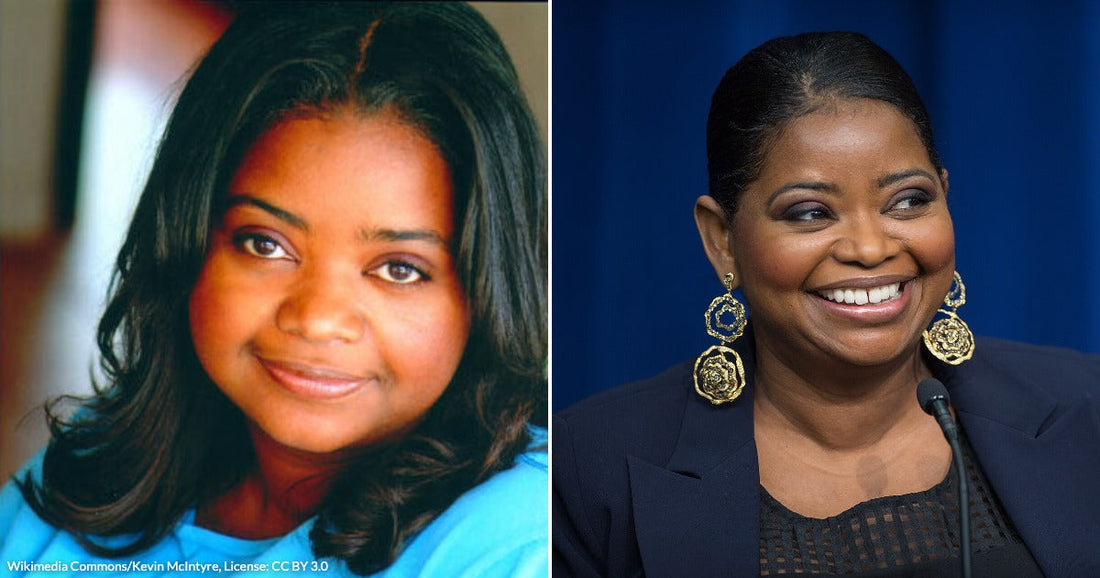
Octavia Spencer could be anywhere in New York City enjoying a hard-earned break, yet the Oscar winner has chosen to sit in a plain conference room and talk about a subject most people avoid: urine tests and kidney health. Her willingness to step into that unglamorous space is at the heart of her story, one that links type 2 diabetes, high blood pressure, chronic kidney disease risk, and the simple uACR test that helped put her mind at ease.
Spencer was diagnosed with type 2 diabetes in her 30s during a routine physical required before a long film or television shoot. At the time she felt healthy, worked constantly, and had no obvious symptoms. A fasting blood test told a different story. Her blood sugar was extremely high and had already progressed to full-blown type 2 diabetes. She later learned that more than 36 million Americans are estimated to have the condition, with many of them undiagnosed.

Wikimedia Commons/Kevin McIntyre, License: CC BY 3.0
The diagnosis was a shock, but not a complete mystery to her. She recalls weighing close to 300 pounds and recognizing, in hindsight, that her high body weight and lifestyle were risk factors. Growing up in Alabama, she developed a deep love of traditional Southern food. It had never seemed like a problem because she felt fine. That disconnect between “feeling okay” and what her lab work revealed is something she now calls a dangerous combination.
Her health wake-up call arrived at a time when her Hollywood career was just beginning to take off. In her 20s, Spencer worked behind the scenes on the film A Time to Kill, starring Samuel L. Jackson and Matthew McConaughey. She took a leap and asked director Joel Schumacher to let her audition. He cast her as a nurse, a role that opened the door to dozens more. The repeated preproduction physicals that come with steady acting work ended up being a lifeline, flagging a condition that might have gone unnoticed for years.
After her diabetes diagnosis, Spencer and her doctor created a plan to bring her high A1C into a healthier range. An A1C test reflects average blood sugar levels over time rather than at a single moment. She emphasizes that people often feel no pain or obvious problem when their A1C is high and that only testing makes the issue visible. She keeps the specifics of her own treatment private and instead urges others to talk with their healthcare providers about individualized strategies that typically blend lifestyle changes, regular blood sugar monitoring, and medications when needed.

Wikimedia Commons/NASA/Aubrey Gemignani, License: Public Domain
At the same time, she discovered she had hypertension. High blood pressure forces the heart to work harder and can damage arteries, increasing the risk of stroke, heart problems, vision changes, memory concerns, and sexual dysfunction. Spencer looks back and remembers only occasional headaches, which she attributed to stress, fatigue, and frequent travel. It was another invisible condition silently working against her health. Her doctor prescribed blood pressure medication and she began to understand how closely these chronic problems can be intertwined.
For people living with type 2 diabetes, kidney health is a crucial and sometimes overlooked part of the picture. Experts note that high blood sugar can damage the blood vessels and tiny filters inside the kidneys, which can then start to leak. As those filters become compromised, the kidneys require higher pressure to move blood through, which further strains them. This cycle contributes to chronic kidney disease and can eventually lead to kidney failure.
One test sits at the center of Spencer’s recent advocacy: the uACR, or urine albumin-to-creatinine ratio test. It checks for albumin, a protein normally found in the blood. When albumin appears in urine, it signals that the kidneys are not filtering properly and that the person may face a higher risk of kidney failure, heart attack, or stroke. Clinicians sometimes describe this type of result as a biological “check engine light” for the heart, kidneys, and related systems.
Spencer asked her doctor to add the uACR test to her routine labs last year. She admits she was terrified while waiting for the result, then completely relieved to learn that her kidneys were functioning well. The test itself was simple and could be done during a standard urinalysis. She knows many people avoid tests because they do not want to confront scary news, but she sees it differently. She argues that learning you are borderline can be a powerful opportunity to change course and that even more serious findings are a reason to act, not to hide, because there are interventions that can help.
Her mindset around health has shifted from casual to vigilant. She jokingly calls herself hypochondriacal, though many would see her attentiveness as a reasonable response to chronic conditions. She monitors her blood sugar and blood pressure every day and knows her numbers are controlled. She believes consistency and information matter more than perfection.
Spencer also recognizes how her background intersects with risk factors. She is open about coming from the South, having a higher body weight when she was younger, and growing up without abundant resources. People of color, individuals who live in lower income areas, and people who are overweight are all more likely to experience type 2 diabetes and high blood pressure. She feels she was firmly “in the demographic” and wants to reach others who see themselves in her story.
That desire is part of why she joined the Detect the SOS campaign and appeared in a Super Bowl ad with actor Sofía Vergara to raise awareness about the uACR test. Spencer hopes that her face, combined with her insistence on authenticity, will encourage people to ask their doctors about kidney health and advocate for themselves, particularly in communities where healthy food and quality care are harder to access.
Day to day, her approach to wellness is practical and grounded. When she is settled in one place for a project, she tends to eat the same reliable meals on repeat. While filming Ride or Die in Prague, that meant chicken kebabs, salads, bone broth, fresh pasta at times, and the occasional serving of prosciutto. She builds walking into her routine by heading out after meals, even for as little as ten minutes, which research suggests may help control blood sugar. At home, her mailbox sits about a quarter mile from her door, giving her a built-in reason to move.
Spencer has embraced gardening and now grows tomatoes, zucchini, collards, squash, peppers, and herbs. Non-starchy vegetables like these are recommended to fill half the plate for many people with diabetes. She connects this habit to her childhood, when her mother fed seven children with plenty of vegetables and legumes. Meat appeared mostly on Sundays and holidays, a pattern Spencer wryly describes as being “kind of vegetarian” because her family had limited means.
Her idea of meditation is personal and informal. She prefers quiet mornings where she sets intentions for the day, prays, and spends five or ten minutes practicing gratitude and simply inhabiting her space. Even if she hesitates to label it meditation, research has shown that short reflective practices can support better health outcomes. She also stretches after getting out of bed and keeps her mind sharp with word puzzles, including Wordle and similar apps.
What stands out in her account is that she does not chase perfection. She still enjoys red wine, prosciutto, and brisket. She readily admits she could walk more, eat better, or be more mindful. For her, the point is not to live under constant restriction but to ensure that the key numbers that reflect her health remain in a safe range. I found this balance between vigilance and enjoyment particularly striking because it models a realistic path forward for many people managing chronic conditions.
Spencer frames her advocacy as a way of looking back and standing up for her younger self, the woman in her 30s who felt fine yet was already living with undiagnosed diabetes and high blood pressure. By sharing her story and spotlighting tools like the uACR test, she hopes more people will catch silent problems sooner, ask informed questions, and feel empowered to change their habits in ways that support long-term health.
Read more at https://www.prevention.com/health/a73784805/octavias-odyssey-november-2026/