
Tiny Rabbit Is Pulled Soaked and Exhausted From a Swimming Pool Filter
Guest Contributor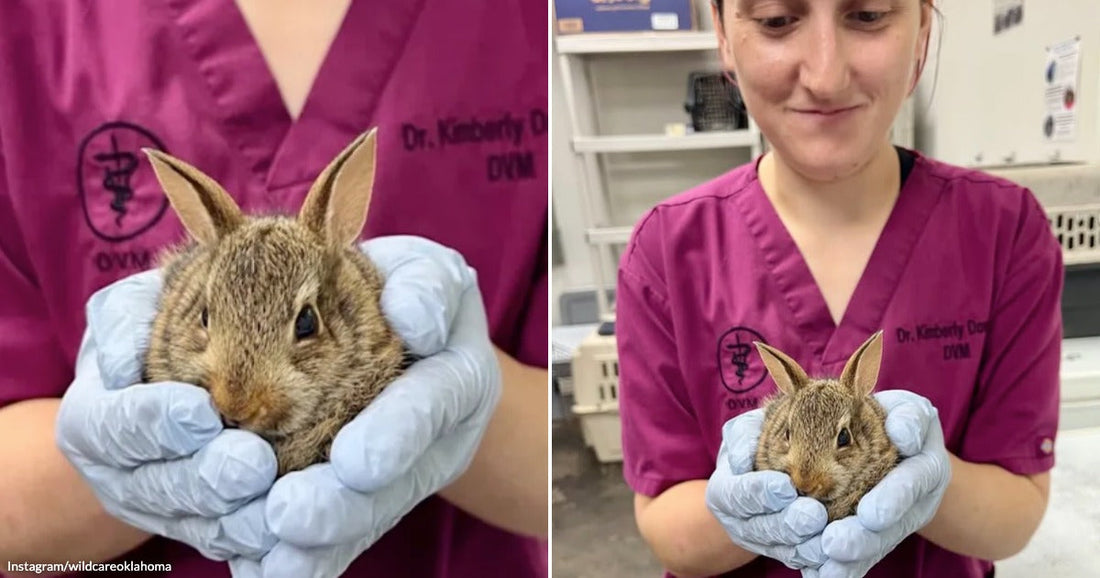
A tiny, soaked eastern cottontail rabbit pulled from a swimming pool filter recently got a second chance at life, thanks to the quick work of a wildlife rehabilitation center in Oklahoma. The story, shared by WildCare Oklahoma on Instagram, highlights both the hidden dangers that backyard pools can pose to wildlife and the crucial role that wildlife rehabilitation hospitals play in giving injured or exhausted animals a safe place to recover. For anyone who spends time outdoors or maintains a backyard pool, it is a gentle reminder that sharing space with wild animals comes with responsibilities, too, including simple steps like regular pool checks and wildlife friendly pool safety measures.
The post from WildCare Oklahoma paired the rabbit’s ordeal with a piece of hopeful news for the organization. The center announced that veterinarian Dr. Kimberly Downing had joined its staff, strengthening the capacity of its wildlife hospital. According to the caption, the facility now has two veterinarians and two registered veterinary technicians supporting its work. That staffing detail might sound small at first glance, but for a busy wildlife rehabilitation hospital that treats everything from injured birds to orphaned mammals, those extra sets of trained hands can make the difference between life and death for countless patients over time.

In the photo that accompanied the announcement, Dr. Downing holds the small rabbit gently while it peers forward, a quiet and disarming image after what must have been a terrifying experience for the animal. WildCare Oklahoma described the cottontail as “wet, scared, and exhausted” when it arrived after being rescued from a pool filter. The center emphasized that what this little rabbit needed most at that moment was rest and careful attention from professionals, not dramatic intervention. I found this detail striking because it illustrates that sometimes the most effective care is calm, patient monitoring rather than complex procedures.
Eastern cottontail rabbits are known for their resilience and adaptability, managing to live in a wide range of landscapes including suburbs and city edges. Even so, stress, cold, and exhaustion can overwhelm them very quickly. The rabbit in this story had already survived the ordeal of being trapped in a pool system, struggling in water that it could not escape. Animals in that situation can expend enormous amounts of energy just trying to stay afloat or find a way out, which can lead to rapid fatigue, hypothermia, and shock. Even when they appear outwardly unharmed, their bodies may be under severe strain, making professional evaluation and quiet recovery time critical.

Instagram/wildcareoklahoma
The rescue also reveals how easily human made environments can turn into hazards for wildlife. In suburban and urban neighborhoods, wild animals regularly encounter structures and features that did not exist in the habitats they evolved to navigate. Windows can confuse birds that see only reflected trees and sky, roads can catch slow moving animals off guard, and fences, netting, and garden features can trap or injure smaller creatures. Backyard pools are another of these hazards. They look like inviting sources of water during hot weather, especially in regions where summer heat is intense, but many animals that slip in cannot climb out.
According to WildCare Oklahoma, animals often become trapped in pools and may exhaust themselves as they search for an exit. As temperatures climb, they are even more likely to seek out water, yet smooth pool walls and skimmer openings provide no foothold. It is easy for a person to forget to check a skimmer basket or filter, but for a rabbit or frog that falls in overnight, the absence of a timely rescue can be fatal. This particular cottontail survived because someone happened to discover it, remove it from the pool filter, and get it into the hands of trained wildlife rehabilitators before it was too late.

Instagram/wildcareoklahoma
Wildlife rehabilitation hospitals like WildCare Oklahoma exist for exactly these moments. They are designed to receive orphaned, injured, or displaced animals that have encountered hazards created by human activity. Staff at such centers provide medical evaluation, supportive care, and a quiet environment where wild patients can recover without unnecessary stress. In addition to veterinary treatment, they monitor vital signs, check for internal injuries or infections, and make decisions about when an animal is ready for release back into the wild. Adding another veterinarian to the team increases the hospital’s ability to respond quickly, especially during peak seasons when calls about wildlife in distress become frequent.
The center noted that having two veterinarians and two registered veterinary technicians allows for better coverage and more comprehensive care. During busy rescue periods, this expanded team can evaluate more patients, respond faster to emergencies, and share the demanding work of treating diverse species. The story of this one cottontail rabbit is a symbol of that larger effort. Each new staff member represents the potential to help additional animals that may be struck by cars, injured by window impacts, orphaned by accidents, or caught in situations like uncovered pools and tangled fencing.
For people who want to reduce these kinds of incidents, the advice that emerged from the rabbit’s rescue is surprisingly straightforward. One of the easiest actions pool owners can take is to check skimmer baskets and filters regularly, particularly during warm months when wildlife is more active and frequently searching for water. A quick visual inspection can reveal frogs, small mammals, birds, or insects that might need help. Catching a trapped animal early often means the difference between a quick recovery and a life threatening emergency.
Another step involves installing simple devices that make pool edges more navigable for wildlife. WildCare Oklahoma highlighted a product called the FrogLog in its post, which is designed to give small animals a ramp that allows them to climb out of the water. While specific products may vary, the idea is similar: create an accessible route from water to safety. These kinds of wildlife pool escape ramps can be especially helpful for creatures that cannot leap high enough to clear a coping edge or that become disoriented once they have fallen in.
Beyond the pool itself, attention to surrounding details can further reduce risks. Secure or properly fitted pool covers, safely designed drains, and thoughtful landscaping around water features can all help prevent small animals from becoming trapped. Shrubs or plantings that do not funnel wildlife toward open water, barriers that do not form accidental dead ends, and covers that do not leave small gaps around their edges can together make a backyard more wildlife conscious. These are modest changes for people, but they can quietly protect a surprising number of animals over time.
If someone does encounter distressed wildlife, experts consistently recommend contacting a licensed wildlife rehabilitator rather than attempting extensive home care. Well intentioned handling can inadvertently cause more harm, especially if the person is not familiar with the species’ stress responses or medical needs. Some animals require specialized diets, careful temperature control, or specific treatments that only trained professionals can provide. A quick call to a local rehabilitation center or an online search for nearby licensed facilities can guide a rescuer on the safest next steps.
The rescued eastern cottontail in Oklahoma ultimately received what it needed most: warmth, rest, and professional oversight. While the social media post focused on this single small rabbit, it quietly pointed to a much wider message about coexistence with wildlife. Everyday spaces like pools, windows, and roads influence the lives of the animals around us, often in ways we do not immediately see. With simple preventative measures, regular checks of pool filters and skimmers, and a willingness to involve wildlife professionals when needed, people can transform those spaces from hidden hazards into more considerate parts of a shared landscape. Read more at https://malaysia.news.yahoo.com