
Twenty Hounds Seized After Emaciated Dogs Led To Dozens Of Cruelty Charges
Guest Contributor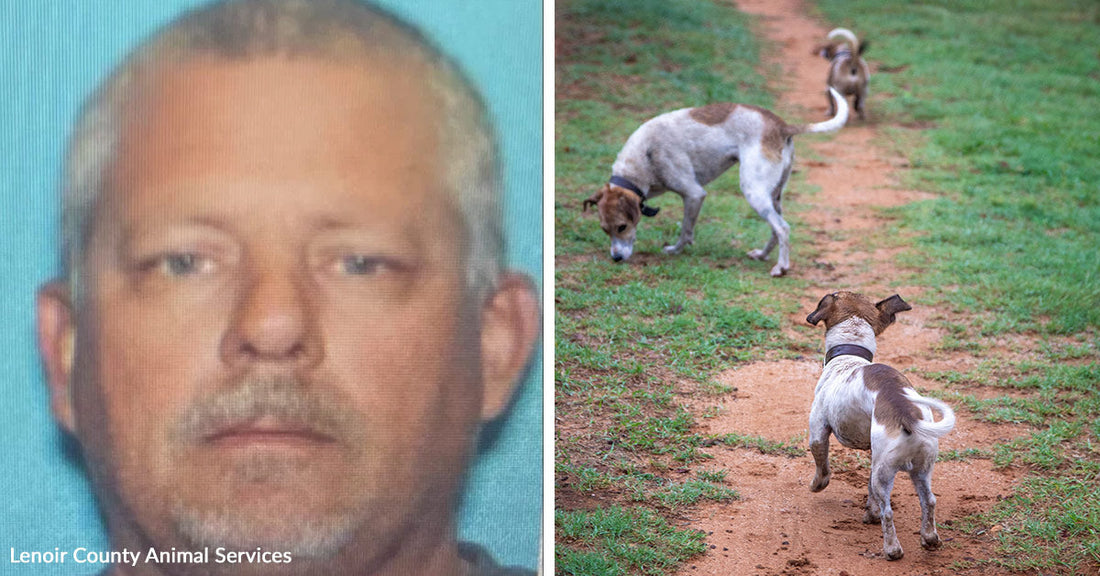
News of animal cruelty is always difficult to absorb, and the recent case out of Lenoir County, North Carolina, is no exception. According to local officials, Lenoir County Animal Control seized 20 dogs from a property in Pink Hill after discovering them in severely emaciated condition and living in what were described as unsanitary environments. For anyone who cares about animal welfare and responsible pet ownership, this report of animal cruelty in Lenoir County is deeply troubling and prompts serious reflection about how communities respond when vulnerable animals are in distress.

The case centers on a man identified by authorities as James Edward Phillips Jr. of Pink Hill. Officials say that what began as a welfare check by Lenoir County Animal Control escalated quickly once the condition of the animals became clear. The dogs, all described as hound-type breeds, were reportedly found in poor physical health. The combination of severe emaciation and inadequate living conditions led Animal Control to move from concern to action, and soon the situation had become a full criminal investigation.
According to Lenoir County Animal Services, Animal Control officials obtained and executed a search warrant at the property. That legal step is significant because it signals that investigators believed there was sufficient cause to look more closely at the state of the animals and the environment in which they were kept. Once the warrant was served, all 20 of the hound-type dogs were seized from the property. Removing animals from an alleged cruelty situation is a critical step, both to safeguard their immediate well-being and to preserve evidence for potential prosecution.
Authorities report that on March 6, following this investigation and the seizure of the dogs, James Edward Phillips Jr. was arrested. He was charged that day with four counts of misdemeanor animal cruelty and four counts of misdemeanor instigating cruelty to animals. While the details of each individual charge are not outlined in the report, the charging language suggests that officials believe multiple acts or conditions contributed to the animals’ suffering. The concept of “instigating cruelty to animals” typically points to actions or omissions that lead directly to an animal’s mistreatment.
This case did not end with the initial set of charges. On March 23, authorities added more counts, significantly expanding the scope of the allegations. Phillips was then charged with an additional sixteen counts of misdemeanor animal cruelty and sixteen counts of misdemeanor instigating cruelty to animals. Taken together with the earlier charges, these added counts illustrate how serious Lenoir County Animal Services and Animal Control consider the situation to be. The large number of charges also appears to reflect the number of dogs involved and the degree of suffering investigators believe occurred.
From an animal welfare perspective, the seizure of 20 dogs in poor condition underscores the ongoing challenges that local agencies face. Lenoir County Animal Control is tasked with not only enforcing animal cruelty laws but also monitoring animal welfare across a diverse community. A report like this highlights the critical role of welfare checks, search warrants, and coordinated responses when there is a suspicion that animals are being neglected or abused. It is often through these procedural steps that vulnerable animals are identified and removed from harm.
In reading about this case, one of the most striking aspects is the description of the dogs as “severely emaciated” and kept in “unsanitary environments.” While the article does not provide graphic detail, those phrases alone convey a great deal about the conditions investigators say they found. Significant weight loss in animals can signal prolonged lack of adequate nutrition, untreated medical conditions, or both. Unsanitary surroundings can add another layer of suffering, exposing animals to parasites, infections, and chronic stress. These conditions together present a picture of sustained hardship that is difficult to ignore.
This Lenoir County animal cruelty case also raises questions about early intervention and community awareness. Often, situations of neglect or cruelty develop over time. Neighbors, visitors, or passersby might notice changes such as dogs appearing thinner, unusual odors, or signs that an animal is not being properly cared for. Animal control agencies frequently encourage community members to report concerns before conditions become extreme, so that assistance or enforcement can be provided as early as possible. When reports are made and welfare checks are conducted, they can serve as a crucial line of defense for animals who cannot speak for themselves.
Officials in Lenoir County have clearly indicated that community assistance remains important as their work continues. They have encouraged anyone with information related to this case to reach out to Lenoir County Animal Control. That outreach request shows that, in addition to the evidence gathered through the search warrant and seizure of the dogs, investigators may still be working to piece together the full timeline of what happened, how long the dogs were in these conditions, and whether there were earlier signs that might help explain the situation. Community members who come forward with observations or knowledge can help ensure that the facts are as complete as possible.
Cases like this often bring up strong emotions, including anger, sadness, and frustration. At the same time, they highlight the role of legal processes and the importance of due process for those who are accused. The charges reported in this case are misdemeanors, and they represent allegations, not final determinations of guilt. Courts will ultimately evaluate the evidence presented by Lenoir County Animal Services and law enforcement. For the dogs who have already been seized, however, the immediate priority is their recovery and care. While the article does not describe their current condition beyond the initial discovery, removal from an unsafe environment is the first step toward rehabilitation.
Beyond the legal and investigative angles, this story reinforces the broader message that responsible animal care is a community value. Proper nutrition, clean living conditions, and access to veterinary care are not optional extras for companion animals, they are basic requirements. When those standards are not met, and animals are instead left in situations that result in severe emaciation or unsanitary environments, intervention becomes necessary. For those who read about this Lenoir County animal cruelty investigation and feel moved to help, possible responses might include supporting local shelters, volunteering with animal services, or simply remaining attentive to the welfare of animals in their neighborhoods.
The Lenoir County case is one of many reminders that vigilance and compassion matter. Animal control officers, veterinarians, rescue groups, and concerned residents all contribute to the safety net that protects animals from harm. I found this detail striking: a single welfare check, when taken seriously and followed through with a search warrant and coordinated action, led to the rescue of 20 dogs whose suffering might otherwise have continued unnoticed. As the legal process unfolds, the hope is that these animals receive the care they need and that the community continues to support efforts to prevent similar situations in the future. Read more at https://wcti12.com