
Firefighters Force Their Way Into a Burning Home and Find a Dog Still Inside
Guest Contributor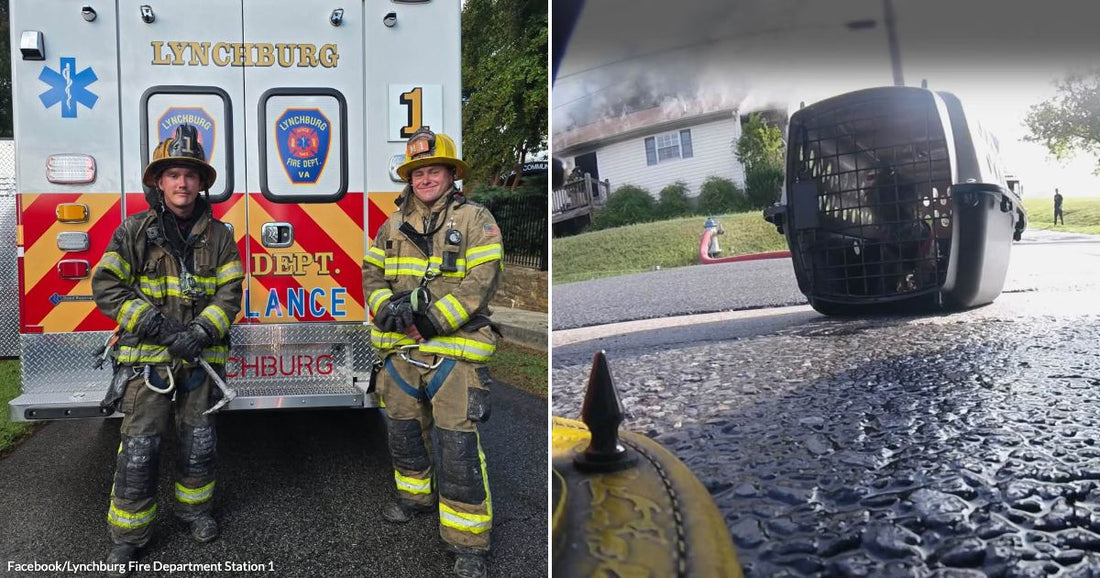
On a quiet Sunday morning in Lynchburg, Virginia, a routine day turned into a scene of urgency and coordinated response. According to the Lynchburg Fire Department, a house fire on the 800 block of Second Street led to four people being transported to the hospital and a dog being rescued from the home. This Lynchburg house fire, reported around 9:17 a.m. on September 13, became a test of both emergency readiness and community resilience, and it underscores how quickly an ordinary morning can shift into a fight for safety.
Fire crews were dispatched after reports of a home on fire in a residential area. When firefighters arrived, they found a single story house with visible flames on the side of the structure. The sight of fire already showing on the exterior suggested that the blaze had gained a foothold before crews could reach the scene. Their immediate task was twofold: confront the fire itself and search the home for anyone who might still be inside.

Firefighters forced their way into the house to begin interior operations. The department reported that crews entered with the goal of knocking down the fire while also performing a primary search. This dual focus is standard in modern firefighting strategy. Fire suppression aims to reduce heat and flame, while a primary search is a rapid sweep intended to find and remove occupants as quickly as possible. The priority is to balance aggressive firefighting with life safety, particularly when there are indications that people or animals may be trapped.
In this case, first responders reported that four individuals were transported to the hospital for evaluation. The article does not detail the extent of their injuries or conditions, and it would not be appropriate to speculate. What is clear is that medical assessment was deemed necessary, which reflects the seriousness with which emergency teams treat exposure to smoke, heat, and the stress of an incident like this. Smoke inhalation can be dangerous even when burns or visible injuries are not immediately apparent, so monitoring victims after a residential fire is a critical step.

Facebook/Lynchburg Fire Department Station 1
Along with the four people taken to the hospital, a dog was also removed from the home. Pet rescues in house fires often resonate strongly with communities, because animals are frequently considered part of the family. While the report does not elaborate on the dog’s condition, the simple fact that first responders were able to remove the animal from the home is a small but meaningful point of relief in an otherwise difficult incident. In many fire responses, crews carry specialized equipment not only for people but also for pets, recognizing that lives in a home extend beyond human occupants.
The fire itself was not a quick event. According to the Lynchburg Fire Department, it took approximately three hours to fully extinguish the blaze. That timeframe suggests a persistent and challenging fire, and it highlights why an incident like this can have long lasting effects on both the occupants and the neighborhood. A prolonged operation can involve rotating crews, extended hose lines, ventilation work, and careful monitoring to ensure that hot spots do not reignite. For nearby residents, such a response is a stark, visible reminder of how disruptive and destructive a house fire can be.

Facebook/Lynchburg Fire Department Station 1
The description of the scene provided by first responders paints a picture of coordinated, methodical work. Fire was reported on the side of the single story structure as crews arrived, and their actions included forced entry and primary search operations. Each of these steps forms part of a familiar pattern in emergency response, yet no two incidents are truly the same. Even a small change in conditions, from building layout to weather, can alter the way a fire behaves and the options available to firefighters on the ground.
It is worth reflecting briefly on how residential fires like this one in Lynchburg underscore the importance of basic safety measures. While the original report does not mention the cause of the fire or the presence of smoke alarms, fire departments across the country consistently emphasize working smoke detectors, clear exit paths, and practiced escape plans. These are not abstract recommendations. In a house fire, seconds matter, and early detection can make the difference between a close call and a tragedy. When a story involves multiple people taken to the hospital and a prolonged firefighting effort, it naturally draws attention to those broader lessons, even when specific details remain under investigation.

Facebook/Lynchburg Fire Department Station 1
Some readers may find it striking that an incident confined to a single story home could require a three hour effort to fully extinguish. In reality, structure fires often involve more than the initial flames seen from the outside. Fire can extend into attics, crawl spaces, and wall cavities, making it difficult to ensure every ember is out. Firefighters typically conduct extensive overhaul after the main flames are suppressed. They pull down ceilings or interior walls if needed, remove smoldering materials, and carefully check for hidden hot spots using tools and experience. These extra steps can prevent a dangerous rekindle and are part of the reason why a fire response may last far longer than the visible flames.
The Lynchburg community may also take note of the human side of this event. Four individuals needed hospital evaluation, and a family pet was pulled from the home. Behind those simple facts are lives temporarily uprooted, a home that will likely require significant repair or rebuilding, and neighbors who witnessed an emergency unfold on their street. Even without dramatic details, such stories remind people that emergencies do not only happen in distant places. They happen on familiar blocks and ordinary mornings, involving everyday homes that look much like their own.
At the same time, the account from the Lynchburg Fire Department reflects professional preparedness and dedication. Crews responded quickly, entered a burning structure, searched for occupants, and worked for hours to bring the incident under control. The successful removal of both people and a dog from the home demonstrates the impact of training and teamwork during a crisis. For many residents, seeing that level of response firsthand can reinforce trust in local fire and emergency services.
The Lynchburg house fire on Second Street will likely be remembered most by those directly affected, yet it also serves as a broader reminder of why fire safety and strong emergency services matter. A single call on a Sunday morning put firefighters, medical teams, and a neighborhood to the test. Four people received needed care at a hospital, a dog was brought out of a dangerous environment, and the fire was ultimately extinguished after a sustained effort. As the community absorbs what happened and the occupants begin the process of recovery, the incident stands as a real example of how preparation, swift action, and coordinated response can preserve lives when the unexpected strikes.