
💜 Thanksgiving Food Drive for Shelter Pets Help Us Feed 1 Million Shelter Pets!
Olivia Munn Takes Her Breast Cancer Story to Capitol Hill to Help Women Learn Their Risk Sooner
Guest Contributor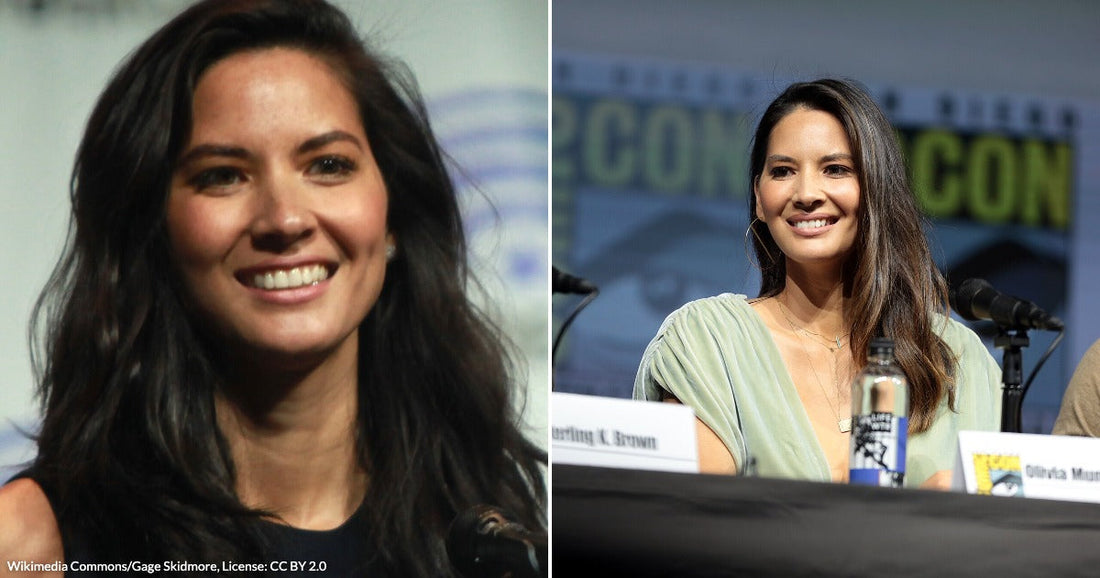
When a public figure speaks openly about a health crisis, it has the power to shift awareness from abstract statistics to real lives. That is what is happening as Sen. Mark Kelly and actress Olivia Munn step forward together to champion new legislation focused on breast cancer risk assessments. Their proposal aims to make breast cancer risk assessment tools a routine part of health care, closing the gap between existing medical knowledge and what actually happens in exam rooms across the country.
At the heart of this effort is a simple idea with potentially far-reaching impact. Kelly explained that widely available tools already exist to help evaluate an individual woman’s risk of breast cancer, yet they are not consistently used by doctors. As a result, many women never learn that such assessments are an option. The proposed bill seeks to change that by encouraging the use of these tools as a standard piece of preventive care, not an optional extra.

Wikimedia Commons/Gage Skidmore, License: CC BY-SA 2.0
Olivia Munn’s breast cancer story illustrates why risk-based screening can be so important. Diagnosed in 2023, she has spoken publicly about how an assessment prompted her physician to look more closely, even when typical screening and genetic tests did not raise alarms. Her mammogram was normal and her genetic testing was negative, circumstances that might have reassured many patients and clinicians that no further action was needed. Instead, the additional risk evaluation suggested that more testing was warranted.
That extra step made a critical difference. Further testing revealed an aggressive form of breast cancer at an early stage, when treatment options are generally broader and outcomes are often better. Munn has been clear that, in her view, this assessment changed the trajectory of her care. She has said that without it, her cancer might not have been identified when it was, which could have delayed diagnosis until the disease was more advanced.
Her experience also highlights a common misconception. Many people assume that a normal mammogram offers complete reassurance, or that a negative genetic result means they are at low risk. In reality, screening and genetics are powerful tools, but they are not the whole picture. A formal breast cancer risk assessment can incorporate multiple factors to produce a more nuanced understanding of a person’s overall risk profile. I found this detail striking because it underscores how even standard tests can leave important questions unanswered if they are not paired with a broader evaluation.

Wikimedia Commons/Gage Skidmore, License: CC BY 2.0
Kelly, a senator from Arizona, emphasized that this is not a call to reinvent the health care system. Instead, the proposal focuses on making better use of what already exists. He pointed out that these assessment tools are available, yet many clinicians are not incorporating them into standard practice and many patients are unaware of their existence. The legislation is designed to encourage routine use so that more women can benefit from targeted screening and follow up.
Munn captured that idea succinctly when she said that some of the most consequential changes do not require rebuilding everything from the ground up. Her message suggests that meaningful progress can come from integrating simple, evidence-based steps into everyday care. In this case, that means treating breast cancer risk assessment as a standard conversation rather than a special request.
The importance of early breast cancer detection is well documented, and the statistics highlight what is at stake. According to the National Cancer Institute, the five year relative survival rate for localized breast cancer is more than 99 percent. In other words, when the disease is caught before it has spread beyond the breast, the odds of long term survival are extremely high compared with more advanced stages. This figure is a powerful reminder of how much difference timing can make.
That survival rate also illustrates why lawmakers and advocates continue to focus on early diagnosis. If risk assessments can help identify which women need more intensive screening or closer monitoring, they may play a key role in catching cancers when they are still localized. Munn’s story is one example of how such tools can prompt a deeper look even when standard tests look reassuring. The proposed breast cancer legislation seeks to make this kind of proactive approach more common rather than the exception.
There is also a human dimension to this policy effort. Kelly noted that he and his wife, Gabby, have been friends with Munn for more than a decade. He publicly praised her for channeling a difficult and deeply personal experience into an effort to help other women. That combination of personal connection and public responsibility helps explain why this issue resonates so strongly for those involved. It shows how individual stories can inspire broader changes that reach far beyond a single diagnosis.
For women and families, the message emerging from this announcement is both practical and hopeful. Practical, because it encourages a specific action point to discuss with health care providers. Hopeful, because it underscores that early detection, paired with thoughtful use of available tools, can dramatically influence outcomes. Risk assessments are not a guarantee that every cancer will be found early, but they are an important step in tailoring screening to the individual rather than relying on a one size fits all approach.
The mood surrounding this legislative push is serious yet forward looking. It acknowledges the fear and uncertainty that accompany a cancer diagnosis, while also pointing to concrete steps that may reduce those fears for others in the future. When risk assessments are incorporated into routine care, more women may have the opportunity to ask informed questions, pursue additional testing when appropriate, and better understand what their personal risk really looks like.
As discussions about health policy continue, stories like Munn’s help ground the debate in lived experience. They serve as a reminder that behind every statistic is a person, a family, and often a turning point in someone’s life. This proposed bill reflects an attempt to learn from those experiences and to embed those lessons into the structure of everyday medical practice. By supporting the routine use of breast cancer risk assessments, it aims to ensure that the tools already within reach are actually used to their full potential.