
Dozens Of Malnourished Animals Found After Deputies Respond To A Vehicle Fire
Guest Contributor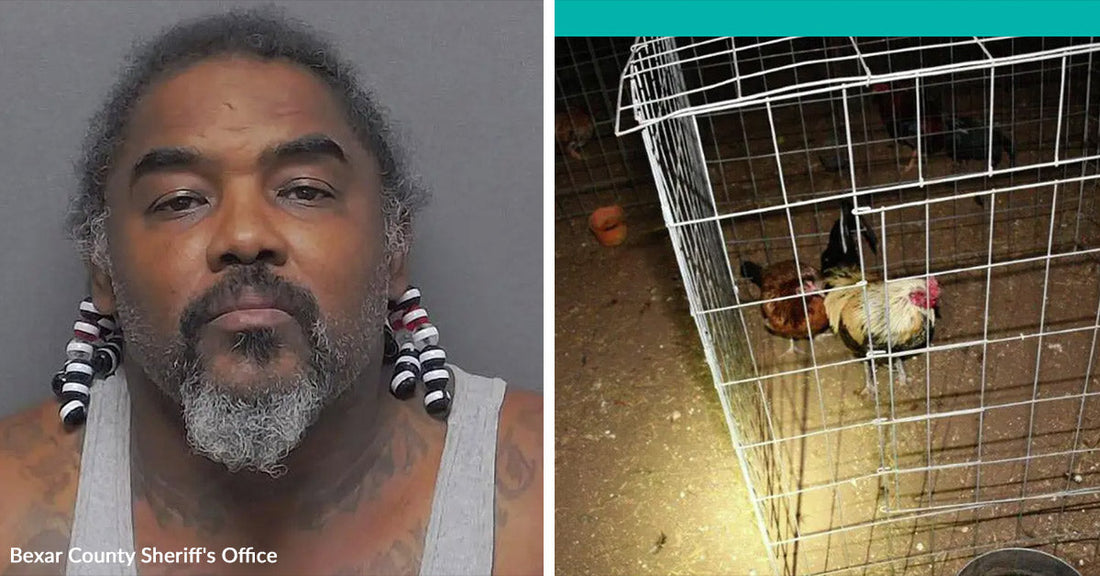
News of malnourished animals being discovered in East Bexar County after a fire carries a heavy emotional weight. The situation described in the original report points to a stark reality: when disasters strike, the most vulnerable often suffer quietly in the background. Stories about neglected or malnourished animals in San Antonio and the surrounding county remind readers that animal welfare is an ongoing responsibility, not just a concern in moments of crisis. This particular case, centered on animals found in poor condition after a fire, underscores how easily suffering can go unnoticed until a dramatic event forces it into view.
The article that inspires this reflection is written by journalist Jacob Beltran, who covers crime, breaking news and general assignments for the San Antonio Express-News. His work often places him at the intersection of urgent events and the people and communities who live through them. When a fire breaks out and authorities respond, they do not always expect to uncover a separate, quieter crisis involving neglected animals. Yet that is exactly the kind of situation Beltran reports on, helping shine light on conditions that might otherwise remain hidden.

Although the details of this particular case are focused on East Bexar County, the core issues reach far beyond a single neighborhood. Malnourished animals found after a fire can signal broader problems, including a lack of resources, limited access to veterinary care, or neglect that has gone unchecked. When first responders enter a damaged property and discover animals that are underfed or clearly struggling, the story becomes about more than the blaze itself. It becomes a window into how those animals were living long before the emergency vehicles arrived.
Beltran’s background helps explain how he approaches such difficult stories. A San Antonio native, he began his journalism career in 2010 and has stayed closely connected to the region through his reporting. He worked for The Ranger, the student-run newspaper at San Antonio College, and later for The Mesquite at Texas A&M University San Antonio. That path reflects deep roots in local storytelling and a commitment to documenting the everyday realities of his community. When he covers a fire where neglected animals are discovered, he brings that local insight to the narrative, giving readers a clearer understanding of the context that surrounds the event.
In reporting on malnourished animals, a journalist often has to navigate a delicate emotional balance. On one hand, there is a need to describe conditions accurately so the public can understand the severity of neglect. On the other, there is an obligation to avoid sensationalism, especially when living beings are involved. By positioning the story within broader patterns of crime, public safety and welfare, a reporter can help audiences grasp that these are not isolated tragedies but part of larger systemic challenges.
I found this detail about Beltran’s career path striking because it shows how local newsrooms build trust. When a writer has spent years covering San Antonio, including its colleges and neighborhoods, readers are more likely to turn to that journalist for context when unsettling stories arise. Whether the topic is a fire, a crime scene or the discovery of malnourished animals, a familiar local voice can help bridge the gap between raw facts and thoughtful understanding.
Cases like those involving neglected or underfed animals in East Bexar County also highlight how intertwined human and animal wellbeing can be. When animals are left without proper food, shelter or medical attention, it may point to financial hardship, a lack of knowledge about responsible care, or in some situations intentional cruelty. The role of a reporter in such circumstances is not to pass judgment, but to describe what authorities find and how agencies respond. That includes explaining whether local animal services step in, how investigations are handled and what resources may be offered to prevent similar situations in the future.
Stories of malnourished animals discovered after emergencies can also prompt important community conversations. Readers may begin to ask what support networks exist in their own neighborhoods. Are there local shelters that can help pet owners who are overwhelmed or struggling? Are there community organizations that provide low-cost food or veterinary care? While the original article focuses on the specific incident in East Bexar County, it indirectly encourages a broader look at how people can respond when they suspect animals are at risk, including contacting local authorities or animal welfare groups rather than ignoring signs of trouble.
Beltran’s personal interests, including video games, photography and exploring during his free time, may seem far removed from the difficult images that accompany neglect cases. Yet they can inform how he tells stories. A photographer’s eye can help capture small but meaningful details at a scene, while a curiosity about exploring his own city might lead him to notice patterns across different neighborhoods and incidents. These skills support the type of careful reporting required when documenting sensitive topics such as animal neglect, crime and public safety.
Local journalists play an essential role in ensuring these stories are not lost amid the constant flow of national headlines. Reports about fires, neglected animals and other urgent incidents connect directly to the daily lives of San Antonio residents. By highlighting what is happening in East Bexar County, Beltran and his colleagues give their audience information that can spur empathy, accountability and sometimes action. Readers who understand the reality of animal neglect are better equipped to support humane policies, volunteer at shelters or simply keep a more watchful, compassionate eye on the animals in their own communities.
Ultimately, the discovery of malnourished animals after a fire is a painful reminder that crises often reveal what has been hidden. Through consistent reporting on crime, emergencies and general assignments, journalists like Jacob Beltran help ensure that these moments are documented and not quietly forgotten. That visibility can be the first step toward change, whether in the form of better support services, more informed neighbors or a stronger local commitment to animal welfare. Read more at https://www.expressnews.com