
🚨Urgent: Rush Aid to People & Pets in Nepal's Devastating Floods! Help Now!
Family Realizes the Breathing Rock in Their Yard Is a Dying Raccoon
Guest Contributor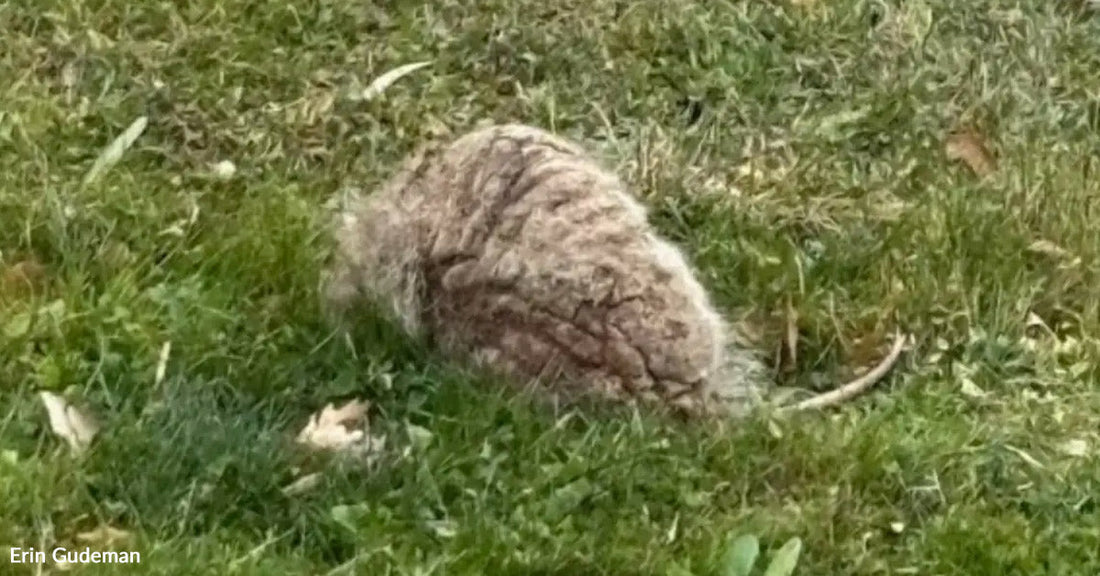
When a Michigan family returned home from a day at Detroit’s Outdoor Adventure Center, they were met with a sight that seemed more puzzling than alarming at first. Something unusual lay in the middle of their front yard — a strange, unmoving shape that looked oddly like a “breathing rock.” That’s how Erin Gudeman described it, according to a report from The Dodo. But as the family watched from their window, the mystery deepened. The object slowly lifted its head. It wasn’t a rock at all — it was a raccoon, and she was in serious trouble.

The encounter unfolded in Farmington Hills, Michigan, where Gudeman and her family noticed the animal limping through their yard before settling behind an inflatable Christmas dinosaur near the porch. The raccoon appeared disheveled and weak, and something about her behavior suggested she wasn’t simply passing through. “That was the moment we knew this wasn’t just an odd sight in the yard,” Gudeman said. “This was an animal in trouble.”
As temperatures dropped and a snowstorm loomed, Gudeman acted quickly. She reached out to a friend for advice and posted a plea for help in a Michigan wildlife Facebook group, expressing concern about the raccoon’s chances of surviving the night with over a foot of snow expected. Her post caught the attention of Theresa Carroll, who runs Halfway Home Wildlife Rehab, a local rescue organization that happened to have space available.
Within 20 minutes, a volunteer arrived at Gudeman’s home to transport the struggling raccoon to safety. At the rehab center, Carroll quickly diagnosed the animal with sarcoptic mange, a parasitic skin disease caused by mites. This condition had stripped the raccoon of her fur and left her skin raw and irritated. Carroll also noted issues with the raccoon’s left eye and paw, which compounded the animal’s vulnerability. “Odds are stacked against them even more so,” Carroll said, referring to the raccoon’s small size and deteriorating condition.
Sarcoptic mange can be devastating for wildlife, especially in harsh winter conditions. Without her fur, the raccoon’s body had little defense against the cold. Carroll compared the experience to “being naked and someone giving you a concrete blanket to stay warm.” I found this detail striking — it captures just how dire the situation was for the animal, who likely wouldn’t have survived the night without intervention.
The first step in the raccoon’s recovery was rehydration. Mange causes extreme dehydration, so Carroll began with fluids and then introduced a high-carbohydrate diet to help the raccoon retain moisture and build strength. Though her paw appeared injured, Carroll opted not to use a cast or bandage, since raccoons often remove such treatments themselves. Instead, she is monitoring the injury closely while focusing on overall recovery.
Despite her condition, the raccoon has shown a surprising amount of spirit. Described as “spicy” by Carroll, the small animal has proven to be a challenge when it comes to medication. Even when pills are hidden in bananas, she manages to detect and avoid them. “She's like, ‘Yeah, no, I don't want that. You can't trick me,’” Carroll said with a laugh.
Recovery from mange is a slow process. The raccoon will spend approximately three months at Halfway Home Wildlife Rehab while her skin heals and her fur regrows. In that time, she’ll continue receiving supportive care, nutritious food, and a safe environment — all thanks to a community that acted swiftly and compassionately.
Gudeman expressed gratitude for the rapid response and collective effort that saved the raccoon’s life. “Watching so many people come together so quickly for a vulnerable animal was nothing short of inspiring,” she said. It’s a reminder that even small acts of concern — a social media post, a phone call, a moment of observation — can lead to meaningful outcomes when people are willing to help.
For those interested in supporting the ongoing work at Halfway Home Wildlife Rehab, the organization has a wish list available for donations. Every contribution helps animals like this raccoon get a second chance at life, especially during the coldest and most dangerous months of the year.