
Be A Hero & Support Those Who Served This Veterans Day Give Today!
Scientists Discover Why Mosquitoes Prefer Some People Over Others
Guest Contributor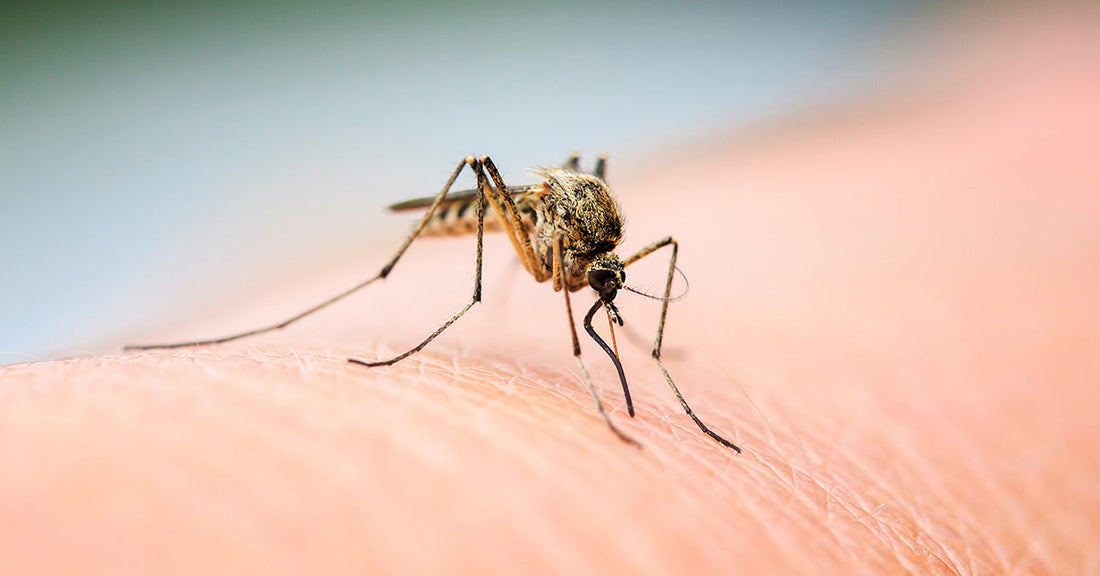
Some people swear they are mosquito magnets, while others seem to escape summer evenings practically untouched. A new study on mosquito attraction suggests that the truth is more complicated and far more interesting than the usual myths about sweet blood or a particular perfume. Researchers at Florida International University (FIU) have uncovered that different mosquito species are attracted to different combinations of human skin odors, chemicals, and bacteria. In other words, whether mosquitoes love you or leave you alone depends not only on you, but also on the species doing the biting.
This work, published in the journal iScience, directly explored how three of the world’s most important disease-carrying mosquito species responded to the same group of people. The team tested 119 human volunteers and found that not a single person attracted all three species. Instead, each mosquito species locked onto its own preferred subset of individuals, guided by a unique blend of human scent and skin microbiome. For anyone who has wondered why they are covered in bites while a friend nearby remains untouched, this research offers a compelling and scientifically grounded explanation.
The study focused on three major mosquito species that are key players in mosquito-borne diseases worldwide: Aedes aegypti, Aedes albopictus, and Culex quinquefasciatus. These insects are known vectors for illnesses such as yellow fever, dengue, Zika, West Nile, and several other infections that pose serious public health risks. By observing how each species responded to the same group of volunteers, the researchers could identify patterns in preference that were not visible when looking at a single species in isolation.

The investigation, led by Ph.D. student Kaylee Marrero, was the first to directly compare multiple mosquito species side by side using identical human participants. This design made the findings particularly striking. Marrero and colleagues initially did not expect such clearly different preferences. The team anticipated that the same “mosquito-magnet” individuals might attract all three species. Instead, they observed that each species was guided by its own chemical and microbial cues. Marrero later noted that seeing each species gravitate toward a distinct microbial signature on human skin was a genuine surprise.
A closer look at the data helped reveal how specific and nuanced those preferences were. Aedes aegypti, a species known to bite primarily during the day, tended to favor people who were not wearing added fragrances and whose skin showed lower levels of some volatile chemical compounds. This species also displayed a slight preference for men over women. The details suggest that what we put on our skin and how our bodies naturally produce scent may subtly shift our appeal to these mosquitoes.
Aedes albopictus, often called the Asian tiger mosquito and also active in daylight, responded to a very different chemical profile. It was especially drawn to individuals whose skin emitted higher levels of ketones and naturally occurring plant-like volatile compounds. That contrast with Aedes aegypti indicates that there is no single universal “attractive” or “repellent” scent across mosquito species. What lures one mosquito might be far less interesting to another.
The third species, Culex quinquefasciatus, is commonly known as the southern house mosquito and usually feeds after dark. Unlike the first two, this species appeared particularly sensitive to the overall composition of the skin microbiome. Humans carry communities of bacteria, fungi, and other microorganisms on the skin, and these tiny residents play a large role in how we smell. The researchers found that certain bacterial families were linked to increased attractiveness to Culex quinquefasciatus, while other microbial communities seemed to make people less appealing.
At the heart of this work is the complexity of human body odor. Our skin can release more than 1,000 different volatile organic compounds. Many of these chemicals are only partially understood, and scientists are still learning how they vary between individuals and across time. In this study, the FIU team carefully collected samples of both body odor and skin microbiomes from the volunteers, then analyzed which compounds and microorganisms were present and in what amounts. By comparing that detailed chemical and microbial information with the mosquitoes’ choices, the researchers were able to connect certain odor profiles and microbial patterns with attraction or avoidance.
The results did more than simply map out who was bitten most. They showed that there is no single, universal “mosquito magnet” profile. Instead, each species appears to have evolved its own way of decoding human scent. Matthew DeGennaro, the neurogeneticist who led the research team and directs the Biomolecular Sciences Institute at FIU, emphasized how strongly the mosquitoes’ preferences aligned with differences in skin bacteria and odors. He observed that the findings support the view that a person’s skin microbiome helps define their individual odor signature, and that each mosquito species follows its own strategy to interpret that chemical signature.

This insight carries important implications for mosquito control and public health. Understanding why Aedes aegypti might flock to one person while Culex quinquefasciatus prefers another goes beyond curiosity about who gets more bites at a backyard gathering. These species transmit different diseases and often dominate in different regions or environments. Pinpointing the specific compounds and microbial communities that attract each type of mosquito could set the stage for more precise, species-specific mosquito repellents and control strategies.
Today, most mosquito repellents are designed with a broad, general approach in mind, attempting to deter many species at once. The FIU findings suggest another path. If researchers can isolate the particular chemicals that attract Aedes aegypti, for example, they might develop repellents that are highly effective against that species without relying on one-size-fits-all solutions. The same logic applies to Aedes albopictus and Culex quinquefasciatus. Tailored measures could become especially valuable in areas where one disease vector poses a greater threat than others and where targeted mosquito control could reduce local risk.
Beyond repellents, this line of research can help refine broader public health strategies. Communities could prioritize the mosquito species that actually circulate in their area and craft interventions that align with that species’ sensory preferences and behavior patterns. The study’s findings challenge the commonly held assumption that all mosquitoes are drawn to the same individuals for the same reasons. Instead, it paints a more nuanced picture where our personal chemistry interacts with mosquito biology in species-specific ways.
For individuals, the study does not immediately translate into simple steps for making oneself less attractive to every mosquito species. The roles of ketones, plant-like volatiles, added fragrances, and particular bacterial families are complex and not yet ready for personal “odor hacking.” However, the research adds an important layer of understanding to everyday observations. When two people stand side by side and one ends up with far more bites, the explanation may lie in an intricate mix of volatile compounds and microbial patterns that certain mosquitoes are highly attuned to detect.
As scientists continue to explore the relationship between human skin microbiomes, body odor chemistry, and mosquito behavior, the hope is that these discoveries will open doors to next-generation tools for fighting mosquito-borne diseases. This study offers a clear reminder that both humans and mosquitoes exist within a detailed chemical conversation that most of us never notice. Learning how different species “listen” to that conversation may ultimately help protect communities from some of the world’s most persistent and dangerous pathogens. Read more at https://www.sciencedaily.com/releases/2026/11/261106174541.htm