
No One Should Have to Choose Safety or Their Pet Help Build a Safe Place !
Stopping Mounjaro Can Let Blood Sugar Rise as the Medicine’s Effects Wear Off
Guest Contributor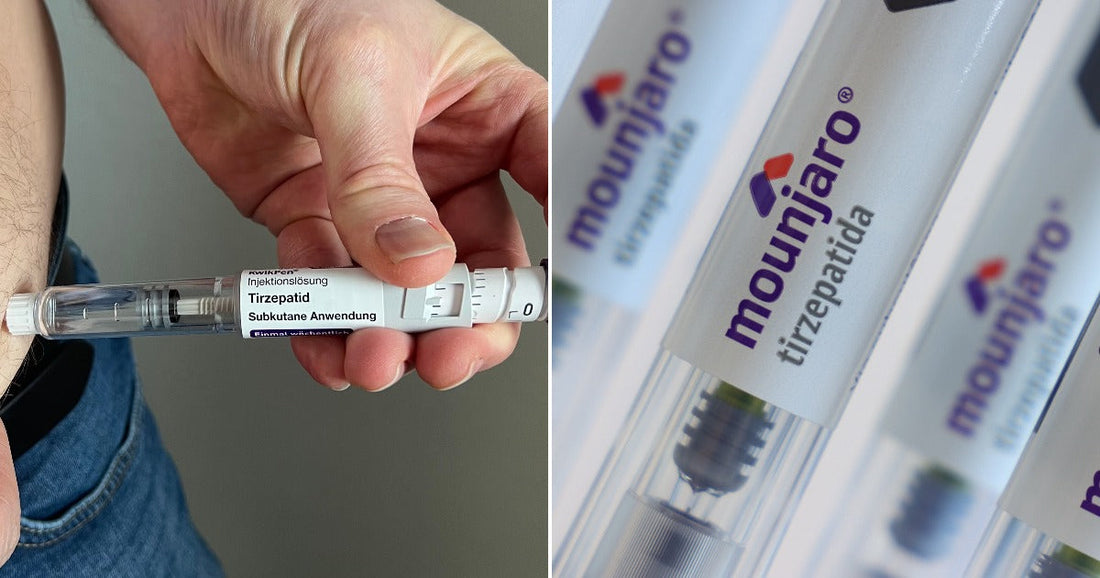
Mounjaro has quickly become a familiar name in conversations about type 2 diabetes treatment and blood sugar management. As more people start and stop this prescription injection, an important question comes up: can Mounjaro cause withdrawal symptoms when it is discontinued? The available information suggests that while Mounjaro does not act like a traditional addictive drug, some people can experience a collection of rebound effects when they stop it, particularly involving digestion, mood, and blood sugar levels. Understanding these possible changes can help people prepare, work closely with their healthcare team, and navigate the transition more comfortably.
Mounjaro is a dual glucose-dependent insulinotropic polypeptide (GIP) and glucagon-like peptide-1 (GLP-1) receptor agonist. In simpler terms, it mimics natural hormones in the body that help regulate blood sugar and influence how quickly food moves through the digestive tract. By activating specific receptors, Mounjaro can lower fasting and after-meal blood sugar levels. It also slows the movement of food through the stomach and intestines, which often helps people feel full for longer. When the medication is stopped, those effects gradually fade and the body shifts back toward its prior patterns.

That transition period is where rebound symptoms can appear. Reports describe a range of physical changes that some people notice after discontinuing Mounjaro. Nausea, dizziness, headache, fatigue, diarrhea, constipation, and muscle aches are among the physical symptoms mentioned. One factor behind these effects is the medication’s impact on digestion. While someone is actively taking Mounjaro, food tends to move more slowly through the digestive system. Once the injections stop, the digestive tract can temporarily become more active or uncoordinated as it returns to its usual speed. That shift can contribute to gastrointestinal discomfort until the body fully adjusts.
In addition to digestive and physical changes, some people report mental health symptoms when they stop Mounjaro. Rapid mood changes, irritability, anxiety, or feelings of depression can emerge during this period. These emotional changes appear to be tied in part to shifting blood sugar levels. When a medication that has been helping to keep glucose in a steadier range is removed, blood sugar may fluctuate more than before. For some, that instability can influence mood, energy, and overall sense of well-being.

Changes in blood sugar control are a central issue when discontinuing Mounjaro for type 2 diabetes. While taking the injection, many people experience better fasting and post-meal glucose readings. Once the medication is stopped, blood sugar often begins to rise again unless another treatment is in place. That increase is not typically a “withdrawal” symptom in the traditional sense, but rather a return to the underlying condition that the medication was helping to manage. Still, to the person living with diabetes, it can feel like a sudden and concerning rebound.
For all of these reasons, experts strongly advise against stopping Mounjaro on one’s own. The guidance in the source material is clear: never discontinue Mounjaro without input from a healthcare professional. A doctor can look at the individual’s overall health, current blood sugar control, and other medications, then build a plan that reduces the risk of uncomfortable or unsafe rebound effects. That plan might include gradually tapering the dose rather than stopping all at once, which can help the body adjust more gently.

Tapering can be particularly helpful for people who are sensitive to changes in digestion or mood. By reducing the dose step by step, the effects on the GIP and GLP-1 receptors ease down over time instead of dropping suddenly. In turn, the digestive tract, blood sugar patterns, and emotional state may have more opportunity to adapt. Although details about specific tapering schedules are not provided in the source, the emphasis is on close coordination with a healthcare team rather than attempting to design a plan alone.
In many cases, a doctor will also recommend starting another medication for blood sugar management as Mounjaro is being phased out. That new treatment might serve as a bridge to keep glucose levels from rising sharply. The exact choice of alternative medication depends on the person’s medical history, current numbers, preferences, and any other conditions they may have. The key idea is continuity of care. Replacing one therapy with another under medical supervision helps reduce the risk of uncontrolled blood sugar and its potential complications.
Beyond prescription changes, there are practical steps that can support the body during this transition. The source highlights several everyday strategies that healthcare professionals or pharmacists might suggest. Staying hydrated can help counter headaches, fatigue, and some digestive issues. Over-the-counter pain relievers, when appropriate and used as directed, may ease discomfort such as mild headaches or muscle aches. Gentle physical activity can support mood, digestion, and blood sugar regulation. For some, even short walks, stretching, or light movement throughout the day can make a difference.
Nutrition also plays a central role. A well-balanced diet can help stabilize blood sugar and may lessen digestive complaints as the body adjusts to being off Mounjaro. That might include focusing on fiber-rich foods, consistent meal timing, and plenty of fluids. Engaging in stress-reducing activities can be particularly valuable as well, given that both blood sugar and mood can fluctuate while the medication is being discontinued. Relaxation techniques, time in nature, supportive conversations, or hobbies that promote calm may all contribute to a smoother experience.
Underlying all of this is an important caveat about information and expertise. Articles that summarize potential withdrawal or rebound symptoms can be very helpful in raising awareness and giving people language for what they may be feeling. At the same time, they are not a replacement for individualized medical advice. The source makes this point clearly, stating that while efforts are made to provide factual, comprehensive, and current information, only a licensed healthcare professional can assess whether a medication is appropriate, how long it should be used, and how it should be discontinued. Drug information can change, new warnings can emerge, and not all possible side effects or interactions can be fully captured in a single overview.
I found it striking how strongly the source material emphasizes both caution and collaboration. On one hand there is acknowledgment that stopping Mounjaro can involve uncomfortable physical and emotional changes, particularly around digestion and mood. On the other hand there is an encouraging message that with planning, medical guidance, and supportive self-care, many of these difficulties can be managed or reduced. For individuals considering a change in their diabetes treatment, that combination of realistic expectations and practical strategies can be reassuring.
The overall message is that Mounjaro interacts with complex systems in the body through GIP and GLP-1 receptors, and its effects do not simply vanish without consequences. When its action decreases, the body may need time to readjust. Anyone thinking about discontinuing Mounjaro is urged to talk with a doctor first, work out a careful tapering or transition plan, and be prepared for possible short-term rebound symptoms. With attentive monitoring, thoughtful lifestyle support, and another suitable medication in place if needed, it is possible to move off Mounjaro while still protecting both blood sugar control and overall well-being. Read more at https://www.medicalnewstoday.com/articles/drugs-mounjaro-withdrawal-symptoms