
New World Screwworm Cases Spread Across the Southwest as Officials Expand Infested Zones to Protect Animals
Guest Contributor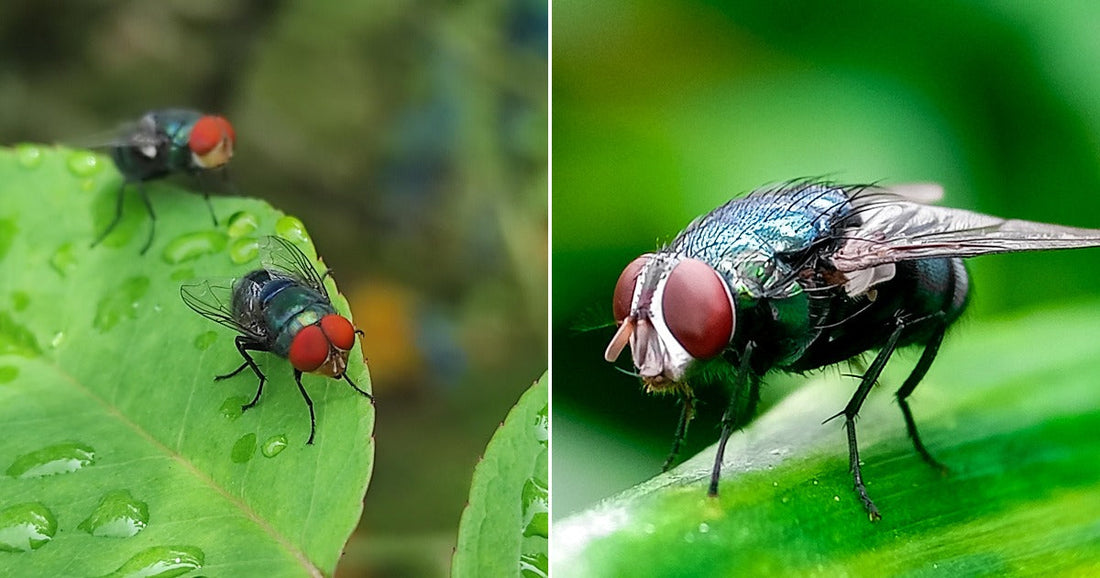
A deadly flesh-eating parasite is quietly reshaping life and work across the American Southwest. The New World screwworm, a flesh-burrowing maggot that grows into a fly about the size of a common housefly, has reappeared in the United States for the first time in decades. What began as a June detection has rapidly become a serious animal health concern, with 139 confirmed cases across three states and a sharp spike in new detections this month alone. For ranchers, shelters, veterinarians, and pet owners, the growing New World screwworm outbreak is no longer a distant worry but a daily reality.
Officials first confirmed the parasite’s arrival in June, and for a time the numbers seemed manageable. Fewer than 10 cases were recorded in August and September. That changed quickly. The U.S. Department of Agriculture reports that 53 cases have already been confirmed this month, a rapid acceleration that has prompted emergency measures across Texas, New Mexico, and Arizona. One Texas A&M University economist, David Anderson, summed up the sudden escalation by noting that authorities “got a bunch more cases all of a sudden.” The tone around the pest has shifted from concern to urgency.

The New World screwworm poses a unique threat because of the way it attacks living creatures. Contrary to its name, the screwworm itself is not a worm but the larval stage of a fly. Adults resemble ordinary houseflies, which might make them easy to overlook. The danger comes from their larvae, or maggots, which burrow into the flesh of living animals. They enter through even the smallest opening, such as a tiny wound, a tick bite, or natural body openings like the eyes or nose. The U.S. Department of Agriculture describes the way they feed as similar to a screw being driven into wood, a comparison that conveys both the methodical and devastating nature of the infestation.
That behavior makes the parasite especially dangerous for livestock. Newborn calves with exposed umbilical cords are particularly vulnerable, as are cattle that have been branded, tagged, or otherwise handled in ways that create open skin. Ranchers in affected regions are being urged to monitor animals closely for wounds and to reassess traditional practices like branding and tagging that can inadvertently create an entry point for the screwworm. The risk is not limited to cattle. The parasite can infect wildlife, pets, and even people, although no human cases have been reported so far in the current U.S. outbreak.

The geographic footprint of the outbreak is expanding. Rising infections have led state leaders to formally designate outbreak and infestation zones in parts of Texas, New Mexico, and Arizona. These zones come with strict rules about animal movement. In Texas, all or parts of 31 counties are now under restrictions, as officials monitor 77 sites with at least one confirmed screwworm case. In New Mexico, the Livestock Board broadened its tracking from individual cases to regional infestation zones as confirmations increased across the southern part of the state. Within these areas, ranchers must obtain state authorization before moving cattle, a step aimed at slowing the spread of the parasite.
Those restrictions have ripple effects far beyond ranch fences. Animal shelters and rescue groups are facing new logistical and financial hurdles as movement of dogs and cats from infested areas is curtailed. Texas rescues and shelters, for example, had to put thousands of adoptions on hold as other states tightened their intake rules for animals coming from screwworm regions. Shelters that routinely transport animals to out-of-state partners suddenly found their operations stalled. An advocate in Texas described how this has “thrown a wrench into things” for both small rescues and large shelters that depend on interstate transfers to manage overcrowding.
Neighboring states are also tightening their control measures. California, for instance, now requires that all warm-blooded animals entering from an infested zone undergo a pretravel inspection, obtain a veterinary certification, and secure an entry permit. These protocols are designed to protect California’s herds and pets from importing the screwworm, but they also add layers of complexity for anyone relocating animals out of affected regions. Monitoring the movement of pets and livestock is becoming as important as treating confirmed infestations.
Economically, the New World screwworm is hitting at a time when beef prices are already close to record highs. The parasite threatens both beef and dairy cattle, which raises concerns that the outbreak could further tighten supplies and keep prices elevated. While federal officials emphasize that screwworm infestations do not create food safety risks for meat, the potential loss of animals and the added costs of prevention, monitoring, and treatment can still affect the supply chain. Anderson of Texas A&M expects that consumers might see some relief in beef prices next year, helped in part by policy shifts, but he also cautions that a return to the very low prices of five to ten years ago is unlikely. The underlying costs of production, processing, transportation, and labor have all risen.
The international dimension of this outbreak is also shaping U.S. policy. Earlier this year, Southern ports for cattle imports from Mexico were closed because of screwworm concerns, a move that put additional strain on domestic supply. In August, federal officials began a phased reopening of those ports as they gained more confidence in control and surveillance measures. Gradually resuming cattle imports is expected to help rebuild the U.S. cattle supply chain and ease pressure on meat prices, although any improvement will take time to reach grocery store shelves.
Public health authorities are tracking the human implications as well. While there have been no human screwworm cases reported in the United States during this outbreak, the Centers for Disease Control and Prevention notes that Mexico and Central American countries have documented more than 2,850 human cases. Those figures highlight the parasite’s capacity to affect people as well as animals and underscore why states and federal agencies are working to contain its spread at the border and within domestic herds.
To fight back, the federal government is leaning on one of the most successful pest control methods in modern agriculture: the sterile insect technique. The strategy focuses on breeding sterile male flies and releasing them into areas where screwworm populations are established. Since female flies typically mate only once in their lifetime, pairing with a sterile male means they lay unfertilized eggs that never hatch. Over time, as more sterile males dominate the mating pool, the screwworm population declines and can eventually be eliminated.
That approach requires a massive and reliable supply of sterile flies. To meet that need, the U.S. Department of Agriculture is building a $750 million sterile fly facility in Southern Texas. When it opens next year, it is expected to produce up to 300 million sterile flies each week. The USDA has also invested in similar facilities in Mexico and Panama, creating a regional buffer of sterile insects designed to keep screwworm from gaining a long-term foothold. Recently, the federal government began hiring 228 people for the new Texas facility, a sign of how seriously national leaders take the threat to livestock and wildlife. One agriculture official framed the effort as a national security priority and described sterile flies as the most effective offensive tool to push the parasite away from U.S. borders.
The New World screwworm’s return is a reminder that animal health, human livelihoods, and food prices are interconnected. Surveillance zones, restricted animal movement, veterinary inspections, and large-scale sterile insect programs might sound technical, yet they directly influence the availability and cost of products as familiar as a package of ground beef or a gallon of milk. As authorities in Texas, New Mexico, Arizona, and beyond ramp up monitoring and control efforts, the hope is that fast action and coordinated responses will prevent this outbreak from becoming a long-term presence in the United States. Read more at https://www.bigcountrynewsconnection.com/new-world-screwworm-spreading-rapidly-across-southwestern-states/