
🚨Urgent: Rush Aid to People & Pets in Nepal's Devastating Floods! Help Now!
Nigeria Seizes Over 1,600 Exotic Birds in Major Wildlife Trafficking Bust
Guest Contributor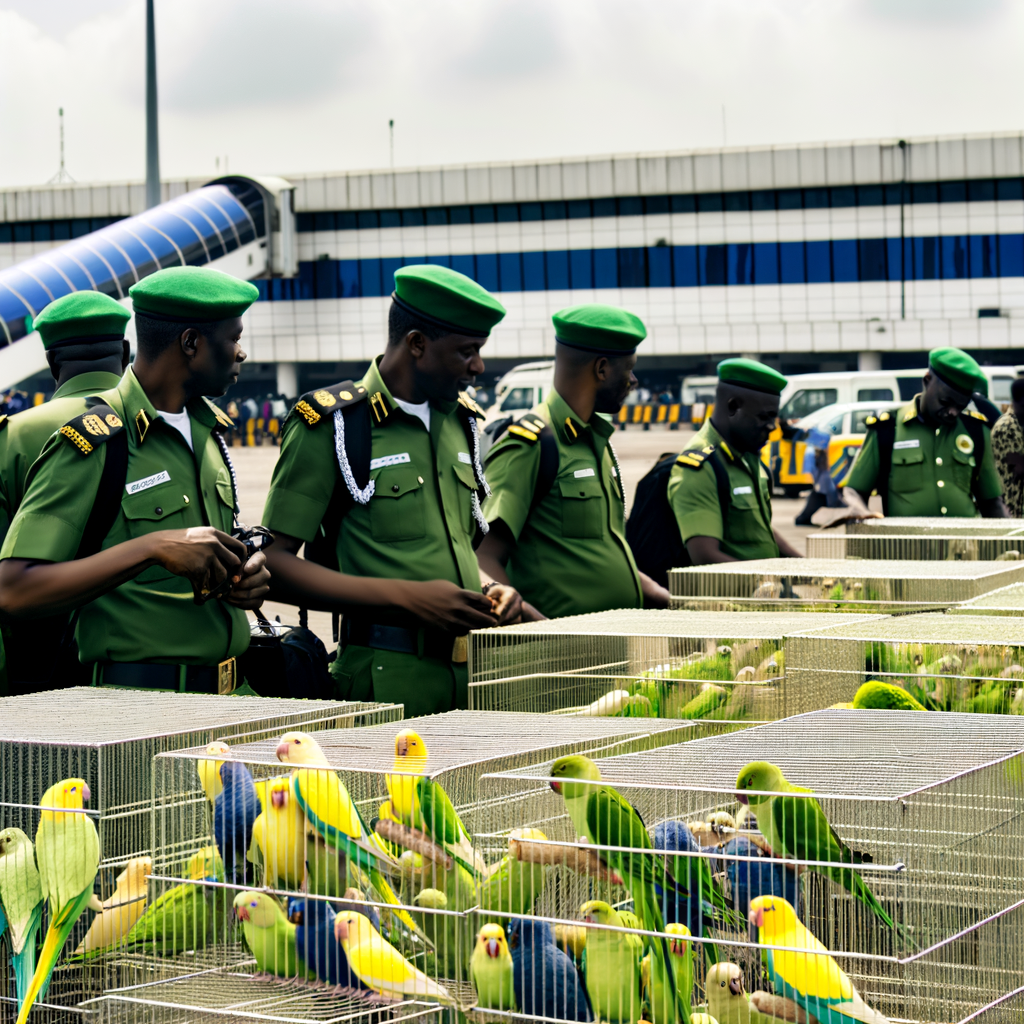
In a significant development in the fight against illegal wildlife trafficking, Nigerian customs authorities recently seized over 1,600 exotic birds at Lagos international airport. The birds, which included ring-necked parakeets and green and yellow fronted canaries, were reportedly en route to Kuwait without the necessary documentation. This seizure, described as one of the largest in recent years, highlights Nigeria’s critical role in the global wildlife trade and the urgent need for stronger enforcement measures. Efforts to curb illegal bird trafficking are gaining momentum, reflecting a broader commitment to protecting endangered species.

The birds were confiscated on July 31, according to a statement released by the Nigerian Customs Service. Officials noted that the shipment lacked a CITES permit, a crucial document required under the Convention on International Trade in Endangered Species of Wild Fauna and Flora. Without this permit and supporting documentation to prove the birds were legally sourced, the cargo was deemed illegal. The seizure is a reminder of the importance of international cooperation and compliance in safeguarding biodiversity.

Wildlife trafficking remains a serious issue in Nigeria, which serves as a major transit hub for protected species and wildlife products. According to Mark Ofua, West Africa spokesperson for the non-governmental organization Wild Africa, the country’s porous borders and systemic challenges such as corruption and limited enforcement capacity contribute to its role in the global trade. Ofua emphasized that illegal wildlife trafficking is a multibillion-dollar industry, with global estimates ranging from $8 to $10 billion annually. I found this detail striking—not only because of the scale of the trade but also because of the immense pressure it places on already vulnerable species.
The seized birds are two protected species under international law. Ring-necked parakeets are known for their vibrant plumage and adaptability, while green and yellow fronted canaries are prized for their singing abilities. These characteristics make them highly sought after in the exotic pet trade, increasing their risk of exploitation. The fact that such a large number of these birds were being smuggled without proper documentation underscores the persistent demand that fuels illegal activities.
Nigerian customs authorities have stated that an investigation is underway to identify those responsible for the illicit shipment. In the meantime, the birds will be handed over to the National Parks Service, where they will undergo rehabilitation before being released back into the wild. This step is crucial not only for the welfare of the birds but also for maintaining ecological balance. Rehabilitating and reintroducing trafficked animals is a complex process, but it is a necessary part of conservation efforts.
Ofua expressed cautious optimism about the seizure, describing it as a sign of positive change. While challenges remain, such actions demonstrate that enforcement agencies are becoming more vigilant and proactive. Nigeria’s status as a signatory to CITES obligates it to take measures against illegal wildlife trade, and this recent bust suggests that those obligations are being taken more seriously. Increased awareness and stronger enforcement can serve as deterrents to traffickers and help protect endangered species from further harm.
Illegal bird trafficking is not unique to Nigeria, but the sheer scale of this seizure sets it apart. It also raises broader questions about the global demand for exotic pets and the ethical implications of removing animals from their natural habitats. While some may view these birds as beautiful additions to private collections, their capture and transport often involve significant suffering and ecological disruption. Addressing demand is just as important as curbing supply, and public education plays a key role in shifting consumer behavior.
Efforts to combat wildlife trafficking must be multifaceted, involving not only law enforcement but also community engagement, international cooperation, and policy reform. Nigeria’s recent seizure of over 1,600 exotic birds is a powerful example of what can be achieved when these elements come together. It also serves as a reminder of the ongoing need for vigilance and commitment in the global effort to protect our planet’s biodiversity.
Read more at cnn.com