
🚨Urgent: Missile Strikes Shelter in Ukraine! Rush Emergency Aid!
Breaking: Novo Nordisk Cuts Ozempic Price for Cash-Paying U.S. Patients
Guest Contributor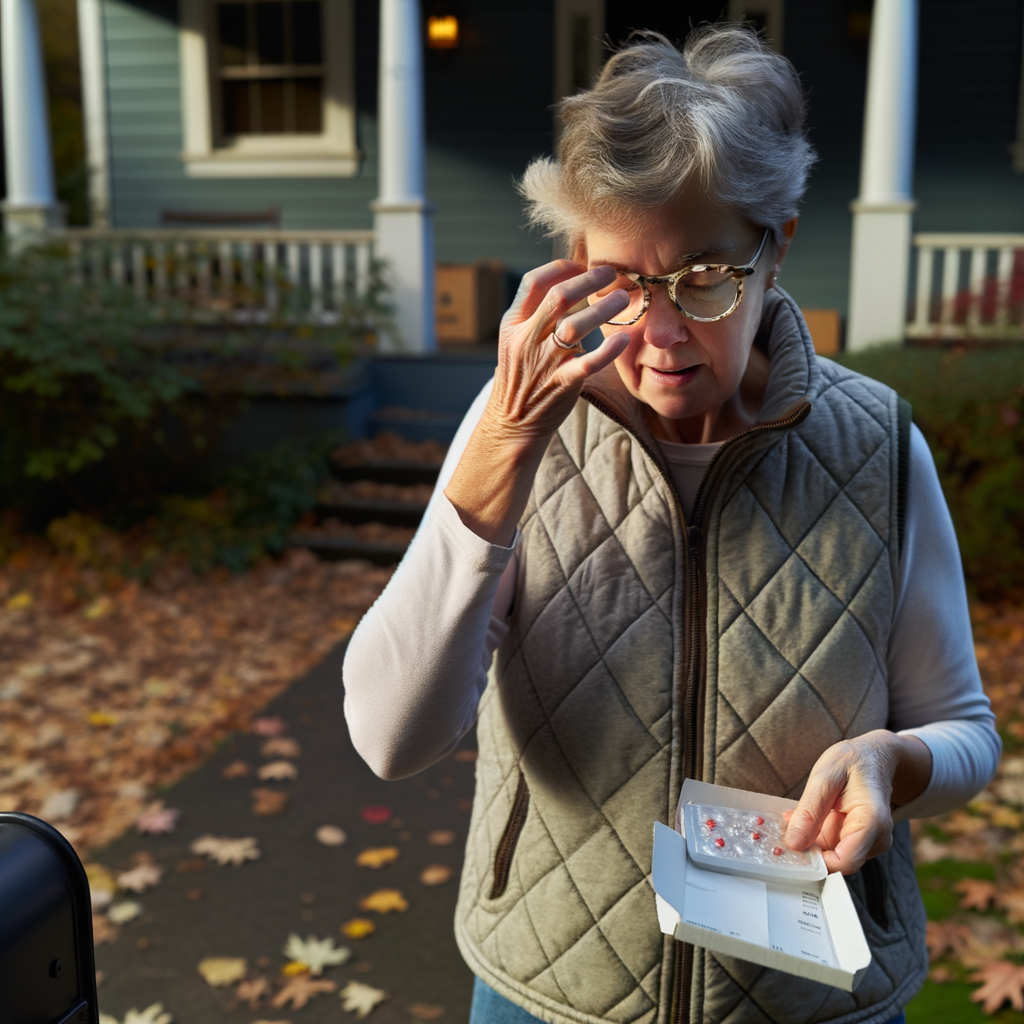
Novo Nordisk has announced a significant pricing change for its popular diabetes medication, Ozempic, offering it to cash-paying U.S. patients for less than half its typical monthly list price. This move could mark a substantial shift in access for individuals managing Type 2 diabetes without sufficient insurance coverage. With the list price of Ozempic hovering around $1,350 per month, the new flat rate of $499 represents a noteworthy discount. This development comes amid growing political and public scrutiny over high drug prices in the United States, and it highlights the evolving landscape of pharmaceutical pricing strategies.
The new pricing is accessible through several channels, including Novo Nordisk’s official website, its patient assistance program, and a newly launched direct-to-consumer online pharmacy. This pharmacy not only facilitates the purchase process but also delivers the medication directly to patients’ homes. According to the company, the $499 monthly price applies to three different dose sizes of the weekly injection, providing flexibility for patients depending on their prescribed treatment plan.
In collaboration with GoodRx, a well-known drug savings platform, Novo Nordisk is also making Ozempic and its weight loss counterpart, Wegovy, available at the same discounted rate across more than 70,000 pharmacies nationwide. Wendy Barnes, CEO of GoodRx, emphasized the importance of this partnership, stating that the initiative is a response to increasing demand and the persistent issue of inadequate insurance coverage. As she explained, “With this collaboration, we're making a significant step forward in our broader effort to fill the gaps in coverage when insurance falls short.”
I found this detail striking: despite Ozempic’s widespread insurance coverage, there remains a segment of the population that pays entirely out-of-pocket for the medication. For those individuals, the new price could offer much-needed financial relief. Dave Moore, executive vice president of U.S. operations and global business development at Novo Nordisk, acknowledged this reality. He pointed out that even one patient turning to unregulated alternatives is one too many, underscoring the company’s intent to provide a safer, more accessible option.
This pricing shift also aligns with broader trends in the pharmaceutical industry, where companies are increasingly exploring direct-to-consumer models. In July, President Donald Trump sent letters to Novo Nordisk and 16 other pharmaceutical companies, urging them to consider such approaches to reduce medication costs. While the company did not explicitly link its pricing strategy to this political outreach, the timing suggests a possible influence. The goal appears to be twofold: to expand access while encouraging patients to use the original branded medications rather than compounded versions that gained popularity during past shortages of semaglutide, the active ingredient in both Ozempic and Wegovy.
Earlier this year, Novo Nordisk implemented a similar discount for Wegovy, offering it at half its list price to cash-paying Americans. These efforts are part of a larger competitive landscape involving GLP-1 medications, a class of drugs that replicate certain gut hormones to help regulate blood sugar and suppress appetite. Eli Lilly, a major competitor, has also reduced prices on its GLP-1 offerings, signaling a broader industry shift toward affordability for uninsured or underinsured patients.
What makes this development particularly impactful is the potential reach. By partnering with platforms like GoodRx and leveraging its own digital pharmacy, Novo Nordisk is not only reducing costs but also simplifying access. Patients can now obtain Ozempic without navigating complex insurance requirements or facing long waits at traditional pharmacies. This convenience, combined with the lower price point, may encourage more consistent treatment adherence, which is crucial for managing chronic conditions like Type 2 diabetes.
While the pricing change is a welcome development for many, it also raises questions about the sustainability of such models and whether other pharmaceutical companies will follow suit. The high cost of prescription medications has long been a contentious issue in the U.S., and while discounts can ease the burden for some, they do not address the root causes of pricing disparities. Still, initiatives like this one represent a meaningful step toward more equitable healthcare access, particularly for those who fall through the cracks of traditional insurance systems.
It’s also worth noting that the popularity of GLP-1 drugs like Ozempic and Wegovy has surged in recent years, not just for diabetes management but also for weight loss. This dual-purpose appeal has led to increased demand, occasionally resulting in shortages and a rise in compounded versions of the drug. By making the branded medication more accessible, Novo Nordisk aims to reduce reliance on these unapproved alternatives, ensuring patients receive a product that meets regulatory standards for safety and efficacy.
As the healthcare landscape continues to evolve, so too will the strategies used by pharmaceutical companies to meet the needs of diverse patient populations. Novo Nordisk’s recent move reflects a growing recognition that affordability and access are not just ethical imperatives but also business necessities in an increasingly competitive market. Whether this signals a long-term shift or a temporary response to public pressure remains to be seen, but for now, many patients stand to benefit from the change.