
Woman Faces 34 Cruelty Charges After Dogs Were Allegedly Denied Food, Water and Proper Shelter
Guest Contributor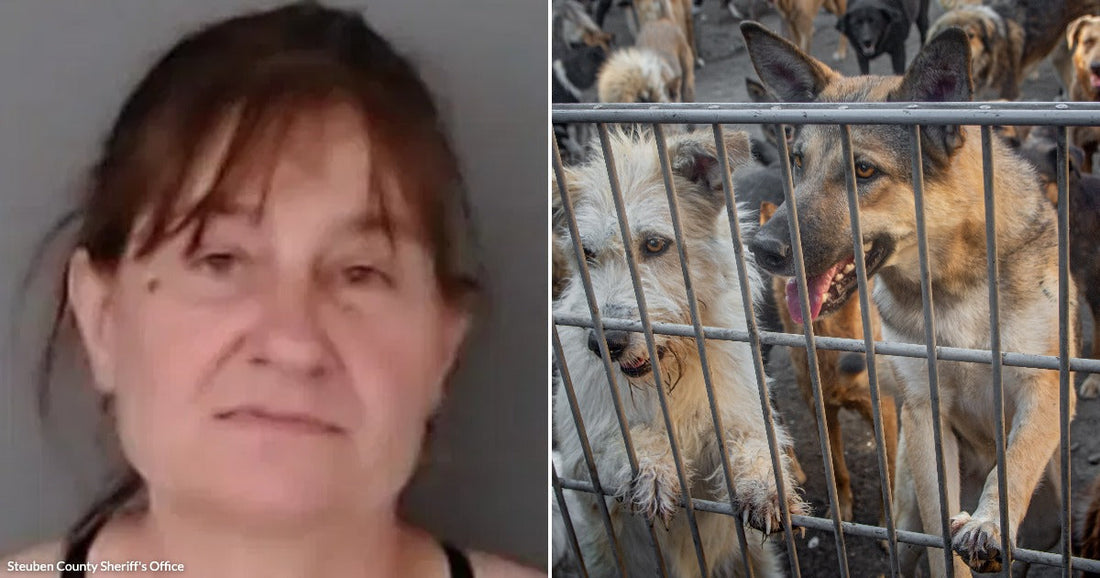
The recent case of more than 30 malnourished dogs found in Steuben County has sent a jolt through many people who care about animal welfare. According to officials, a Cohocton woman is now facing 34 counts of overdriving, torturing and injuring animals and failure to provide proper sustenance. For anyone who has ever shared their life with a pet, the idea of dozens of dogs living without reliable access to food, water, or safe shelter is deeply unsettling. Stories like this highlight ongoing concerns about animal neglect and remind communities how important strong local oversight and responsible pet ownership truly are.
Deputies with the Steuben County Sheriff’s Office searched the Cohocton home of Sheri King, 54, on April 24. What they report finding paints a troubling picture of neglect. More than 30 dogs were discovered across the property, described by the sheriff’s office as being in various states of malnourishment and maltreatment. Some animals appeared more severely affected than others, but investigators say several were already facing serious health issues, believed to be the result of long-term neglect.

Cases of animal neglect often involve gradual decline rather than a single dramatic event. Authorities in this situation determined that King failed to properly house the dogs and did not provide adequate food or water over an extended period of time. That pattern of alleged neglect appears to be central to the charges. Malnourished dogs may suffer from visible weight loss, weakened immune systems, and internal organ strain. Without proper hydration they can quickly slip into severe medical distress. The sheriff’s office reports that each animal on the property had been affected to some degree by this prolonged lack of care.
All of the dogs have since been removed from the home and are receiving treatment. While details about their individual conditions have not been publicly broken down, the fact that law enforcement coordinated their removal indicates concerns about both health and safety. Rescue and veterinary teams typically step into situations like these to stabilize animals, address immediate medical needs, and begin the slow process of rehabilitation. The transition from an unsafe environment to one focused on healing can be stressful for animals, but it is also their first real chance at recovery.
Legally, the charges in this case are significant. King faces 34 counts tied to overdriving, torturing and injuring animals as well as failure to provide proper sustenance. These types of animal cruelty laws are designed to cover a wide spectrum of harmful conduct. They address not only clear acts of physical violence but also the kind of chronic neglect that can cause extreme suffering over time. Housing more than 30 dogs carries a serious responsibility. When that responsibility is not met, the legal system allows for multiple charges to reflect the number of animals affected.

Following the investigation, King was arrested on Monday, arraigned and then released from custody. She was issued an appearance ticket and is scheduled to return to Avoca Town Court. This process is a standard part of the justice system. An arraignment formally presents the charges to the defendant and sets the stage for the court proceedings that follow. Release with an appearance ticket does not resolve the allegations. Instead it sets expectations that the defendant will return to court as the case moves forward.
For many people in Steuben County and beyond, this case raises broader questions about how such situations develop. When someone keeps a large number of animals, circumstances can change unexpectedly. Personal hardship, financial strain or health problems can all make it more difficult to provide consistent care. None of these factors excuse neglect or cruelty, but they help explain how conditions might deteriorate over time without proper oversight. This is one reason community awareness and reporting can be so critical. Neighbors, delivery workers and others who regularly pass by a property are often the first to notice if animals appear thin, distressed or left without adequate shelter.
I found the detail that more than 30 dogs were discovered in “various states of malnourishment and maltreatment” particularly striking. That phrase suggests a spectrum of suffering, from animals on the brink of serious medical crisis to others who may have been just beginning to show outward signs of deprivation. It underlines how animal neglect is not always a single moment of harm but rather a series of missed meals, dirty spaces, empty water bowls and untreated ailments that add up to significant cruelty.
This case also demonstrates why animal cruelty laws emphasize both physical abuse and the failure to provide proper sustenance. Providing care to dogs, whether one or thirty, involves regular feeding, clean water, safe shelter and basic veterinary attention. When those standards are ignored over time, the law recognizes that animals experience suffering that is both preventable and unacceptable. The charges filed here reflect a belief that more than thirty dogs were denied those basic necessities for an extended period.
At the same time, there is some reassurance in knowing that the dogs are now out of harm’s way and receiving treatment. Animal welfare professionals frequently emphasize that neglected animals can be remarkably resilient once they are given a stable environment. With proper nutrition, hydration and medical care, many dogs gradually regain weight, energy and trust. The recovery process can be slow and requires patience, but it offers a path toward eventual placement in safe, responsible homes.
As this case moves through Avoca Town Court, the legal outcomes will depend on the evidence presented and the court’s evaluation of the facts. For the broader community, though, the immediate lesson is already clear. Situations involving malnourished dogs and other forms of animal neglect are not abstract problems that happen only in distant places. They can occur in small towns and rural areas, behind doors and on properties that neighbors may drive by every day. Staying attentive to the welfare of animals in the community, and reporting concerns to local authorities when something seems wrong, can make a crucial difference.
Ultimately, the story of more than 30 malnourished dogs in Steuben County is a difficult one to read, but it also highlights the role local law enforcement and animal care professionals play in protecting animals that cannot speak for themselves. Their intervention removed the dogs from an environment investigators say was marked by extended neglect and gave them a chance at recovery. As the court process unfolds, the dogs’ journey from mistreatment to treatment stands as a reminder that vigilance, compassion and strong animal cruelty laws all work together to safeguard vulnerable animals. Read more at https://13wham.com