
Be A Hero & Support Those Who Served This Veterans Day Give Today!
Husband Faces Felony Neglect Charge After Deputies Say He Repeatedly Left His Wife With Dementia Alone
Guest Contributor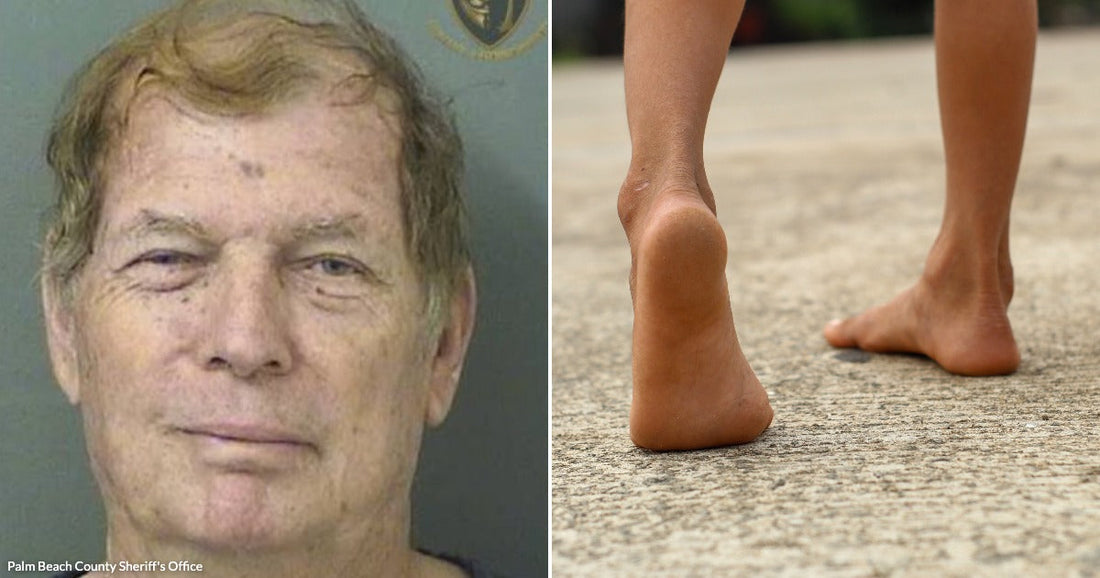
A recent case in Palm Beach County has drawn difficult but important attention to the realities of elder neglect and dementia care. According to investigators, a man named Victor Palsenberger was arrested on a felony charge of neglect of an elderly disabled adult after his wife, who lives with dementia, repeatedly wandered away from their home and was found outside confused and unsupervised. Stories involving elder neglect, dementia, and family care are often complex and emotionally charged, and this one is no exception.
Law enforcement officials said that between February and July, deputies with the Palm Beach County Sheriff's Office responded to several calls involving the same woman. Each time, according to the arrest affidavit, she was discovered outside alone and disoriented. Neighbors and first responders stepped in multiple times to help her, which raised ongoing concerns about her safety and whether she had the supervision that authorities believed she needed.

Investigators ultimately concluded that the woman required constant supervision because of her dementia. The report describes a pattern of incidents where she was left on her own and later located wandering or confused in the area outside her residence. Those encounters did not occur in isolation. Authorities say they repeatedly notified her husband about the level of care needed and the potential dangers of leaving her without oversight.
Despite those prior warnings, officials allege that the situation did not improve. Law enforcement, fire rescue personnel, and representatives from the Florida Department of Children and Families had all raised concerns with Palsenberger, according to the affidavit. They reportedly stressed that his wife was especially vulnerable as an elderly disabled adult and that she was at significant risk if she remained alone without support.

Palm Beach County Sheriff's Office
These incidents culminated in Palsenberger's arrest on a charge of neglect of an elderly disabled adult, which is described as a third-degree felony under Florida law. That classification reflects how seriously the state treats allegations involving the health and safety of older adults who cannot fully care for themselves. Authorities have said the investigation is still ongoing, which means additional details may emerge as the case proceeds through the legal system.
Cases involving dementia can be deeply challenging for families, caregivers, and communities. Dementia affects memory, reasoning, judgment, and orientation. People living with it can become confused about time and place and sometimes wander away from familiar settings. That is why investigators in this situation emphasized the need for constant supervision. For individuals with advanced cognitive impairment, even a short time alone can carry serious risks, including injury, exposure to harsh weather, or becoming lost.
In this case, neighbors played a central role by recognizing that something was wrong when they encountered the woman outdoors and unsupervised. They contacted deputies and assisted the woman multiple times, according to the arrest records. Their involvement highlights how community awareness can be crucial in identifying elder neglect or potential danger. When someone repeatedly appears confused, unaccompanied, and unable to explain where they are going, those patterns can signal that additional help or intervention may be necessary.
The role of first responders was also significant. Deputies and fire rescue personnel were among the first to see the recurring nature of the situation. Each call for assistance prompted more documentation and more warnings to the husband about his wife's vulnerability and the level of care she required. The involvement of the Florida Department of Children and Families further underlines that this was approached not only as a law enforcement matter but also as a concern about long-term safety and proper caregiving.
Allegations of elder neglect are particularly serious because they involve people who often cannot advocate for themselves. Many older adults with dementia rely fully on others for everyday support. When that support falls short, the line between a difficult situation and a dangerous one can be thin. I found this detail striking in the Palm Beach County case: the woman was reportedly found outside and confused multiple times before an arrest was ultimately made. That pattern suggests that authorities did not move directly to criminal charges but instead escalated their response after other measures and warnings did not lead to lasting change.
At the same time, it is important to recognize that law enforcement reports represent one perspective, and the full circumstances of any individual family can be complicated. Dementia caregiving can place enormous emotional and practical strain on spouses and relatives. While this does not excuse neglect, it highlights why accessible support systems, respite services, and clear guidance are so important. When caregivers are overwhelmed, isolated, or unsure of what to do, vulnerable adults can be left without the supervision or care they require.
This case in Palm Beach County also serves as a reminder of the legal responsibilities that come with being a caregiver to someone who is elderly and disabled. When a person can no longer safely stay alone, it often requires changes in daily routines, home safety measures, and sometimes living arrangements. Authorities in this case concluded that the man did not meet those responsibilities even after sustained contact from deputies, fire rescue, and child and family services personnel.
For communities, the situation underscores the importance of speaking up if something seems wrong. Neighbors in this case contacted officials when they saw the woman wandering outside alone, which led to multiple welfare checks and, ultimately, a broader investigation. Their actions reflected not only concern for one individual but also a wider commitment to safety for older adults and people living with dementia. Public awareness of warning signs like repeated confusion, wandering, and visible lack of supervision can make a critical difference.
The ongoing investigation means that more context may come to light about what happened in this household, what resources were available, and how decisions were made. For now, the information shared by officials illustrates how repeated incidents, professional warnings, and visible risks can lead to a criminal elder neglect charge. It also illustrates why consistent supervision is often viewed as non-negotiable for people with certain forms of dementia.
Ultimately, stories like this point to the difficult balance between family autonomy and public responsibility to protect vulnerable adults. As populations age and more families encounter dementia, questions about how to provide adequate care, when to intervene, and how to support caregivers will only become more common. In Palm Beach County, those questions have turned into a formal legal case, one that will continue to unfold under close watch from investigators and the community.