
Shelter Dog Shows His Best Side After Years Waiting
Guest Contributor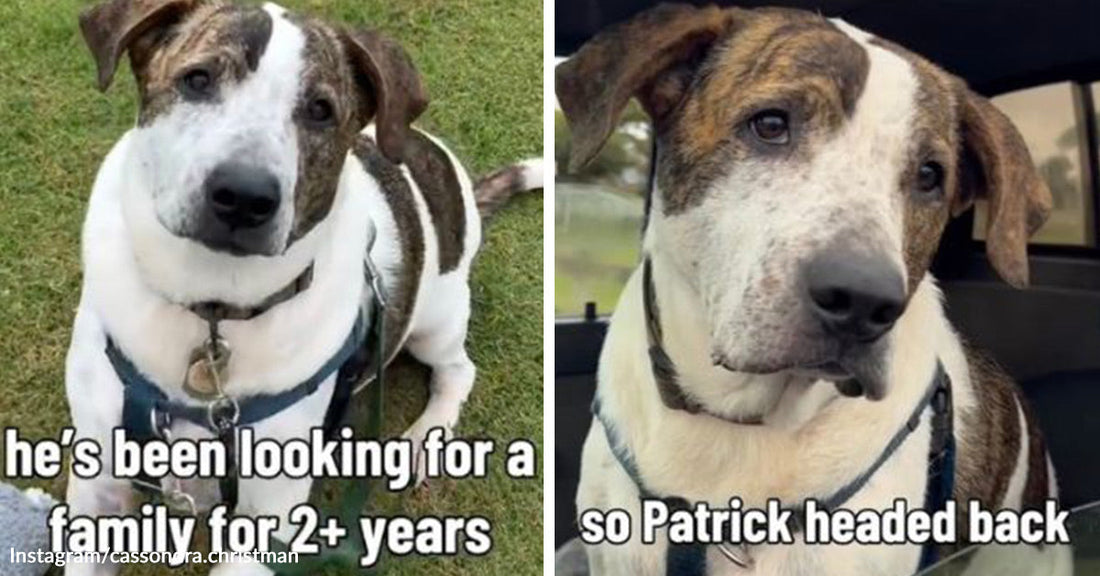
Finding the right home for a rescue dog can be a tender mix of hope and heartbreak. Each animal carries a unique history, personality, and set of needs, which means that even the sweetest adoption story often comes after many quiet setbacks. That reality is captured in the story of Patrick, a 3-year-old shelter dog who has been waiting more than two years to find a permanent home. His recent meet and greet at the Maui Humane Society offers a thoughtful look at what it really means to adopt a reactive dog and why patient, experienced adopters are so important for rescue work.
In a video shared by @cassondra.christman, Patrick is introduced to potential adopters in what was described as his very first official meet and greet. For most dogs, that moment is exciting. For a dog with reactivity issues, it can be complicated and emotionally charged for everyone involved. Patrick has been labeled a reactive dog, a term that often carries misunderstanding. In simple terms, a reactive dog may be particularly sensitive to new people, unfamiliar environments, or specific triggers. This sensitivity can show up as barking, lunging, or other behaviors that look “big,” even when the dog is frightened or unsure rather than aggressive.

Knowing this, Patrick’s foster mom and the shelter team went into the meeting with understandable concern. How would he respond to strangers? Would the environment be too overwhelming? Could his training hold up when it mattered most? The answers, as seen in the video, turned out to be quietly encouraging. As the meeting unfolds, Patrick remains calm and controlled. Instead of reacting negatively, he stays anchored to the familiar presence of his foster mom, choosing to play nearby and observe the new people at a pace that feels safe to him.
Viewers see Patrick walking alongside the prospective adopters, taking treats, and engaging in an easy, relaxed manner that highlights the work that has gone into his training. His body language appears soft and focused, a sign that he is trying to navigate this new experience with care. For a dog who has spent so long in a shelter and carries the label of “reactive,” this kind of behavior is significant. It reflects not only his personal progress but also the commitment of the humans who have invested in his growth.
The meeting is not portrayed as perfectly smooth, and that honesty matters. According to his foster mom, there were moments when Patrick struggled and needed redirection. For people used to dogs who breeze through new encounters, that might sound like cause for concern. In the world of reactive rescue dogs, however, it is often the recovery that tells the real story. Patrick was able to be redirected and settle again, showing that he has learned strategies to work through his discomfort with guidance. That ability to reset is a hopeful sign for a dog who still has some challenges to navigate.
This nuance is important for anyone considering rescue dog adoption, especially adoption of a dog with known behavioral needs. A dog like Patrick is not a “perfect” fit for every household, and that is not a failure of the dog or the people who meet him. Matching animals to homes is about honest assessment and long-term compatibility. In Patrick’s case, the adopters ultimately chose not to move forward. For him, that meant returning to his routine at the shelter and in foster care, still waiting for the person or family who can meet him where he is.
The post explains that Patrick will do best with an experienced adopter who understands reactivity and is prepared to continue the work that has already begun. This is not just about managing behavior but about setting him up for success. An experienced guardian is more likely to recognize early signs of stress, maintain consistent training, and provide structure that makes a sensitive dog feel secure. For a dog who has already spent more than two years waiting, that kind of thoughtful match is essential.
Support from the Maui Humane Society adds another layer of reassurance. According to the information shared with the video, the organization is offering continued training and assistance to help Patrick transition into the right home. That ongoing partnership can make the difference between a shaky start and a stable, thriving adoption. For potential adopters who feel drawn to dogs like Patrick yet worry they might not be capable enough, the promise of professional guidance can be a meaningful safety net.
Patrick’s story highlights several broader truths about reactive dogs and long-term shelter residents. Many of these animals have made quiet, steady progress behind the scenes. They may be learning to walk calmly on a leash, accept treats politely, or relax around new people in short, structured bursts. Moments like Patrick’s meet and greet are the visible result of that work, even when they do not end in an immediate adoption. The absence of a quick “happy ending” does not erase the value of the progress he has made.
There is also a reminder here about how we talk about dogs with behavioral labels. Words like “reactive” can sound intimidating, yet they describe a spectrum of behaviors that are often highly manageable with the right knowledge and support. Patrick is shown as more than his challenges. He is playful, capable of connection, eager to participate, and clearly bonded with the people who care for him. All of these qualities exist alongside his sensitivity to new situations. Recognizing that complexity helps move the conversation away from simple “good dog” or “problem dog” categories toward a more realistic understanding of who these animals are.
For someone considering adopting a reactive shelter dog, Patrick’s experience offers both caution and encouragement. It suggests that patience, training, and partnership with a shelter or rescue group can open the door to a deeply rewarding relationship. At the same time, it acknowledges that not every match is meant to be and that saying “no” can sometimes be the most responsible choice for both dog and human. In that balance lies the real work of ethical rescue.
Until the right person steps forward, Patrick continues to wait, carrying with him the evidence of his progress and the quiet dignity of a dog who tried very hard to be on his best behavior when it counted. For those who feel drawn to dogs like him, his story is a gentle invitation to learn more about reactivity, to consider whether they can offer the structure he needs, and to appreciate the shelters and foster families who stand beside dogs like Patrick while they wait.