
💜 Thanksgiving Food Drive for Shelter Pets Help Us Feed 1 Million Shelter Pets!
Peppermint Oil May Help Lower Blood Pressure, Study Finds
Guest Contributor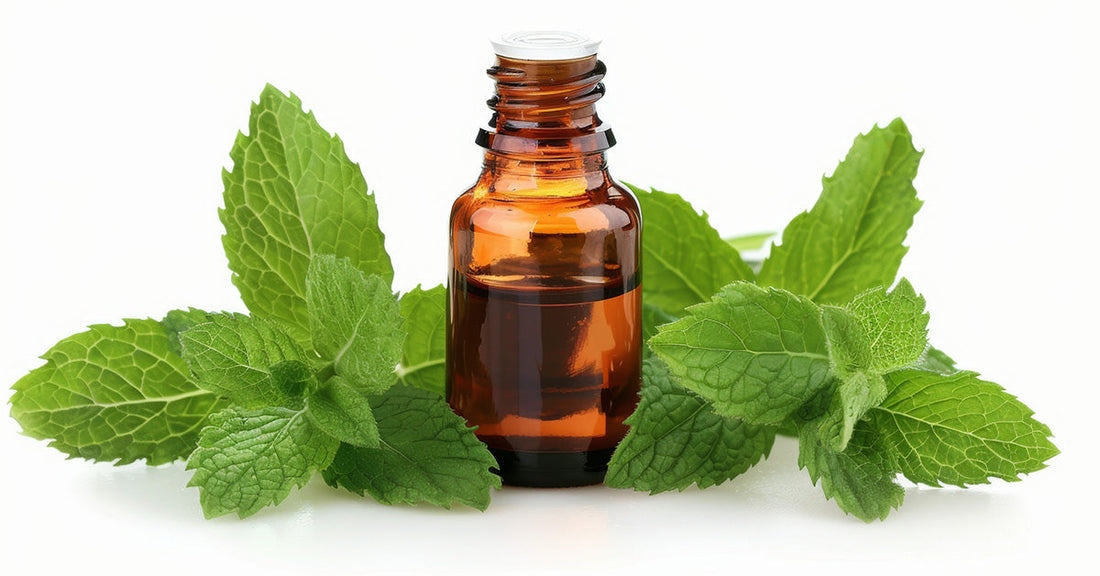
Managing high blood pressure is usually framed as a lifetime relationship with prescription drugs. These medications save lives, yet questions remain about long-term adherence, side effects, and how well they work outside of tightly controlled clinical settings. Against this backdrop, researchers have been searching for safe, low-cost, and practical lifestyle-based strategies that can support cardiometabolic health without adding a heavy treatment burden. A recent randomized controlled trial on peppermint oil and hypertension offers a cautiously hopeful signal that a simple twice-daily supplement might help lower blood pressure in people with pre- and stage 1 hypertension.
The study, published in PLOS One, explored the effects of peppermint oil on cardiometabolic outcomes in adults whose blood pressure fell into the “pre-” or “stage 1” hypertension categories. These are important groups, because blood pressure is elevated enough to increase long-term cardiovascular risk, yet many individuals have not started medication or are looking for non-pharmacological support. The researchers set out to test whether peppermint oil could reduce systolic blood pressure, which is the primary driver of cardiovascular risk and a central focus of hypertension management.
Peppermint (Mentha x piperita L.) is far more than a familiar flavor. It is a hybrid of spearmint and water mint and contains menthol, flavonoids, menthone, and menthyl acetate along with other bioactive compounds. Previous work has shown peppermint to have digestive, antispasmodic, antioxidant, anti-inflammatory, and vasodilatory properties, and toxicology analyses suggest it is safe to ingest at appropriate doses. Because oxidative stress, inflammation, and impaired vascular function all play roles in hypertension, the idea that peppermint oil might influence blood pressure is scientifically plausible rather than purely speculative.

Earlier studies had hinted at cardiovascular benefits. One non-controlled trial in university students reported reductions in low-density lipoprotein cholesterol and systolic blood pressure after peppermint intake, although the lack of a control group made it impossible to rule out other explanations. More recently, a placebo-controlled study in healthy individuals found that twice-daily peppermint oil led to greater reductions in systolic blood pressure, triglycerides, and anxiety compared with placebo. Even so, no randomized placebo-controlled trial had directly tested peppermint oil in people already living with pre- or stage 1 hypertension.
To address that gap, the new study used a parallel, randomized, placebo-controlled design lasting 20 days. Forty adults aged 18 to 65 years with pre- or stage 1 hypertension were recruited in Northwest England. None were taking blood pressure medication, and individuals with major cardiovascular disease, diabetes, severe organ disease, secondary causes of hypertension, pregnancy, or other conditions that could compromise safety or data quality were excluded. The sample size was calculated in advance to detect a meaningful effect on systolic blood pressure, allowing for a modest dropout rate.
Participants were randomly allocated to one of two groups. The active group received pure peppermint oil, 50 microliters diluted in 100 milliliters of water, taken twice daily, once in the morning and once in the evening. The daily dose of 100 microliters was chosen based on earlier human research that had shown cardiovascular benefits without adverse events. The placebo group consumed a peppermint-flavored cordial without peppermint oil, menthol, or other peppermint-derived constituents, matched in appearance and use. Both supplements were provided in identical opaque dropper bottles prepared by an independent researcher, and blinding held up well: less than half of participants correctly guessed their group.
Throughout the 20 days, participants were asked to maintain their usual diet and activity levels and to avoid other peppermint-containing products or antioxidant supplements. To monitor behavior, they completed detailed 4-day diet diaries before baseline and again near the end of the trial. These were analyzed for energy and nutrient intake, which later helped confirm that there were no major dietary shifts that might explain any observed changes in outcomes.

The primary outcome was the between-group difference in systolic blood pressure from baseline to day 20. Secondary outcomes included diastolic blood pressure, resting heart rate, anthropometric measures such as body mass index and waist-to-hip ratio, several blood-based cardiometabolic markers such as triglycerides, total cholesterol and glucose, composite indices like the triglyceride-glucose (TyG) index, and a broad set of questionnaires assessing sleep quality, daytime sleepiness, insomnia symptoms, general psychological wellbeing, depression, and anxiety.
Measurements were taken in the morning after at least 10 hours of fasting, with participants also asked to avoid strenuous exercise, alcohol, nutritional supplements for 24 hours, and caffeine for 12 hours beforehand. Blood pressure and heart rate were recorded using an automated monitor, and the average of the final two of three readings was used. Body composition was assessed with multifrequency bioelectrical impedance, and waist and hip circumferences were measured using standardized protocols.
What emerged at 20 days was a clear separation between the peppermint and placebo groups in cardiovascular measures, although not in most secondary outcomes. After adjusting for baseline values using regression models, the peppermint group showed a significantly lower systolic blood pressure relative to placebo. The adjusted difference was about 8.5 millimeters of mercury, with a confidence interval that did not cross zero and a large effect size. Baseline systolic blood pressure had been similar between groups, suggesting that the difference at follow-up was unlikely to be due to chance imbalance.
Diastolic blood pressure and resting heart rate told a similar story, with both measures significantly lower in the peppermint group at day 20 after adjustment for baseline. Effect sizes here were in the moderate to large range, again favoring the peppermint supplement over placebo. Given that elevated resting heart rate is independently associated with cardiovascular and all-cause mortality, a reduction of nearly 9 beats per minute, if sustained, could be clinically relevant.
How might peppermint oil be exerting these effects? The authors point to menthol, a key component of peppermint, which activates transient receptor potential melastatin 8 (TRPM8) channels in vascular smooth muscle and sensory neurons. Activation of these channels can promote vasodilation through calcium entry into endothelial cells, stimulation of nitric oxide production, and hyperpolarization of vascular smooth muscle. Menthol may also influence autonomic regulation, shifting the balance toward increased parasympathetic activity and reduced sympathetic drive. Such changes would be consistent with lower blood pressure and reduced resting heart rate.

On the other hand, peppermint supplementation did not produce significant between-group differences in body weight, fat mass, waist-to-hip ratio, lipid ratios, glucose-related indices, sleep scores, depressive symptoms, or anxiety over the 20-day period. The trial was not powered primarily for these secondary endpoints, and the relatively short duration may not have been long enough for shifts in many of these measures to emerge. The absence of change does not necessarily mean peppermint has no effect, only that this particular study could not detect one with confidence.
Safety and tolerability findings were encouraging. Compliance exceeded 90 percent in both groups, loss to follow-up was low, and only one adverse event was reported, a minor issue linked to dislike of the peppermint taste. No serious events occurred. Considering that the peppermint oil used is a food-grade product recognized as safe at appropriate doses, and that the cost of a bottle is relatively modest, the intervention appears feasible for real-world use, at least over the short term.
The authors are careful, however, to acknowledge the study’s limitations. The sample size, while adequate for detecting the primary effect on systolic blood pressure, was small for a broad set of secondary measures. The 20-day window captures short-term blood pressure responsiveness but says little about whether these effects would persist over months or years, which is the timescale that matters for reducing cardiovascular events. Blood pressure was measured in a controlled laboratory setting rather than using 24-hour ambulatory monitoring, so it cannot fully account for daily variability or phenomena such as white-coat hypertension. Finally, the trial did not include mechanistic biomarkers such as nitric oxide metabolites or direct measures of endothelial function or autonomic balance, so any explanation for how peppermint works remains provisional.
Despite these caveats, the findings contribute to an emerging picture in which certain plant-based interventions, such as Montmorency tart cherry, blueberry juice, and now peppermint oil, may offer adjunctive support for cardiometabolic health. Unlike fruit juices, however, peppermint oil can be delivered in very small volumes with negligible sugar or calorie load, which could be an advantage for people trying to manage both blood pressure and body weight. For individuals with pre- or stage 1 hypertension who are not yet on medication or who are working alongside standard care on lifestyle changes, supervised peppermint oil supplementation may eventually become one of several evidence-informed tools. Larger, longer trials that include mechanistic measures and diverse populations will be essential to clarify both efficacy and safety over time.
Ultimately, this study does not suggest that peppermint oil replaces antihypertensive medications or comprehensive lifestyle modifications. Instead, it invites a more nuanced view of hypertension management in which small, low-cost, and well-tolerated interventions might make meaningful contributions when used thoughtfully and in combination. For now, anyone considering peppermint oil for blood pressure should discuss it with a qualified healthcare professional, particularly if they already take other medicines or have complex health conditions, while researchers continue to explore how this familiar herb might find a place in modern cardiovascular care.
Read more at https://journals.plos.org/plosone/article?id=10.1371/journal.pone.0344538