
No One Should Have to Choose Safety or Their Pet Help Build a Safe Place !
A Diabetes Diagnosis Can Feel Overwhelming, but a Practical Care Plan Can Help You Regain Control
Guest Contributor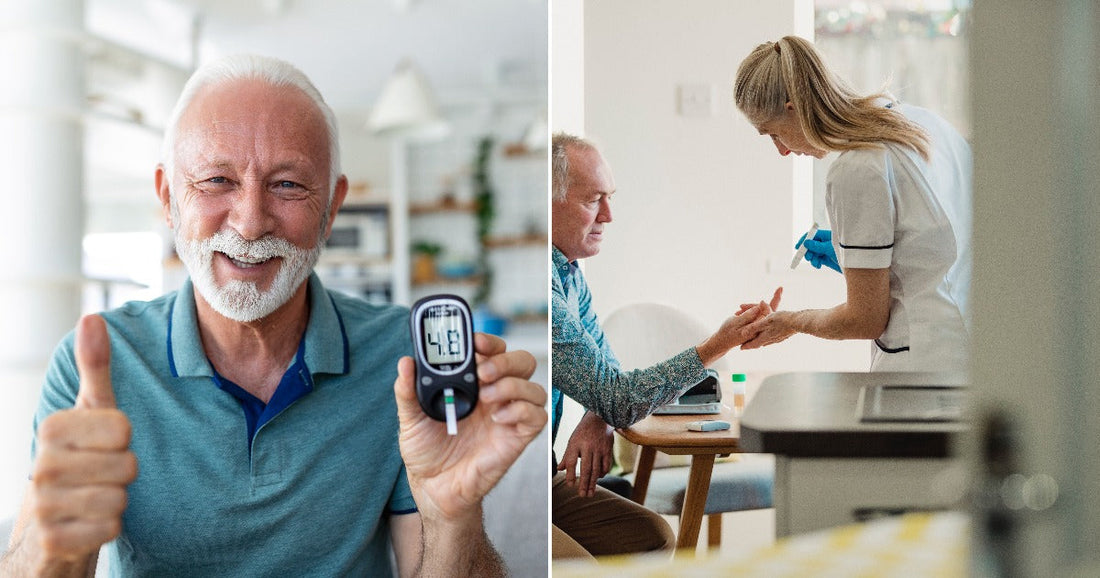
Living with diabetes can feel overwhelming at first. There is new vocabulary to learn, habits to build, and a lot of appointments and decisions to juggle. Yet many people discover that with a clear diabetes management plan, consistent routines, and the right support, they can regain a strong sense of control and confidence. Diabetes is a chronic condition that affects how the body regulates blood sugar, and effective diabetes care depends on more than one treatment. It involves a coordinated effort that includes medication, blood sugar monitoring, lifestyle changes, and emotional support.
For many, the journey begins in a familiar place: the primary care physician’s office. A diagnosis may appear on routine screening lab work or during a visit for another concern. From there, the primary care physician typically leads the first phase of diabetes education and treatment. Over time, this care often expands into a team-based approach. An endocrinologist can provide specialized insight into hormonal and metabolic issues. A certified diabetes care and education specialist helps people understand daily management tasks and problem-solving. A registered dietitian supports practical meal planning that fits personal preferences, culture, and health goals. When needed, other specialists such as ophthalmologists, podiatrists, cardiologists, neurologists, and dentists help monitor and treat complications that involve the eyes, feet, heart, nerves, and oral health.

How often someone with diabetes sees these clinicians often changes over time. In the beginning, or if blood sugar levels are far from the target range, visits with a primary care physician might occur every three months or even more often. These check-ins are used to adjust medications, examine blood test trends, and talk through symptoms. As blood sugar comes under better control and routines settle into place, some people can move to visits every six months. For specialists, appointment frequency typically depends on whether complications are present or symptoms are changing. When diabetes is considered well managed and stable, annual visits with eye, foot, and other specialists are often enough, unless new concerns arise.
Part of building a sustainable plan involves asking questions and understanding why each piece of care matters. Simple, focused questions can help clarify what is happening in the body and what to watch for. People often want to know why diabetes can affect specific areas such as the eyes or feet, which symptoms deserve urgent attention, what each medication does, and whether there are ways to reduce the risk of complications over time. Writing questions down before appointments can reduce stress, prevent forgetting important concerns, and make conversations more productive. There are no trivial questions when someone is learning how to manage a chronic condition.

Medication is one of the cornerstones of a diabetes management plan. The type of medication used depends strongly on whether a person has type 1 or type 2 diabetes, along with other health factors and personal preferences. In type 1 diabetes, the body does not produce enough insulin, so insulin replacement becomes essential every day. People may use rapid acting or long acting insulin, delivered with syringes, insulin pens, or insulin pumps programmed to release insulin throughout the day.
Type 2 diabetes usually involves the body not using insulin effectively. That is why treatment initially focuses on medications that help the body lower blood sugar in other ways. A widely used first option is metformin. Other therapies include glucagon-like peptide 1 receptor agonists and dual GLP 1 and gastric inhibitory peptide receptor agonists, along with DPP 4 inhibitors, SGLT2 inhibitors, thiazolidinediones, and sulfonylureas. In some situations, doctors may recommend less commonly used medicines such as meglitinides, alpha glucosidase inhibitors, bile acid sequestrants, or dopamine 2 agonists. If blood sugar remains difficult to control, people with type 2 diabetes may also use insulin, alone or combined with these other medications.
Because these treatments work around the clock to protect long term health, consistent medication management is essential. Knowing the name of each medicine, what it is used for, and which side effects to watch for can help prevent confusion. Many people find that pill organizers, smartphone reminders, or written checklists make it easier to take medications at the same time every day. Planning ahead to refill prescriptions before they run out, checking expiration dates, and keeping fast acting glucose options available for low blood sugar can all make daily life smoother. For emergencies, it is especially helpful to keep instructions and treatments for severe low blood sugar easy to reach.
Diabetes care also relies heavily on monitoring. Blood glucose meters, or glucometers, give quick readings from a fingertip blood sample. Lancets and test strips make this process possible. Others use continuous glucose monitors that track blood sugar through a sensor placed under the skin and send frequent readings to a separate device or smartphone. For insulin delivery, choices range from traditional syringes and vials to insulin pens, smart insulin pens paired with tracking apps, and wearable insulin pumps that can deliver more precise dosing. Wearing medical identification jewelry that notes a diabetes diagnosis can be critical in an emergency if someone is unable to speak for themselves.

Many people assemble a small diabetes emergency kit that they keep at home or take when traveling. This kit can include spare insulin and oral medications, extra injection and monitoring supplies, copies of prescriptions and important medical details, quick acting carbohydrate sources such as glucose tablets or juice, a glucometer, ketone test strips, glucagon for severe low blood sugar, and extra batteries for devices. Disposing of used needles safely is also part of staying prepared. These preparations help reduce the risk that unexpected events or device failures will lead to a crisis.
Medication and technology alone are not enough for most people to stay within target blood sugar ranges. Nutrition and physical activity play a major role in everyday diabetes management. A balanced diet does not necessarily mean giving up favorite foods altogether, yet it usually involves more mindful choices. Many people focus on non starchy vegetables such as carrots, broccoli, and cauliflower, a variety of proteins, fruits such as strawberries and grapes, and healthy fats like nuts, avocados, and salmon. At the same time, limiting sweets, sugary drinks, alcohol, and highly processed foods can help prevent sharp spikes and drops in blood sugar. Some people choose a lower carbohydrate eating pattern so that blood sugar changes more gradually after meals, which can also reduce the need for certain medications.
Exercise is another powerful tool that can help regulate blood glucose levels and address risk factors related to diabetes. Because physical activity itself can shift blood sugar, safety planning is important. Checking blood sugar before, during, and after exercise, monitoring ketones when recommended, wearing comfortable and supportive shoes, and asking about compression socks when needed can reduce complications, especially for those with nerve or circulation issues. For many, the most sustainable approach is to increase activity slowly. That might start with more frequent walks around the home or light yard work, then progress toward structured strength training and cardio as medical professionals advise.
Alongside all of this practical planning sits an equally important reality: the emotional impact of a chronic diagnosis. Research has found that psychological distress is common after a diabetes diagnosis. People may experience shock, denial, anger, guilt, anxiety, frustration, fear about treatment or complications, and symptoms of depression. I found this detail striking because it highlights how much more there is to diabetes management than numbers on a lab report. Caring for mental well-being can include meeting with a therapist, learning stress management skills such as meditation or breath work, working on sleep habits and hydration, and joining support groups. Friends and family can also play a key role by offering practical help with daily tasks and emotional encouragement. Some people find that practices such as gratitude journaling help them notice progress and maintain hope.
Over time, learning about diabetes care, working steadily with a healthcare team, and developing consistent routines can transform the experience of living with diabetes. While the condition does require ongoing attention, many people discover that the same changes that support blood sugar control also improve overall health and quality of life. Being proactive, informed, and supported can turn an initial feeling of uncertainty into a plan that feels realistic and empowering. Read more at https://www.healthline.com/health/diabetes/diabetes-101