
Be A Hero & Support Those Who Served This Veterans Day Give Today!
Processed Foods to Prevent Strokes: 4 Affordable Heart-Healthy Picks
Guest Contributor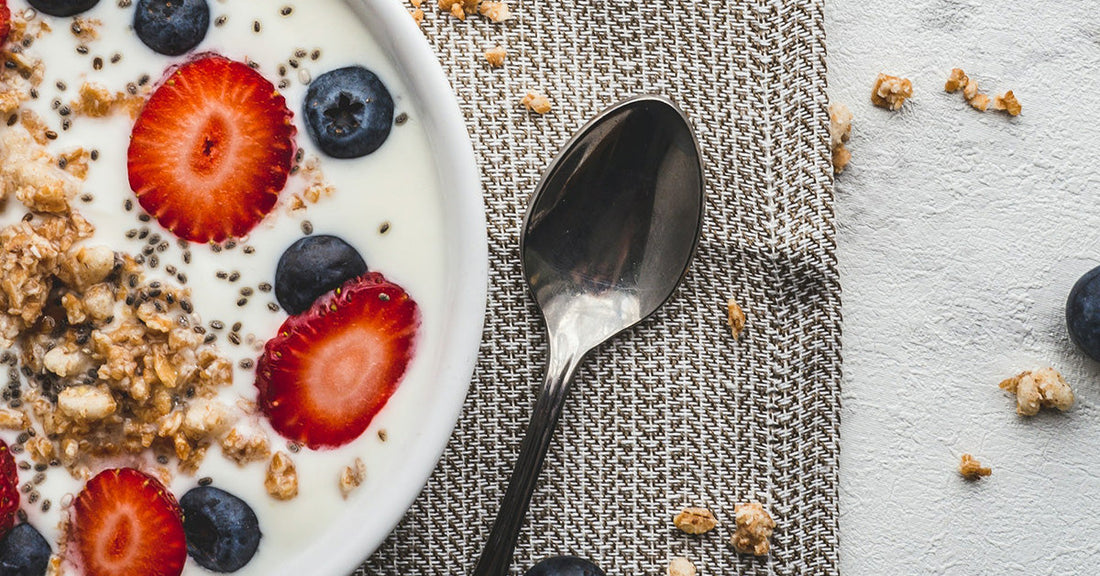
Many people have heard that “processed foods” should be avoided for better heart and brain health, especially when it comes to preventing strokes. Yet nutrition experts are increasingly pointing out that not all processed foods are created equal. Some can be valuable, convenient allies in a heart-healthy lifestyle. In fact, several affordable processed foods, including canned salmon, oats, tofu, and plain low fat yogurt, may actually help reduce stroke risk when they are part of a balanced eating pattern.
Stroke prevention is rarely about a single “superfood.” Instead, it is the pattern of eating week after week that matters. The article this piece draws from highlights four nutrient-rich processed foods that fit neatly into a heart-supportive diet. Each one offers specific nutrients, like omega 3 fatty acids, fiber, or probiotics, that may influence blood pressure, cholesterol levels, inflammation, and overall cardiovascular health.

Canned Salmon
Canned salmon is a prime example of how processing does not automatically make a food unhealthy. Fresh salmon that is cooked and canned technically becomes a processed product, yet dietitians point out that canned salmon remains an excellent and accessible source of protein and omega 3 fats. It is typically more budget friendly than fresh fish and is easy to keep on hand in the pantry for quick meals. According to registered dietitian Alexander LeRitz, canned salmon can be tossed into salads, layered into sandwiches, or added to grain bowls to create a fast, nourishing dish.
The potential benefits of salmon for stroke prevention appear closely tied to its omega 3 content, particularly DHA and EPA. Research suggests that people who eat fish regularly tend to have a lower risk of stroke, and higher circulating levels of these omega 3 fats have been associated with better cardiovascular outcomes. Experts often advise aiming for about two servings of fish per week to support heart health, and canned salmon offers an easy way to meet that guideline without much cooking time or expense.
Yogurt
Yogurt is another food that may surprise people when they hear it described as “processed.” Yet even though it is produced through fermentation and often packaged in cartons or cups, plain low fat yogurt provides important nutrients such as calcium, phosphorus, and potassium. Registered dietitian Kiran Campbell notes that dairy foods contain a mix of nutrients and compounds sometimes referred to as the “dairy matrix,” and this combination may help explain some of dairy’s health benefits.
In studies, higher yogurt intake has been linked to a reduced risk of stroke. One reason may be yogurt’s role as a fermented dairy food. Its live cultures, or probiotics, can support a healthy gut microbiome. These beneficial bacteria help ferment dietary fiber in the intestines and produce short chain fatty acids, which may have positive effects on cholesterol metabolism and inflammation. Together, these effects could contribute to a lower stroke risk over time.
To make the most of yogurt’s potential advantages, nutrition experts recommend choosing plain, low fat varieties rather than flavored products that often contain a significant amount of added sugar. Plain yogurt can be dressed up with fruit, nuts, or seeds for extra fiber and flavor, allowing people to adjust sweetness themselves while keeping overall sugar intake in check.

Tofu
Tofu offers another example of a processed food that can support cardiovascular health. It is made from soybeans that are soaked, ground, and pressed into blocks, which qualifies as processing, yet the final product is nutrient dense. Tofu is a plant-based source of protein and provides dietary fiber and isoflavones, naturally occurring compounds found in soy. Campbell points to a study in older adults in China where eating soy foods two to three times per week was associated with about a 33 percent lower stroke risk. Consuming soy four or more times per week was linked to a stroke risk that was about half that of people who had very little soy.
The health effects of soy likely stem from several factors working together. Its fiber and plant protein support heart health, and research indicates that higher soy intake may help lower blood pressure. Since elevated blood pressure is one of the leading risk factors for stroke, adding tofu and other soy foods to a balanced eating pattern can be a practical way to support cardiovascular wellness.
Oats
Oats round out this group of stroke supportive processed foods. Whether rolled, steel cut, or instant, oats undergo some degree of processing to make them easier and faster to cook. As LeRitz explains, cutting or rolling whole oats simply shortens cooking time while preserving their status as a whole grain. A cup of dry oats provides a substantial amount of fiber, and they are especially rich in soluble fiber known as beta glucan.
Beta glucan plays a key role in managing LDL cholesterol, sometimes called “bad” cholesterol. It helps reduce LDL levels, which can in turn decrease plaque buildup in the arteries. Less plaque generally means a lower risk of cardiovascular disease and stroke. Studies also suggest that diets high in fiber overall are linked to reduced markers of inflammation. Since chronic inflammation is another factor in stroke risk, regularly including oats at breakfast or in baked dishes may offer meaningful benefits over time.
Choosing the right versions of processed foods is essential. Nutrition experts advise paying attention to sodium, added sugar, and fiber content in particular. For canned items such as salmon or beans, low or no sodium varieties are preferable when they are available. Draining and rinsing some canned foods can also reduce sodium content. Limiting sodium intake can help keep blood pressure in a healthier range, which is central to stroke prevention.
With yogurt and oats, plain, unflavored options are usually the smartest choice. Dietitian Sarah Pflugradt recommends starting with unsweetened products and adding fruit or a small amount of sweetener at home. Many flavored yogurts and instant oat packets contain substantial added sugar, which can contribute to health concerns that ultimately affect heart and brain health. Taking control of sweetness lets people enjoy these foods while still aligning with a stroke prevention mindset.
Looking for processed foods that naturally contain fiber is another practical strategy. Pflugradt points to canned beans, frozen vegetables, and whole grain breads as examples of convenient products that can support fiber intake. Processing in these cases can make foods more accessible, especially for busy households or people with limited access to fresh produce.
Of course, food is only one part of a broader stroke prevention picture. The article emphasizes simple movement habits, blood pressure awareness, stress management, and overall dietary patterns as additional pillars of cardiovascular health. Short walks after meals may help with blood sugar management. Regular physical activity, such as striving for at least 150 minutes of moderate intensity movement per week, is widely recommended for heart and brain health. Knowing one’s blood pressure numbers and working with a health care provider when needed is essential because untreated high blood pressure greatly increases stroke risk.
Stress also plays a role. High stress levels have been linked with a greater likelihood of a first stroke. Mindfulness practices, journaling, yoga, or any form of movement that helps reduce tension can be valuable tools. For many people, shifting toward a Mediterranean style eating pattern aligns well with these goals. This way of eating emphasizes fiber rich foods, such as vegetables, fruits, whole grains, legumes, and nuts, along with unsaturated fats from olive oil and a focus on fish. It also limits sodium and added sugars, aligning closely with the guidance discussed above.
Overall, the takeaway is reassuring. Processed foods do not need to disappear from a stroke conscious diet. When chosen thoughtfully, items like canned salmon, plain low fat yogurt, tofu, and oats can provide powerful nutrients in budget friendly, convenient forms. By favoring lower sodium and low sugar options, focusing on naturally fiber rich products, and pairing these choices with regular movement, stress management, and blood pressure monitoring, people can build an eating pattern that supports both heart and brain health over the long term. Read more at https://www.eatingwell.com/processed-foods-to-prevent-strokes-12240727