
Three Neglected Dogs Escape A House Of Horror As One Fights Extreme Starvation
Guest Contributor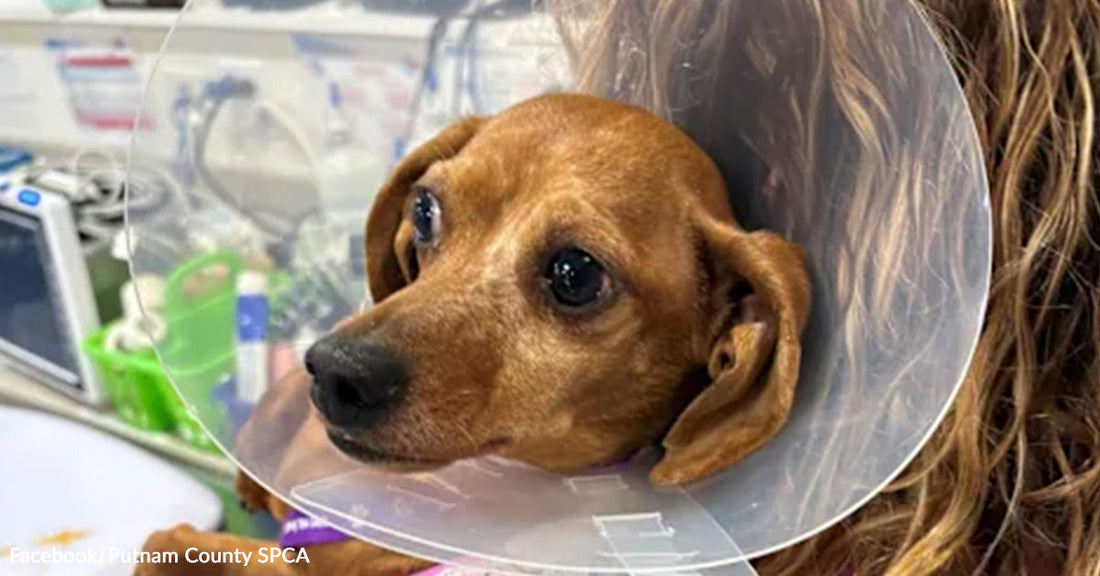
The recent rescue of three dachshunds from a foreclosed Mahopac residence is a sobering reminder of how vulnerable animals can become when circumstances change and no one steps up to protect them. In this case, the Putnam County SPCA responded to a complaint about possible abandoned pets and found the dogs in the basement, left in darkness, surrounded by garbage and feces. Stories of animal cruelty and neglect like this highlight why organizations such as local SPCAs and humane law enforcement units are so critical to a community’s safety net for animals.
According to the report, Humane Law Enforcement officers from the Putnam County SPCA arrived at the foreclosed house after receiving a call about animals possibly left behind. With a representative from the company that holds the deed to the property, they entered the residence and went down into the basement. There they discovered three male dachshunds kept in alarming conditions. The basement area was strewn with garbage, rubbish and debris, and the animals were reportedly living among large amounts of feces, without visible food or water. The officers deemed the situation both unsanitary and unsafe for any living creature.

It is hard to overstate how distressing that scene must have been. The animals were in the dark, without basic care, in a place that had already been abandoned after foreclosure. This kind of case illustrates how easily animals can be overlooked when properties change hands or when people face financial or personal crises. The swift response from humane officers ensured that the dogs were removed from those conditions and transported right away to Guardian Veterinary Specialists for medical evaluation and treatment.
Once veterinarians examined the animals, they discovered a range of health problems that spoke to long-term neglect rather than a brief lapse in care. The report describes severe dental disease and ocular issues that had gone untreated. The dogs had overgrown toenails, along with scaly, dry skin and a strong, foul odor that suggested a sustained lack of grooming and sanitation. These conditions tend to develop gradually when animals do not receive regular health checks, cleanliness or basic maintenance. They also often cause significant pain and discomfort, although animals are remarkably good at hiding how much they are suffering.
One of the dogs was described as “extremely emaciated,” with a body condition score of 1.5 out of 9, which is dangerously thin by veterinary standards. A body condition score is a simple tool veterinarians use to assess an animal’s weight relative to its ideal. Scores near the lower end of the scale typically indicate severe undernourishment and muscle loss, sometimes associated with prolonged lack of adequate food or underlying medical conditions that have gone untreated. A score that low is not just a cosmetic concern. It usually reflects serious health risks that can affect organs, immune function and overall survival.
The Mahopac man identified in the report, 62 year old Michael Ward, was arrested and charged with three counts of animal cruelty. The charges reflect the allegation that three separate animals were subjected to neglectful or cruel conditions. Animal cruelty laws are designed to address exactly these kinds of situations, where a caretaker’s actions or inactions result in suffering. While the legal process will determine the outcome for the individual involved, the charges themselves send a clear signal that the treatment described in this case is not acceptable.
Despite the gravity of what the officers and veterinarians found, there is a measure of hope in the outcome. The Putnam County SPCA reports that all three dogs are now stable and receiving ongoing medical care. That means veterinary professionals are working to treat their ailments, restore their weight where needed and address issues like dental disease and skin problems. When animals receive consistent care after neglect, many can recover both physically and emotionally over time. Their resilience is one of the reasons rescue stories, even painful ones, often resonate with people who follow animal welfare news.
Once the dachshunds are fully recovered, they will be made available for adoption through the SPCA. That future adoptability is an important part of the story. It shows that the goal of rescuing animals from cruelty and neglect is not only to remove them from immediate danger, but also to give them a real chance at a different life. Responsible adopters can provide stable homes, regular veterinary care and the attention these dogs lacked for so long. For many readers, the idea of these once abandoned dachshunds eventually finding new families is likely one of the most meaningful outcomes.
The case of the three dogs found abandoned in a foreclosed Mahopac residence also highlights the essential role of community awareness. It began with a complaint about possible pets left behind. That tip led humane officers to investigate and ultimately to save lives. When neighbors, property managers or even visitors pay attention to potential signs of neglected or abandoned animals, they become part of a broader safety net. Even a simple concern shared with the appropriate authorities can make the difference between prolonged suffering and timely intervention.
Animal welfare organizations often emphasize that recognizing warning signs matters. Prolonged barking or crying from a home that appears empty, animals visibly losing weight or appearing filthy, or properties in foreclosure where pets might have been left behind are all situations where a call to a local SPCA or humane law enforcement unit may be appropriate. The Putnam County SPCA’s humane officers acted quickly in this case, but they were able to do so only because someone first spoke up.
Stories of animal cruelty and rescue can be difficult to read, especially when they describe conditions like filth, starvation or untreated disease. At the same time, they underscore why animal cruelty investigations, adoption programs and veterinary partnerships are so important. The collaboration between humane law enforcement and veterinary specialists in this Mahopac case provided immediate relief for the dogs and laid the groundwork for their ongoing recovery. For anyone who cares about animal welfare in their community, following these cases can offer both a clear picture of the challenges and a reminder that effective systems of response do exist.
In the end, the rescue of these three dachshunds from a basement filled with garbage and feces is a story that holds both tragedy and promise. It reflects serious alleged neglect and the suffering that can result when animals are left behind in foreclosed homes. Yet it also reflects the dedication of humane officers who respond to calls, the medical teams who treat vulnerable animals and the potential adopters who will eventually open their homes. Awareness, reporting and responsible care are all part of preventing similar situations in the future. Anyone interested in the full account of the Putnam County SPCA rescue and the charges that followed can read the original reporting here: Read more at AOL