
🚨Urgent: Rush Aid to People & Pets in Nepal's Devastating Floods! Help Now!
Rare White Orcas with Leucism Captured by Wildlife Photographer in Japan
Guest Contributor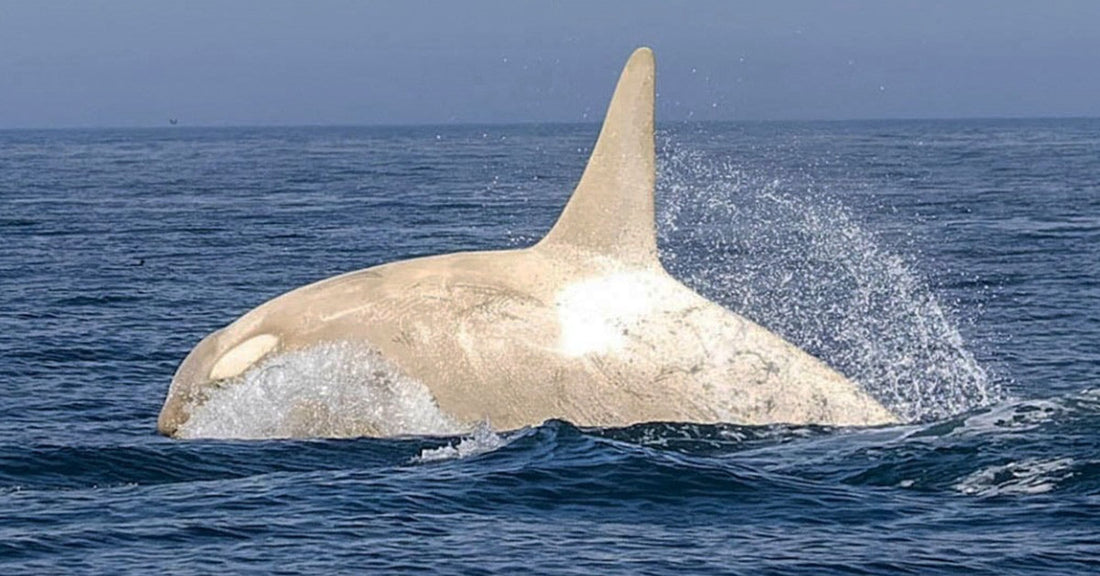
Wildlife photography often demands patience, persistence, and a deep reverence for the natural world. For N. Hayakawa, a seasoned wildlife photographer with nearly 20 years of experience capturing land and sea creatures across Japan, those virtues paid off in an extraordinary way. While documenting orcas off the coast of Rausu in Hokkaido, Hayakawa encountered a once-in-a-lifetime sight: a rare white orca swimming among its pod. This remarkable moment not only stunned the photographer but also captivated animal lovers around the world.
The unexpected encounter occurred after years of photographing typically pigmented orcas in the same region. According to Hayakawa, this was the first time they had seen an all-white male orca in over 15 years of work in Rausu. The discovery was so surprising that Hayakawa admitted their legs trembled while they scrambled to capture the moment on camera. The resulting images show a cream-colored orca gliding through the deep blue sea, a visual contrast that seemed almost dreamlike. “I still think it was a dream,” Hayakawa shared on Instagram.

The rare coloration of the orca immediately raised questions about its condition. While the whale’s pale skin might suggest albinism, further examination pointed to another explanation: leucism. Unlike albinism, which entails a complete lack of melanin and often results in pink or red eyes, leucism involves a partial loss of pigmentation. The presence of dark eyes in the white orcas led Hayakawa to suspect leucism as the more likely cause. According to Treehugger, animals with leucism may appear white or patchy but retain normal eye coloration, helping distinguish the condition from full albinism.

What I found particularly striking was the fact that this rare orca appeared to be fully integrated into its pod. The animal swam confidently alongside its more typically colored peers, showing no signs of exclusion or distress. This is especially noteworthy because animals with unusual pigmentation can sometimes become more visible to predators or face social challenges within their groups. In this case, however, the white orca seemed to be accepted and protected, offering a hopeful glimpse into the adaptability and inclusivity of marine life.
As if one rare encounter weren’t enough, Hayakawa’s return to the same waters brought another surprise: a second white orca, this time a female. The photographer quickly went to work, capturing another series of images that revealed more about these extraordinary animals. The female’s eyes also appeared black, reinforcing the theory that both whales have leucism rather than albinism. The consistency in their appearance suggests a possible genetic link, perhaps inherited from a shared parent, although further research would be needed to confirm this.
These sightings are not only visually stunning but also scientifically intriguing. White orcas are exceptionally rare, and the presence of two such individuals in the same region raises questions about their lineage and the prevalence of leucism in the local orca population. While the condition can pose survival challenges in the wild, the fact that these whales appear healthy and socially integrated is a positive sign.
Hayakawa’s dedication to wildlife photography continues to bring these rare moments to light. In addition to orcas, the photographer also documents other native species, such as the Japanese dwarf flying squirrel, showcasing the rich biodiversity of Japan’s ecosystems. Yet, the allure of the white orcas remains strong. With one identified as male and the other as female, Hayakawa holds out hope for an even rarer sight in the future: a white orca calf swimming among the pod.
For those interested in marine wildlife, rare orca sightings, or the phenomenon of leucism in animals, Hayakawa’s work offers a compelling window into the natural world. The images and stories shared online not only inspire awe but also contribute to a broader understanding of marine biology and animal behavior. As these white orcas continue to thrive in their oceanic home, they serve as a poignant reminder of nature’s endless capacity to surprise and inspire.
To follow N. Hayakawa’s ongoing wildlife photography journey, you can find their work on Instagram or X.