
A Puppy’s Four Paws Were Burned After Being Allegedly Dragged Across Hot Pavement
Guest Contributor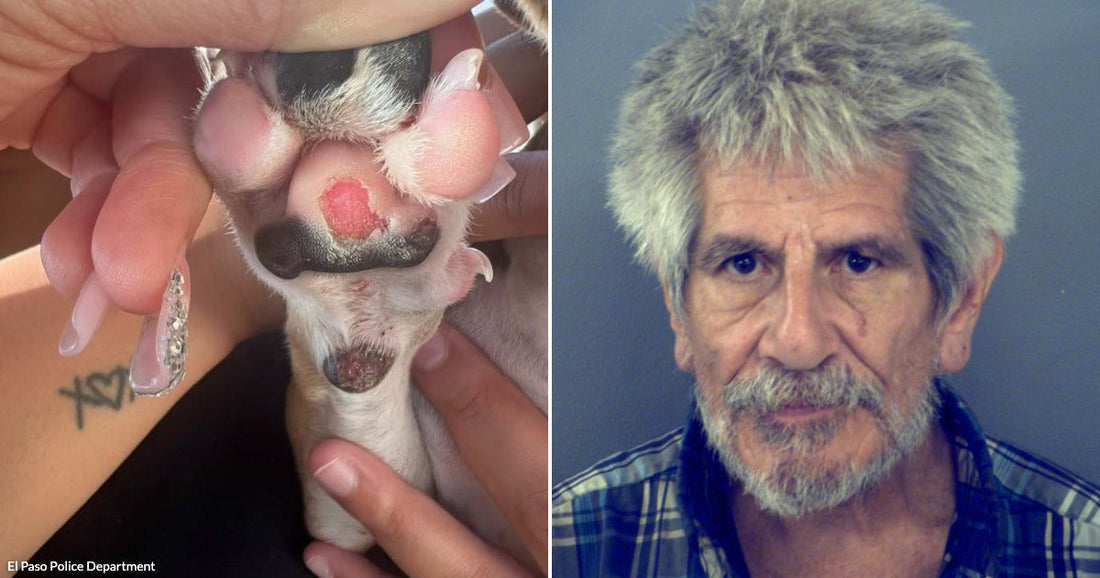
The recent arrest of an El Paso man in a new puppy abuse case has renewed concern about how communities respond to repeat animal cruelty. The El Paso Police Department reports that 73-year-old Carlos Jose Fernandez, already convicted of cruelty to non-livestock animals, is now facing fresh allegations involving a 2-month-old puppy. For anyone who follows animal cruelty cases, this story is deeply troubling and underscores the importance of strong protections for vulnerable animals.
According to details released by the El Paso Police Department’s Animal Cruelty Unit, the latest incident occurred on July 8. A witness reported seeing Fernandez drag and kick a very young puppy across hot pavement. Investigators say the witness also described Fernandez pulling on the puppy’s collar so forcefully that he allegedly restricted the animal’s airway. The scene reportedly continued until Fernandez placed the puppy inside a shopping bag. The cruelty described in this report is severe, and the fact that the dog was only 2 months old makes the allegations even more disturbing.

El Paso Police Department
Police say Fernandez voluntarily relinquished ownership of the puppy. Once removed from his care, the animal was taken for a veterinary exam. The findings, as reported by the El Paso Police Department, were grim. The veterinarian confirmed the puppy had burns on all four paws, injuries that are consistent with prolonged exposure to extremely hot surfaces like pavement in Texas summer heat. In addition, the exam revealed a fractured rib. Together these injuries paint a picture of significant suffering for a very small and defenseless animal.
Following the investigation, authorities charged Fernandez with two counts of cruelty to non-livestock animals categorized as torture. He was booked into the El Paso County Detention Facility on Sunday, August 15, with a total bond set at 50,000 dollars. In addition to the cruelty charges, Fernandez was issued a citation for unlawful possession of a canine. Jail records indicate that he remained in custody as of Wednesday, August 19.

El Paso Police Department
What makes this case especially alarming for many observers is that it is not Fernandez’s first serious encounter with the criminal justice system over animal cruelty. In 2022, he was arrested in connection with another case in which he was accused of torturing a small puppy at Ponder Park in El Paso. That earlier incident led to a conviction for cruelty to non-livestock animals by torture. On February 8, 2024, a judge sentenced him to five years in prison. However, that prison term was suspended, and Fernandez was placed on five years of probation instead.
The suspended prison sentence meant that instead of serving time behind bars, Fernandez had the opportunity to remain in the community under supervision. A review hearing related to the 2022 case is scheduled for August 21 at 10 a.m. before Judge William E. Moody. The new allegations could play a major role in that hearing, since courts often reconsider probation terms if a person is accused of similar conduct while under supervision. Many readers may find it striking that someone already convicted of animal torture was still in a position where another puppy could be harmed.

El Paso Police Department
The new case has drawn attention to how repeat animal cruelty is handled in the legal system. While the reporting does not delve into broader policy debates, the facts alone raise clear questions. When a person has a documented history of cruelty to animals, how can communities and agencies best prevent further harm? What level of supervision and intervention is sufficient, particularly when the prior offense also involved torture of a puppy? Even without venturing into legal analysis or opinion, it is hard to ignore how this particular sequence of events highlights gaps in protection for animals that cannot speak for themselves.
For advocates and everyday pet lovers, the story also reinforces the importance of witnesses stepping forward. In this case, a witness’s report was central to launching the Animal Cruelty Unit’s investigation. That call resulted in the puppy being removed from danger, receiving veterinary care, and being placed with El Paso Animal Services for continued treatment and recovery. The prompt response by that witness and by law enforcement likely spared the animal further harm. I found this detail striking because it shows how one person’s willingness to intervene can alter the trajectory of an animal’s life.
The condition of the puppy as described in the report offers a difficult but important reminder of what animal cruelty can look like in real life. Burns on all four paws suggest that the puppy was forced to remain on a scorching surface far longer than any safe period. A fractured rib is a serious injury that can cause pain with every breath. These are not minor issues that heal quickly without care. They are the kinds of injuries that require veterinary attention and time, and they can leave lasting physical and emotional scars on young animals.
The role of local agencies, from the Animal Cruelty Unit to El Paso Animal Services, is central to the story. Officers investigated, documented the witness account, and coordinated the veterinary evaluation. Animal services staff then stepped in to ensure the puppy would continue to receive care. Although the article does not provide follow up on the animal’s long-term outcome, the transfer to a professional care setting gives at least some reassurance that the puppy is no longer in immediate danger. It also highlights how coordinated responses across departments can make a meaningful difference in an animal cruelty case.
For readers, cases like this can be emotionally difficult to engage with, but they also emphasize why awareness of animal cruelty laws and reporting mechanisms matters. Recognizing the signs of distress, injury, or neglect and knowing when to contact local authorities can save lives. The El Paso case is a sobering example of suspected abuse that spanned more than one incident, across multiple years, involving extremely young puppies. While the courts will address the legal questions, the public’s role in staying attentive and compassionate remains a powerful tool for prevention.
As this case moves toward its review hearing and the new charges proceed, many will be following to see what accountability and protections emerge. For now, the facts as reported show a community responding through its justice system and animal welfare agencies, a vulnerable puppy receiving medical care, and an alleged repeat offender in custody awaiting further legal action. It is a serious and unsettling story that underscores both the harm that can be inflicted on animals and the responsibility humans share to intervene when cruelty is suspected.
Read more at https://www.aol.com/articles/el-paso-man-convicted-animal-225755000.html