
Smugglers Sedated and Bound 14 Toucans Before Hiding Them Inside a Car Dashboard
Guest Contributor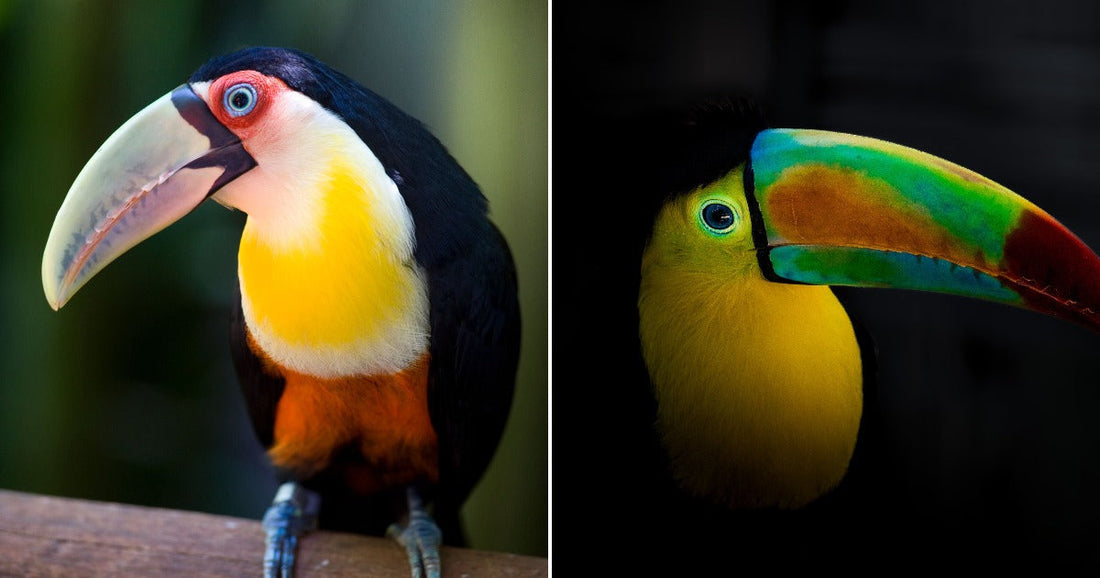
Fourteen keel-billed toucans, once crammed inside the dashboard of a vehicle at the US-Mexico border, are now recovering and beginning new roles in conservation breeding and education. Their story highlights both the cruelty of wildlife trafficking and the extraordinary effort that goes into giving rescued wild animals a second chance. It is also a powerful reminder of why wildlife crime, from the illegal pet trade to smuggling of protected species, threatens animals far beyond the individual victims.
The birds were intercepted at the Otay Mesa port of entry in California, where US Fish and Wildlife Service agents discovered them hidden in a vehicle. The toucans had reportedly been sedated and bound to limit movement and noise before being stashed inside the dashboard. For a species built to glide through tropical forests, this kind of confinement is both dangerous and deeply stressful, and the physical toll became painfully clear once they were rescued.

Keel-billed toucans are protected by the Wild Bird Conservation Act and are listed under the Convention on International Trade in Endangered Species (CITES). That legal status should limit and closely regulate any international trade. In reality, the continued demand for exotic pets keeps driving attempts to smuggle these birds, often in exactly the kind of harsh conditions this group experienced. The animals involved are not just numbers in a seizure report. They are individuals that have endured trauma, and many do not survive.
In this case, after the confiscation, responsibility for the birds shifted quickly to animal care experts. The Wildlife Conservation Society’s Bronx Zoo stepped in to help US Fish and Wildlife Service, taking in all 14 toucans on July 31, 2025. When they arrived at the zoo, the birds showed signs of malnutrition, severe stress, and metabolic problems. Many wild birds that are trafficked this way have gone through days without proper food, water, or space to move, and their bodies begin to break down under that strain.

What followed was a months-long rehabilitation effort by the Bronx Zoo’s Ornithology and Zoological Health Departments. Curator of Ornithology Chuck Cerbini described how the animal care and veterinary teams stabilized and rehabilitated the toucans through coordinated, specialized care. That likely involved carefully managed nutrition, veterinary treatment for injuries and internal issues, and a gradual reintroduction to appropriate perches, social contact, and enrichment. Although the article did not detail every step, the outcome makes clear that their patient approach worked.
The recovery was significant. All 14 birds improved enough to leave intensive care and move on to long-term placements. Ten toucans were transferred to Association of Zoos and Aquariums (AZA) accredited institutions where they will contribute to conservation breeding programs and public education efforts. Within accredited zoos, these birds can serve as ambassadors for their species, helping visitors understand the threats facing tropical forest wildlife and the impact of the illegal pet trade.
The remaining four toucans stayed at the Bronx Zoo. Two of them had suffered fractured legs, injuries associated with the effects of malnutrition, and had to heal before they could be safely placed. Even after their recovery, all four will remain under professional care. Two males are now visible to visitors in the Bronx Zoo’s World of Birds exhibit. The other two, a future breeding pair, live off-exhibit where they can be managed more quietly as part of a longer-term conservation plan.
For many readers, one of the most sobering details is that none of these toucans can be returned to the wild. Once birds have been trafficked, sedated, malnourished, and kept in such unnatural conditions, they typically lose essential survival skills, and their health can be permanently compromised. Released birds in this situation might quickly succumb to predators, starvation, or disease. Ethical wildlife rehabilitation for trafficked animals often means accepting that safe captivity is the best available option for their welfare and, in some cases, for their species.
Keel-billed toucans are native to tropical forests across Mexico, Central America, and parts of South America. They are listed as Near Threatened by the International Union for Conservation of Nature (IUCN). The main pressures they face are deforestation and capture for the pet trade. Cutting down forests eliminates both nesting sites and feeding grounds, while trapping removes adult birds from already stressed populations. As a CITES Appendix II species, any legal trade in keel-billed toucans is supposed to be tightly controlled to ensure it does not harm wild populations, yet illegal trafficking continues.
Organizations like the Wildlife Conservation Society are trying to address those threats from multiple angles. In addition to caring for confiscated animals, WCS works across the toucan’s range to protect nature strongholds in Mexico, Central America, and South America. That includes supporting habitat conservation efforts and working to stop wildlife poaching at the source. Preventing capture in the first place is the most effective way to protect both individual animals and wild populations.
The Association of Zoos and Aquariums also plays a key role through its Wildlife Confiscations Network, which coordinates with law enforcement and accredited facilities. Sara Walker, Senior Advisor on Wildlife Trafficking at AZA, described how the network supports officials at the point of confiscation, oversees animal recovery, and helps find placements when return to the wild is not an option. Over the past three years, the network has helped place more than 4,000 animals, and the successful outcome for these toucans is one story within that broader effort.
This rescue also underscores the importance of accredited zoos and aquariums in modern conservation. When people think about conservation, they might picture fieldwork in remote forests, yet behind-the-scenes work in urban zoos is just as vital. Skilled animal care staff, veterinarians, and coordinated breeding programs help sustain populations of threatened species under human care and provide a safety net when wildlife crime disrupts lives. The fact that seven different AZA-accredited institutions collaborated to receive these toucans reflects how much planning and partnership are required to respond to just one confiscation case.
I found this detail striking: without quick action at the border, careful veterinary work during rehabilitation, and a ready network of zoos prepared to offer permanent homes, this story could have ended in silence. Instead, the toucans that once rode hidden in a car dashboard are now poised to spark conversations with thousands of visitors about wildlife trafficking, habitat loss, and the choices people make when they encounter wild animals for sale. Sharing their story may help reduce demand for illegally traded pets and build support for stronger protections of tropical forests and the birds that depend on them.
At a time when news about wildlife often focuses on loss, this case offers a measure of hope grounded in concrete action. It shows that when law enforcement, conservation organizations, and accredited zoos work together, even the victims of serious wildlife crime can recover enough to play an active role in educating the public and supporting the future of their species. Read more at https://www.goodnewsnetwork.org