
Orphaned Rhino Finally Grows Strong Enough to Leave Her Rescuers Behind
Guest Contributor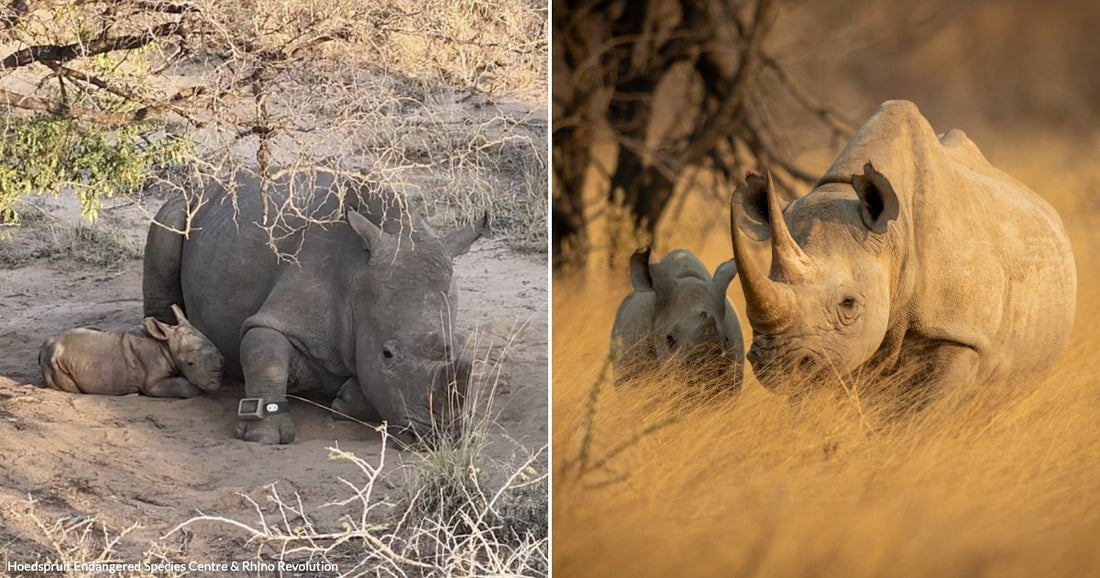
World Rhino Day delivered a powerful dose of hope this year with the story of Lula, a once-orphaned rhino who has just welcomed her first calf in the wild. Rescued as a terrified four-month-old and raised by the Hoedspruit Endangered Species Centre (HESC) in South Africa, Lula has gone from victim of poaching to proud mother, and her journey shows how rhino rescue and rehabilitation can lead to genuine, lasting conservation success.
Lula’s story began in tragedy. As a tiny calf, she witnessed her mother killed by poachers, then arrived at HESC in Hoedspruit deeply distressed and alone. According to HESC, she was just four months old and terrified when she came into their care. For a young rhino, the loss of a mother is not only emotional but life threatening, as calves rely completely on their mothers for protection, nourishment, and learning how to navigate the bush. That Lula survived at all is already remarkable. That she is now thriving as a mother herself is something even more extraordinary.

At HESC, Lula did not heal alone. She formed a close bond with another orphaned rhino, Khulula, who arrived shortly after her. Khulula had also lost her mother to poachers and was found smeared in blood beside her slain parent, aggressive and skittish for a long time. HESC describes how the two young rhinos began bonding through the boma fence, slowly building trust with each other as well as with the dedicated curators who cared for them. With time and what HESC calls the “endless patience” of its team, Lula and Khulula settled, grew stronger, and learned to feel safe again.
The partnership between Lula and Khulula highlights one of the quiet strengths of many successful wildlife rehabilitation programs. Orphaned animals that have experienced trauma often respond strongly to companionship. In this case, the friendship between the two calves helped both of them adjust to their new reality, while the structured care at HESC ensured they received medical support, nutrition, and the gradual rewilding they would need to one day survive without human help.

The first major milestone for the pair came in October 2024, when both Lula and Khulula were released back into the wild as young adults. After years of careful preparation, they finally left the relative safety of human-managed care and returned to the landscapes where rhinos belong. Release back into the wild is never guaranteed for rescued wildlife, and each successful return is the result of extensive planning, monitoring, and training that helps animals reacquire natural instincts. For HESC, seeing two rhino orphans reach this point was a significant achievement.
Nearly two years after that release, Lula has now reached an even more meaningful chapter. On 7 September 2026, she gave birth to a healthy calf, a little bull, in the wild. The timing of the news could not have been more symbolic, as it was shared publicly on World Rhino Day. Updates from the reserve report that both mom and baby are doing well. In his first few days, the calf stayed close to cover, keeping near Lula as he adjusted to his new surroundings. Very quickly, though, his natural curiosity began to shine through, and he has already started venturing out and exploring more of the reserve under his mother’s watchful eye.

Hoedspruit Endangered Species Centre & Rhino Revolution
There is also a touching detail in the story of this new arrival. Lula has frequently been seen in the company of another rescued and released rhino named Ubuntu. Observers believe there is a strong chance that Ubuntu is the father of her calf. If that is confirmed, it would mean that two rhinos, each given a second chance by different organisations after devastating starts in life, found each other in the wild and produced a healthy baby. HESC describes this calf as “living proof of what these rehabilitation programmes are for,” a phrase that captures how individual rescue stories can translate into real conservation impact.
What makes this birth particularly moving is how completely it reverses Lula’s beginning. She was once an orphan because of poaching, a victim of the very pressures that threaten rhinos across Africa. Today, she is contributing to the next generation of her species, not in captivity but out in the bush where rhinos evolved to live. I found this detail striking because it encapsulates the goal of so many conservation efforts: not only to save animals in crisis, but to help them return to a life that is as wild and independent as possible.
Lula’s calf is also a reminder of how complex and long-term rhino conservation work really is. Behind this single birth lies a network of staff, funding, security measures, veterinary care, and habitat management that made her journey possible. HESC has rescued 19 rhinos to date, with 12 of them successfully released back into the wild. Each rescue involves emergency response, rehabilitation, and years of planning for eventual release. Successes like Lula’s calf show that these investments can pay off, not just for individuals but for rhino populations more broadly.
To ensure more stories like Lula’s, HESC is working on its Reviving For Rewilding project, which aims to prepare a larger, more natural space for the rhinos still in its care. The plan involves clearing the land where necessary, repairing roads and fences, and upgrading security so that rhinos can move into an environment with more space and less human contact as they progress through their rehabilitation. This next-step habitat is an important bridge between a protected, human-supported setting and complete independence in the wild.
Efforts like Reviving For Rewilding point to an essential reality in conservation: saving threatened species is not only about rescue, it is about creating safe, functional landscapes in which those animals can eventually thrive. Secure fencing, well-maintained roads for patrols, and effective security measures are all part of protecting rhinos from poachers. At the same time, reducing daily human interaction helps rehabilitated rhinos refine their natural behaviors and become more self-reliant. Lula’s path from the HESC bomas to successful motherhood helps show why every stage of this process matters.
Members of the public can participate in this work in practical ways. HESC provides opportunities to support Reviving For Rewilding directly, as well as programs that allow people to “foster” a rhino in rehabilitation and contribute to its care. These forms of support help cover the costs of food, veterinary attention, security, and ongoing habitat improvements. While a single donation might feel small when set against the scale of the poaching crisis, the outcome of many such contributions is visible in stories like Lula’s, where years of steady care have added up to a new life in the wild.
Lula’s new calf arrived in a world where rhinos still face significant threats, yet his very existence carries a hopeful message. He represents survival, resilience, and the power of coordinated action between people and organisations determined to protect wildlife. From a frightened calf who lost her mother to a confident rhino raising her own baby, Lula has completed a remarkable circle that illustrates what conservation can achieve when it is patient, compassionate, and persistent. As her young bull explores his surroundings under her guidance, he stands as a small but powerful symbol that, even in challenging times, there are real reasons for optimism about the future of rhinos.