
Retired Army Veteran’s Rise as Pro Para Athlete Inspires Resilience
Guest Contributor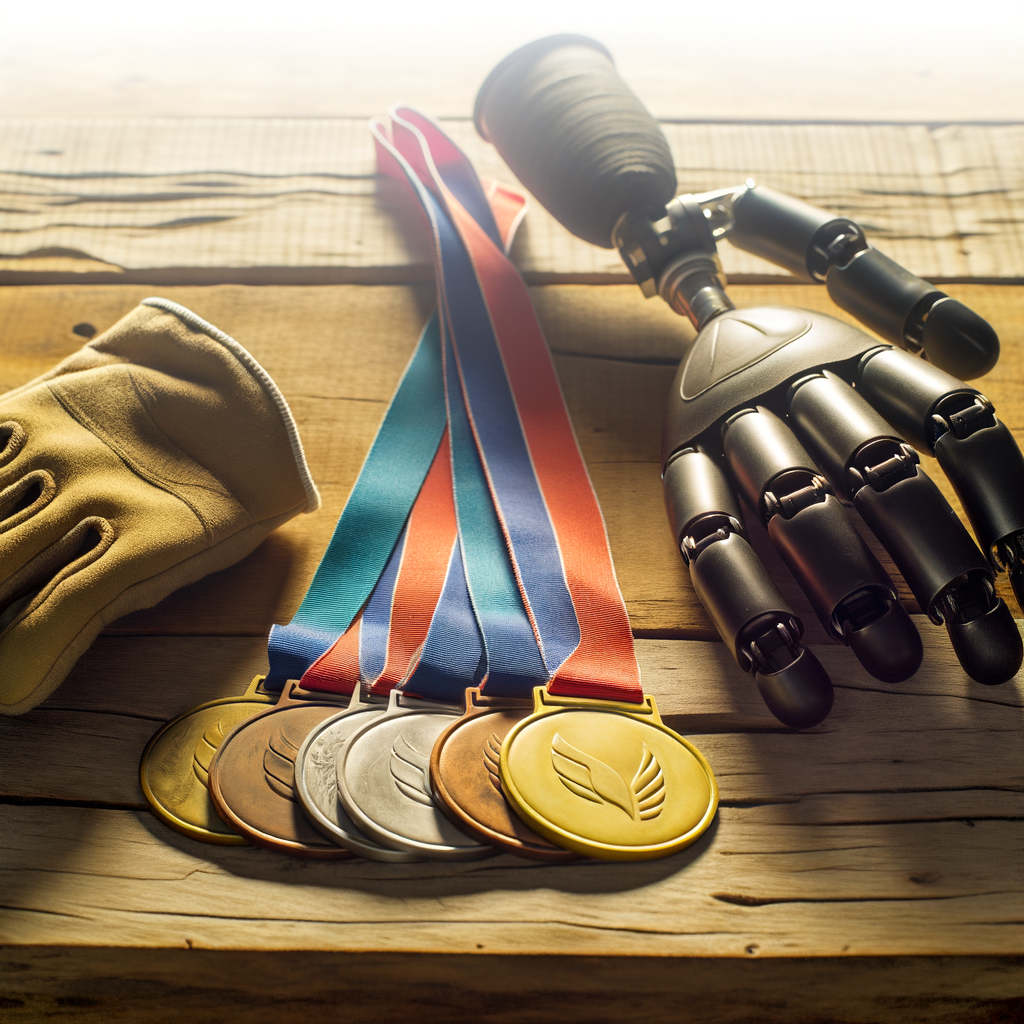
In a story that exemplifies resilience and transformation, retired Army Sergeant Brian “Big Country” Conwell is making national headlines as a pro para athlete. After a devastating accident ended his military career and left him with life-altering injuries, Conwell has emerged as a powerhouse in adaptive sports. Recently, he placed third in the United States for seated discus throw at the track and field nationals in Eugene, Oregon. This remarkable achievement not only marks a personal milestone but also highlights the growing recognition of disabled veterans in competitive sports.

The journey to this point has been anything but easy. Conwell, who served as a soldier and officer for more than nine years, experienced a life-changing event in 2014. While on a routine errand to pick up food for his troops near Fort Riley in Kansas, he hit black ice and plummeted down a 150-foot ravine. The crash crushed both of his legs, leading to the loss of his left leg above the knee and a limb salvage procedure on the right. The incident abruptly ended his military service and ushered in a long period of physical and emotional recovery.
According to the report, Conwell spent six years in isolation, battling depression and even contemplating suicide. He described himself during that time as weighing 415 pounds, living in a darkened home, and feeling disconnected from the world. It was a bleak chapter that many veterans, unfortunately, can relate to. But Conwell’s story took a turn when he decided to challenge the limitations placed upon him. Determined to walk again and reclaim his life, he began the arduous process of physical rehabilitation.
One of the most poignant moments in his recovery came when he surprised his then 20-year-old son by walking around a corner using a prosthetic leg. It was the first time his son had seen him stand in five years. Both father and son were overwhelmed with emotion, a testament to the power of perseverance and familial bonds. I found this detail striking—it underscores how deeply personal victories can resonate beyond the individual, touching the lives of loved ones in profound ways.
In the three years since obtaining his Paralympic license, Conwell has accumulated 16 medals in adaptive sports. His recent third-place finish at nationals in the seated discus throw is especially significant, as it places him among the top para athletes in the country. He described the event as the “Super Bowl for track and field,” a sentiment that reflects the high caliber of competition and the sense of accomplishment felt by those who qualify.
Conwell’s achievements have not gone unnoticed by his former comrades. Many of the soldiers he once led have expressed admiration for his transformation, with some saying they never imagined seeing him excel as a professional athlete. This recognition speaks volumes about the enduring respect and camaraderie among service members, as well as the inspirational nature of Conwell’s journey.
Beyond personal accolades, Conwell has channeled his experience into helping others. He founded a nonprofit organization called “Veteran’s Battlegrounds,” aimed at encouraging disabled veterans to pursue active, healthy lifestyles through fitness and community. The initiative is already looking ahead to a major 2028 competition that will include participation from UK para athletes. This forward-thinking approach not only builds international camaraderie but also expands opportunities for adaptive athletes worldwide.
Conwell’s story also sheds light on the broader world of adaptive sports and the role they play in rehabilitation and empowerment. By participating in events like the seated discus throw and even deadlifting 400 pounds—an impressive feat by any standard—he is challenging preconceived notions about disability and athleticism. His message is clear: “Disability can be a superpower to live your best life. You just gotta be willing to get comfortable being uncomfortable.”
As he sets his sights on making Team USA for the 2028 Paralympics in Los Angeles, Conwell remains grounded in the leadership skills he honed during his time in the Army. He continues to mentor other adaptive athletes, viewing them as “soldiers” who still need guidance and support. This mindset not only reflects his military background but also reinforces the idea that leadership and service can take many forms, even after active duty ends.
For those interested in learning more about his incredible story, a documentary is set to be released soon. In the meantime, listeners can hear a full interview with Sgt. Big Country on the “Run The Race” podcast, available through WTVM’s website, Apple, and Spotify. His journey from a traumatic accident to national athletic success is a powerful reminder of the human capacity for resilience, and it continues to inspire veterans and civilians alike.