
🚨Urgent: Missile Strikes Shelter in Ukraine! Rush Emergency Aid!
Rumer Willis Says Bruce Willis May Not Recognize Her but He Can Still Feel Her Love
Guest Contributor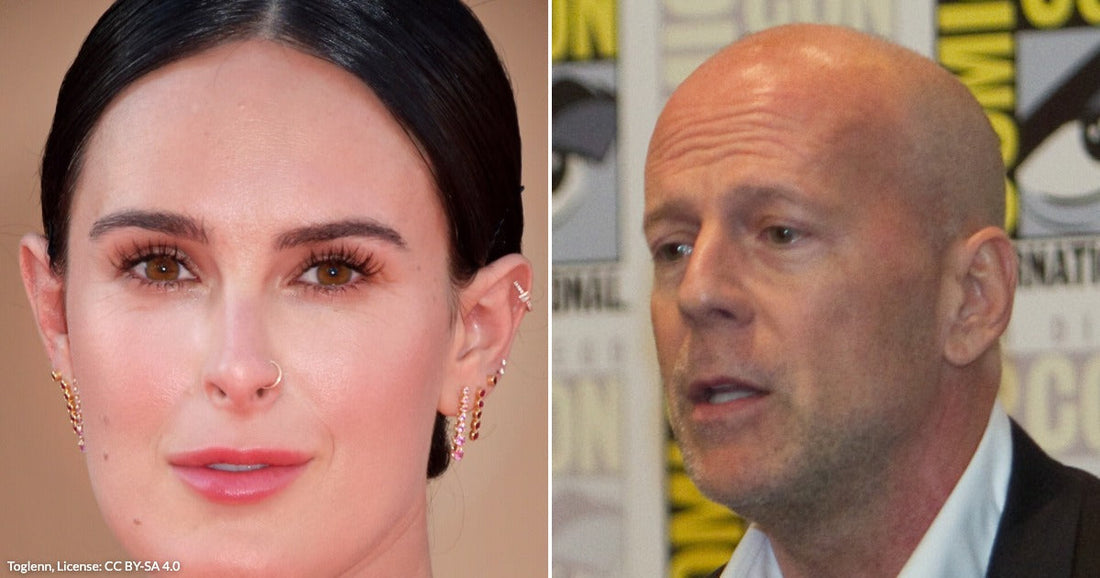
Rumer Willis is offering a candid, emotional window into her father Bruce Willis’ ongoing struggle with frontotemporal dementia. In a recent Instagram Q&A, a fan asked how her dad was doing, and her answer captured both the harsh reality of frontotemporal dementia and the deep love that still defines their relationship. For anyone following Bruce Willis’ health journey or searching for insight into what families face with FTD, Rumer’s words resonate with a sober, heartfelt honesty.
When asked about her father’s condition, Rumer explained that it is difficult to respond simply because of what frontotemporal dementia actually is. She shared that “anybody with FTD is not doing great,” underlining the progressive and challenging nature of the disease. At the same time, she said that in the context of someone living with frontotemporal dementia, Bruce is “doing OK.” Her answer neither sugarcoated his reality nor slipped into hopelessness. It acknowledged that FTD is serious and life changing while still recognizing that meaningful moments are possible within those limits.

Toglenn, License: CC BY-SA 4.0
What stood out even more was how Rumer described their time together. She spoke about how grateful she feels that she can still go and hug her father. Whether he recognizes her or not, she believes that he can feel the love she brings to him and that she can feel love from him in return. For her, that emotional exchange matters as much as verbal recognition. She mentioned that she still sees a “spark” of him and that this spark, along with the presence of love, is something she treasures. For many families affected by dementia, this idea that connection can exist beyond words, memory, or full awareness is both painful and comforting.
Bruce Willis’ frontotemporal dementia has led to significant changes in his daily life and his living situation. At 70, he is now living in a second home that is separate from the family’s primary residence. There he is supported by a round-the-clock care team focused on his evolving medical and personal needs. His wife, Emma Heming Willis, and his daughters visit him regularly. Bruce shares three older daughters, Rumer, Scout, and Tallulah, with ex-wife Demi Moore, and two younger daughters, Mabel and Evelyn, with Heming Willis. The family’s ongoing involvement speaks to the strong bonds that remain even as the disease progresses.

Cameron Yee, License: CC BY 2.0
Emma Heming Willis has been open about how difficult it was to reach the decision for Bruce to move into a separate home. In an ABC special titled “Emma and Bruce Willis: The Unexpected Journey – A Diane Sawyer Special,” she described the move as one of the hardest choices she has had to make so far. She explained that, in her view, Bruce would want their daughters to live in a home that is tailored to their needs, rather than shaped around the demands of his illness. This framing highlights the complex balance caregivers often try to strike between the needs of the person receiving care and the wellbeing of younger family members.
Heming Willis shares more of that internal struggle and practical caregiving reality in her book, “The Unexpected Journey: Finding Strength, Hope, and Yourself on the Caregiving Path.” In it, she reflects on how creating physical and emotional space between Bruce and their younger daughters is, in part, a way of preparing them for his eventual death. She acknowledges how “dark and jarring” this sounds, yet calls it the harsh reality she must navigate to protect their girls. That kind of statement can feel stark, but it aligns with what many caregivers experience when facing a progressive, incurable condition: the need to plan for loss while still caring day to day.
One especially delicate part of the process has been explaining the new living arrangement to their daughters, Mabel and Evelyn. Heming Willis recalled how she spoke directly to them about the shift in care. She told them that they had reached a point in their father’s disease where his needs had changed and his care had to be more precisely tailored to him. At the same time, she emphasized that the girls deserved a home more centered on their needs and routines. She also pointed out that Bruce would want them to have the freedom to enjoy playdates, sleepovers, and the simple pleasures of childhood that had been harder to accommodate while all living together.
To help ease that transition, Heming Willis described Bruce’s new home to the girls as a place where they could keep personal items like toys, arts and crafts supplies, bathing suits, pajamas, and games. It would be a space where they could go and stay with him whenever they wanted, not a distant or closed-off facility. This approach underscores a key idea in dementia caregiving: even when living arrangements change, families often strive to maintain a sense of continuity, comfort, and choice for children and loved ones.
Bruce Willis’ health journey first became public in March 2022 when his family announced he had been diagnosed with aphasia, a language disorder that affects the ability to communicate. By the following year, they shared that his condition had progressed to frontotemporal dementia. FTD is a progressive brain disease that can impact behavior, communication, and mobility, and it often appears earlier in life than some other forms of dementia. The announcement helped bring more public attention to frontotemporal dementia, a condition that is still less widely understood than Alzheimer’s disease.
Rumer Willis’ recent update continues that openness. Her description of being “so happy and grateful” to still hug her father and feel a spark of him is honest about what has been lost yet also focused on what remains. It acknowledges the grief that accompanies frontotemporal dementia while emphasizing that love and connection do not vanish overnight. For those watching from the outside, her words illustrate the emotional complexity that families live with every day: sorrow and gratitude, acceptance and hope, all existing at once.
I found it striking how both Rumer and Emma speak directly about the reality of Bruce Willis’ dementia while still centering compassion, dignity, and family connection. Their candor offers a glimpse into the caregiving path many families walk in private. It also reflects a broader truth about life with frontotemporal dementia: even as abilities change and memories fade, small moments of presence, touch, and shared emotion can still carry enormous meaning.