
A Report Of Multiple Dogs Being Killed Led Police To One Man
Guest Contributor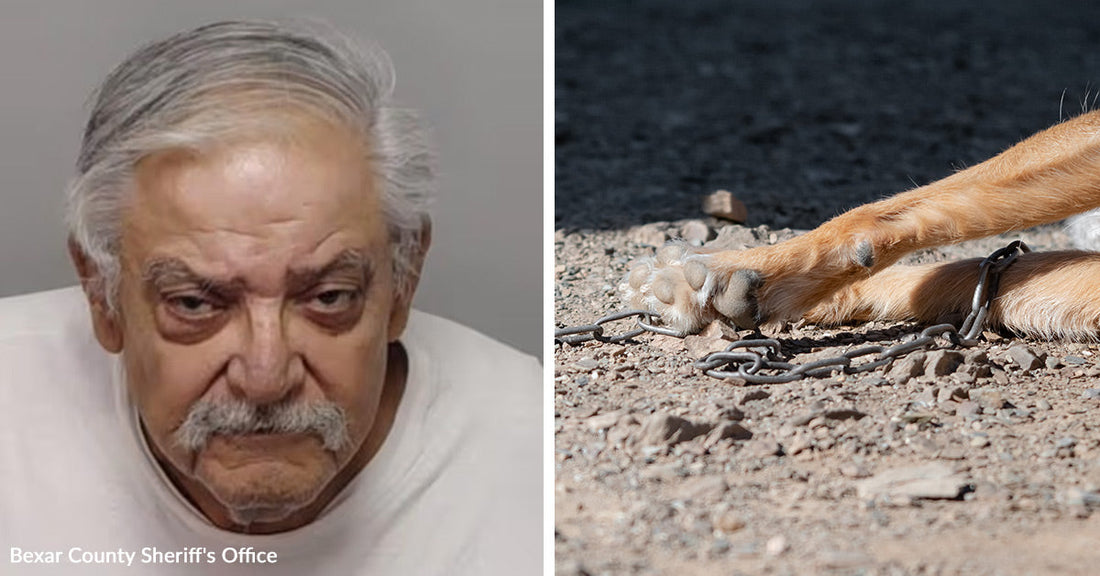
The report of a man charged with animal cruelty on San Antonio’s Southwest Side is deeply unsettling and carries a somber weight that is hard to ignore. According to San Antonio police, officers responding to a report of dogs being killed arrived at a home on Cavalier Avenue and discovered several dead dogs on the property. The case, involving multiple dead dogs and a serious charge of cruelty to non-livestock animals, has sparked renewed attention on how communities respond when vulnerable animals are in danger.
Authorities identified the suspect as 76-year-old Raul Canales Jr. Bexar County court records indicate that he faces four counts of cruelty to non-livestock animals. These charges reflect the seriousness with which the law views alleged abuse involving household pets. Instances of dog abuse, especially those resulting in death, are treated not only as legal violations but also as breaches of a basic moral responsibility toward animals that depend on people for care and protection.

Officers were called to the scene shortly after 1:35 p.m. on Sunday following a report that Canales was killing dogs. The timing and specificity of the report suggest someone in the area felt compelled to alert law enforcement as quickly as possible. When officers arrived at the residence in the 500 block of Cavalier Avenue, San Antonio Police Department officials said they found Canales at the property and discovered several dead dogs there. The image that detail creates is stark and distressing, and it underscores the importance of community members speaking up when they see or suspect cruelty.
Animal cruelty cases often begin with a single phone call or report, and this situation appears to be no different. While the report does not detail who contacted authorities, the fact that officers were dispatched and took immediate action shows how vital community involvement can be. When neighbors, passersby, or concerned citizens choose to act, they become a crucial first step in protecting animals who cannot protect themselves. I found this detail striking because it highlights how public awareness and quick responses can make a tangible difference, both in stopping harm and in initiating investigations.
Once law enforcement made the initial discovery, Animal Care Services also responded to the scene to investigate. According to the report, the agency took custody of all other living animals found on the property. That step is a key part of how dog welfare and animal safety are handled in serious cruelty cases. Removing the remaining animals from the environment allows professionals to assess their health, provide needed medical care, and place them in safer conditions. It also helps ensure that any further potential harm is prevented while the legal process unfolds.
Animal Care Services plays an important role in situations like this, working alongside the police to gather information and protect the remaining animals. Their involvement signals that the case is being approached not only from a criminal justice perspective but also from an animal welfare standpoint. Veterinary evaluations, behavioral assessments, and documentation of the animals’ conditions can all become part of the larger picture of what happened, and can later inform both legal decisions and future placements for the animals.
According to jail records, Canales was booked into the Bexar County Adult Detention Center. The report notes that his bond was set at 100,000 dollars. A bond at that level reflects the significant nature of the allegations and the seriousness with which such cases are viewed. While bond is not a judgment of guilt or innocence, it is one of the first formal indications of how the system is responding to the charges. It also marks the beginning of what can be a long process that involves courts, attorneys, investigators, and sometimes expert witnesses who speak to the impact of cruelty on animals.
Legally, cruelty to non-livestock animals covers a wide range of acts that cause unnecessary suffering, injury, or death to animals such as dogs and cats. Although the article does not go into the specific details of what allegedly occurred at the property on Cavalier Avenue, the presence of several dead dogs and multiple cruelty charges signals a grave situation. In local communities and in broader discussions about dog abuse, cases like this often become reference points when people talk about how to improve animal protection laws, encourage reporting, and support rescue organizations.
The emotional impact of hearing that multiple dead dogs were discovered at a single residence is hard to overstate. For many people, dogs are family members and companions who offer loyalty, affection, and a sense of security. When stories like this surface, they can trigger both grief and anger, as well as a determination to prevent future incidents. Some may respond by supporting local shelters or advocating for stronger enforcement of existing cruelty laws. Others may choose to learn more about the signs of neglect or abuse so they can recognize and report potential problems earlier.
In a broader sense, this case reinforces the idea that animal safety begins at the community level. Law enforcement and Animal Care Services can only act when they know something is wrong, which means that public vigilance matters. If someone notices a pattern of distress, unexplained injuries, or a sudden absence of animals that were once visible and active, those observations can be crucial pieces of information. The report from Cavalier Avenue serves as a sobering reminder that stepping forward with concerns about animal welfare can sometimes bring a hidden situation into the light.
This story also highlights the interconnected roles of police, animal control agencies, and the judicial system. From the initial call about possible animal killings to the officers’ discovery of the dead dogs, from the involvement of Animal Care Services to the booking of a suspect into the detention center, each step builds on the last. Together these steps form a process intended to protect surviving animals, determine what happened, and hold individuals accountable if the evidence supports the charges.
As the case moves forward, many questions will likely remain unanswered in the public realm, especially since investigations and court proceedings often unfold over time. What is clear from the available information is that multiple dogs lost their lives and that authorities responded quickly and decisively to the report. For residents of San Antonio’s Southwest Side and beyond, this incident may serve as a somber call to continue prioritizing the humane treatment of animals and to remain attentive to signs that something might be wrong in their neighborhoods. Communities that value compassion and responsibility toward all living beings are often the ones most capable of preventing future tragedies of this nature. Read more at https://www.ksat.com