
Burrowing Owl Becomes Completely Trapped in Glue Until Rescuers Spend Days Fighting to Save Him
Guest Contributor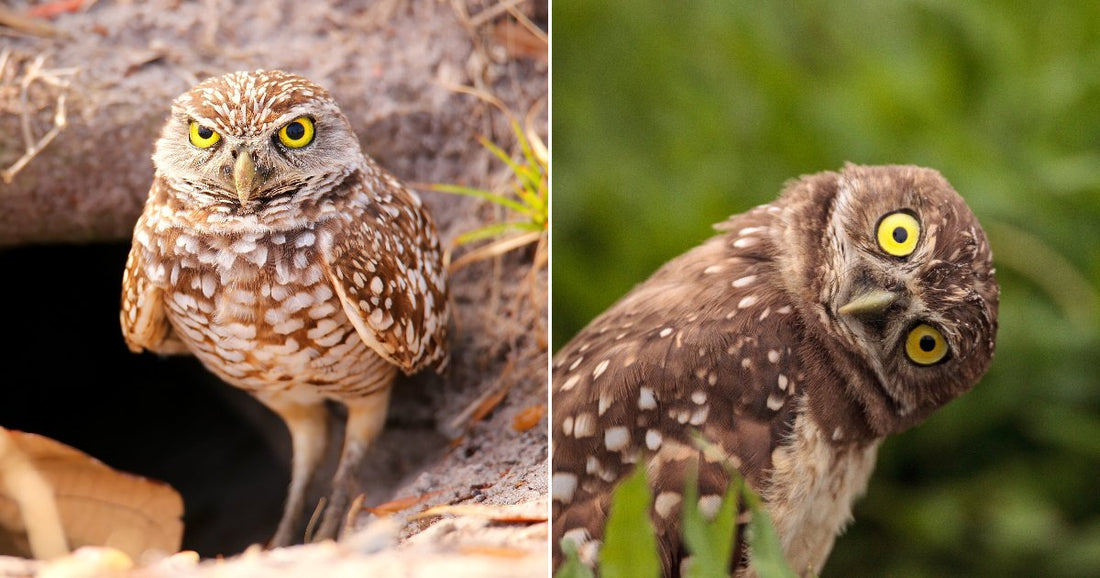
The quiet beaches and neighborhoods of Sanibel Island are home to many wild residents, and one of the most charismatic is the burrowing owl. Recently, one of these small, wide-eyed birds became the center of a dramatic wildlife rescue story after it was discovered trapped on a glue board. What unfolded was a careful, compassionate effort to save a life and a powerful reminder of how harmful glue traps can be for unintended victims in the natural world.
According to the Clinic for the Rehabilitation of Wildlife on Sanibel Island, known locally as CROW, the rescue began with a single urgent phone call. Someone had stumbled upon an adult burrowing owl completely immobilized on a glue trap and recognized immediately that the situation was an emergency. CROW staff later described the bird as “lucky” because, despite the frightening scene, it appeared to have no major injuries once the glue was removed.

The initial condition of the bird was deeply troubling for those who treat wildlife every day. One CROW representative described how emotionally difficult it can be to see animals in such distress, calling the scene “really horrifying.” The owl could not move, pinned to the adhesive surface that is designed to keep pests from escaping. Burrowing owls, like so many non-target animals, have no way to understand what is happening to them when they encounter glue traps. All they know is that they cannot escape, and they often struggle frantically in an attempt to free themselves.
Staff member Amber Strassler explained that these incidents are far from rare. In fact, they occur often enough that the clinic keeps specialized “glue go kits” ready for exactly this kind of situation. That level of readiness shows how common glue trap rescues have become for wildlife professionals. Strassler credited the quick-thinking individual who reported the owl for preventing an even worse outcome, noting how important it was that the finder realized right away that the trapped bird needed urgent professional care.

Once the burrowing owl arrived at CROW, the team proceeded carefully. The adult bird was sedated to minimize stress and avoid further injury while staff attempted to remove the adhesive from its feathers and skin. This was not a quick or simple process. The owl required two full rounds of specialized baths designed to loosen and remove the sticky glue. Sedation was essential because a conscious, panicked bird could injure itself further by struggling or could aspirate fluids during the cleaning process.
After the baths, CROW’s rehabilitation team monitored the owl closely. The staff needed to be sure the bird could preen normally, regulate its body temperature, and behave as a healthy wild owl should. Oil or residue left behind from glue and cleaning solutions can interfere with feather function, which is critical for insulation and flight. Over nine days, the bird received focused care while it recovered from the physical toll and stress of its ordeal.

Wildlife advocate Tracy Sanders, who has rescued many burrowing owls from glue traps, described the emotional side of watching an animal in that kind of predicament. She noted how heartbreaking it is that the owls have no way to comprehend why they are stuck. In their panic, they often continue struggling, twisting, and flapping, which can result in broken feathers, joint injuries, or skin damage as they fight the adhesive. That instinctive struggle can turn a dangerous situation into a life-threatening one very quickly.
In this case, the story has a hopeful ending. After nine days of rehabilitation at CROW, the burrowing owl was deemed healthy and ready to return to the wild. Staff released the bird back into its natural habitat where, with clean feathers and restored strength, it could resume its life of hunting, nesting, and watching the world from ground-level burrows and low perches. I found this detail striking because it highlights what is possible when members of the public act quickly and professionals have the tools to respond effectively.
At the same time, the incident underscores ongoing concerns about the use of glue traps outdoors. Wildlife officers noted that these devices are still legal in outdoor settings for now, which means animals such as birds, lizards, small mammals, and even beneficial insects can easily become unintended victims. However, new rules are scheduled to take effect on December 31 that will ban outdoor glue traps in an effort to promote more humane treatment of wildlife. That regulatory change reflects growing recognition that common pest control methods can have far-reaching and often unseen impacts on local ecosystems.
While the upcoming ban represents progress toward more humane practices, the reality is that glue traps remain in use today. In light of that, CROW has a clear message for anyone who encounters an animal stuck on one of these devices. The clinic urges members of the public not to touch or attempt to remove a trapped animal themselves. Although it may be tempting to try to help right away, good intentions can unintentionally lead to more harm. Without proper tools, sedation, and technique, a rescuer may damage feathers or skin, worsen injuries, or cause severe distress.
Instead, CROW recommends that people contact a local wildlife rehabilitation center or appropriate authorities as quickly as possible. Professional responders are trained to handle the intense stress and delicate physical condition of animals in these situations. They also have access to specialized supplies like those “glue go kits” that make it possible to remove adhesive while minimizing further harm. Rapid reporting, followed by expert care, can make the difference between life and death for animals that encounter glue traps.
The rescued burrowing owl from Sanibel Island now stands as an example of what can go right when awareness, compassion, and preparation intersect. A passerby recognized an emergency. Trained staff at CROW responded with both technical skill and empathy. After targeted treatment and nine days of observation, a wild bird returned to the sky. Stories like this highlight the importance of responsible pest control, the value of local wildlife hospitals, and the power of community members who choose to act when they see an animal in trouble.
For those who live in or visit areas shared with wildlife, small changes in everyday choices can reduce risks for animals like the burrowing owl. Selecting humane pest management options, supporting local rehabilitation clinics, and staying informed about rules like the upcoming outdoor glue trap ban can all contribute to safer environments for wild neighbors. The Sanibel rescue shows that while not every outcome can be this fortunate, every informed and compassionate response gives wildlife a better chance to survive and thrive.