
💜 Thanksgiving Food Drive for Shelter Pets Help Us Feed 1 Million Shelter Pets!
NBC Host Sara Gore Announces Breast Cancer Diagnosis in Emotional Segment
Guest Contributor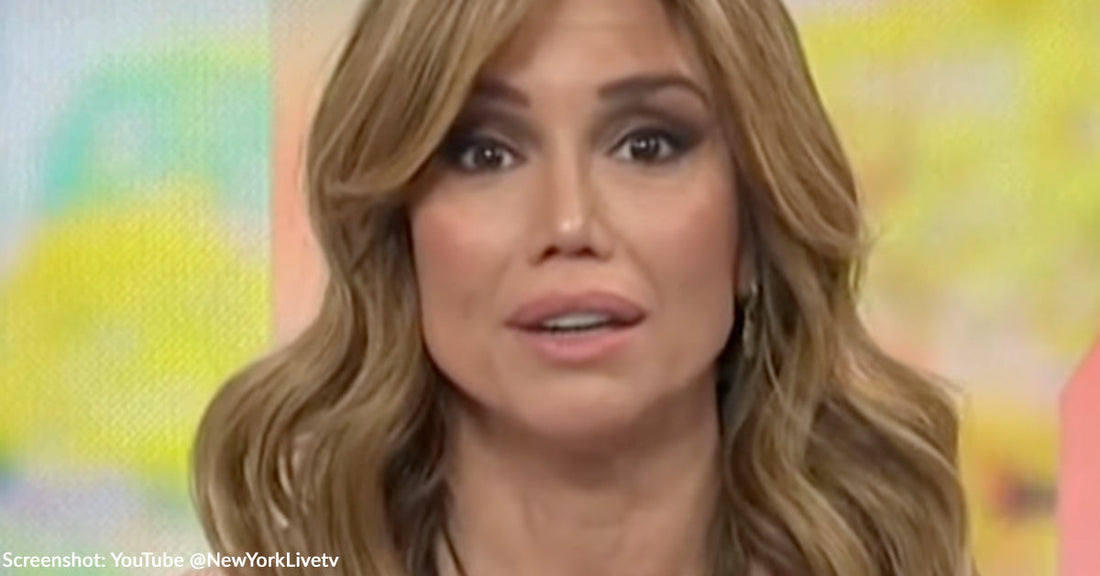
Longtime viewers of NBC New York know Sara Gore as a warm, energetic presence, guiding them through stylish homes on "Open House" and sharing lifestyle stories on "New York Live." Recently, Gore offered a very different kind of story on air. In an emotional segment, the Emmy-winning host announced that she has been diagnosed with breast cancer. Her open, vulnerable message about her diagnosis and upcoming treatment instantly resonated, and it highlights why conversations around breast cancer awareness and early detection matter so deeply.
Gore chose to share the news directly with her audience, explaining that it "felt right to tell you myself." On the April 30 broadcast of "New York Live," she addressed viewers, colleagues, and fans with visible emotion. She said that she had been recently diagnosed with breast cancer and that she would be stepping away from the show to focus on treatment and surgery. In her words, if she claimed not to be afraid, she would be lying. That admission of fear, expressed so clearly on live television, offered a rare look at the personal side of a public figure many have come to feel they know.
Her diagnosis did not come out of nowhere. Gore explained that she has long known she had a high risk for the disease, since both her mother and her sister have had breast cancer. She said she had always assumed this day would arrive at some point. Yet, as she reflected during the segment, knowledge does not necessarily translate into emotional readiness. She said she was still "caught off guard" by the news, underscoring the way even anticipated health challenges can feel like a shock when they become reality.
Gore went on to describe the inner conflict that can arise when someone has done what they can to monitor their health and still receives a difficult diagnosis. She noted that even when breast cancer is caught early, even when someone is "doing everything right," the information can land as an emotional blow. She confessed that she was not ready for the intensity of that feeling, and that the depth of the impact truly surprised her. It was not only the diagnosis itself, but the emotional weight behind it, that seemed to take her breath away.
That honesty aligns with what often makes public health conversations relatable. Gore did not minimize her situation or pretend to be entirely calm. Instead, she acknowledged fear and uncertainty alongside proactive steps and gratitude. She emphasized that, in this moment, she feels she is exactly where she needs to be, and that she is surrounded by excellent doctors. She expressed appreciation for the people caring for her at home, directly thanking them, and she highlighted the support she feels from her colleagues and her "family" at work on NBC New York.
The sense of community surrounding her announcement felt especially strong. Gore made a point of addressing those on her team, telling them that she feels loved and very supported. This moment of recognition suggested how important a supportive network can be when facing a major health challenge. That network, in her case, includes her medical team, her family, her colleagues, and the viewers who have invited her into their homes through their screens for years.
Even as she acknowledged fear, Gore also shared an intention to look for meaning within her experience. She said that, as hard as this is, she is choosing to believe that there may be a gift in this, even if she does not yet fully understand what that gift might be. She described herself as "working on that part," recognizing that finding purpose or perspective in a diagnosis can be an ongoing process rather than an instant realization.
What she has already drawn from this moment, she explained, is a powerful reminder of how precious life is. She reflected on how essential it is to focus on what really matters, a theme that often emerges when individuals confront serious illness. While she did not lay out specific lessons or resolutions, the core sentiment was clear. For her, this diagnosis is not only a medical event. It is also an invitation to reassess priorities, to appreciate loved ones, and to value time and presence in a heightened way.
Gore also spoke directly to what the near future will look like. She told viewers that during her time away from "New York Live" and "Open House," she will be undergoing treatment and taking some time to rest and heal. That combination of medical intervention and intentional rest reflects a broader understanding that healing includes both physical and emotional recovery. She did not detail the exact form of her treatment, staying within the boundaries of what she felt ready to share, but she was very clear that she is stepping back for her health.
Despite the gravity of her announcement, she ended her message with hope and forward-looking energy. Gore promised that she is "going to come back better than ever" and that she will see her viewers "on the other side of this." She thanked them for all they have done, a phrase that seemed to encompass years of watching, supporting, and engaging with her work. That closing sentiment brought together the seriousness of her journey with a belief in recovery and return.
I found this detail striking, because it captured the duality many people experience when navigating a serious diagnosis. On one hand there is vulnerability, fear, and the admission that no one is ever truly ready to hear the words "you have breast cancer." On the other hand there is resolve, gratitude, and a commitment to believing in a future beyond the immediate crisis. Gore did not present herself as invincible, yet she also did not give in to despair. Her message exists in the space between those extremes, where most real life experiences unfold.
Her openness may also encourage others to pay attention to breast cancer screening and family history. While the segment did not turn into a formal public health campaign, her comments about having a high risk due to her mother and sister may prompt some viewers with similar histories to talk with their doctors. Without adding any new facts beyond what she shared, it is fair to say that stories like hers can serve as reminders to stay informed and proactive about health.
As Sara Gore steps away from NBC New York to focus on treatment and healing, her audience is left with a portrait of someone who is facing a difficult chapter with honesty, courage, and a willingness to be seen in a vulnerable moment. The story continues to unfold in her life, away from the cameras, supported by family, friends, colleagues, and clinicians. Her promise to return "better than ever" provides a hopeful closing note, while her candid reflection on the shock of diagnosis underscores that even familiar faces on screen confront the same human challenges as everyone else.