
Orphaned Seal Released Years Ago Reappears as a Devoted New Mom
Guest Contributor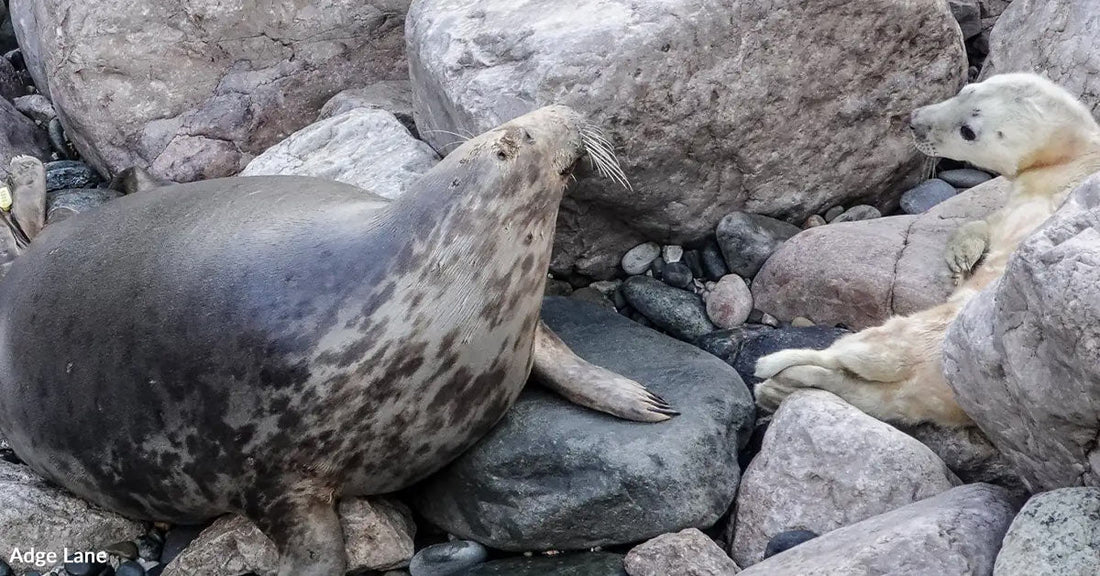
In a heartwarming update that showcases the power of wildlife rehabilitation, a seal rescued and released five years ago has returned to the spotlight — this time, with a baby of her own. The story of Kale, an orphaned seal pup once in critical condition, is a moving example of successful animal rescue work and the long-term impact it can have. Her journey from a vulnerable pup to a thriving mother is not only uplifting but also a testament to the dedication of the teams involved in her care and recovery.

Kale was first discovered in 2020 by British Divers Marine Life Rescue (BDMLR). At the time, she was underweight and orphaned, in urgent need of support. She was brought to the RSPCA Stapeley Grange Wildlife Centre, where her rehabilitation began. According to Lee Stewart, manager of the center, Kale had to be tube-fed initially and then hand-fed fish until she could eat on her own. Once she had gained enough weight and strength, she was moved to an outdoor pool to acclimate to life in the wild.
After her rehabilitation, Kale was released along the coast of North Wales, a location where she seemed to feel secure. Her caregivers hoped she would thrive, but as with all wildlife releases, there were no guarantees. Still, the team had confidence in the tools and instincts she had developed during her recovery. That confidence was rewarded when Kale was spotted last year, living freely and appearing healthy in her natural environment.
This year, however, brought an even more remarkable development. Kale was seen again in the same coastal area — and this time, she wasn’t alone. She had a pup with her, a baby seal now named Amethyst. The sight of Kale not only surviving but also raising her own young in the wild was a powerful affirmation for the people who had once cared for her.
“This is such an uplifting story to hear that Kale has done so well back in the wild that she is now looking after her own pup,” Stewart said in a press release. “When she came into our care, she wasn’t in a great condition, but thanks to our dedicated team here and with support from Welsh Mountain Zoo, she made a great recovery.”
For organizations like BDMLR and RSPCA Stapeley Grange, the goal of seal rescue and rehabilitation is always to return animals to the wild with the best possible chance of survival. But it’s rare to receive such clear, visual confirmation of that success. Seeing Kale with Amethyst offers more than just a feel-good moment — it validates the long hours, resources, and expertise that go into every rescue effort.
I found this detail striking: Kale chose to remain in the same coastal area where she was released. It suggests not only that the location met her needs but also that she felt secure enough there to raise her young. That kind of continuity is rare and meaningful in wildlife rehabilitation stories, where animals often disperse widely after release.
Seal rehabilitation is a complex process that involves careful feeding, medical treatment, and behavioral preparation. The fact that Kale transitioned from tube feeding to independent hunting, and then went on to become a mother in the wild, highlights the effectiveness of these methods. Her story also underscores the importance of partnerships in wildlife care. In this case, the collaboration between the RSPCA and Welsh Mountain Zoo played a critical role in Kale’s recovery.
For those who work in wildlife rescue, stories like Kale’s are both rare and deeply rewarding. Stewart summed it up poignantly: “It’s moments like this that remind us just how vital our rescue and rehabilitation work is.” Kale’s journey not only demonstrates the resilience of wildlife but also the profound difference that human care and compassion can make.
As Kale and Amethyst continue their lives in the wild, they serve as living proof of what’s possible when animals are given a second chance. Their story may inspire continued support for seal rescue efforts, reminding us all that even the smallest interventions can lead to thriving futures.