
🚨Urgent: Missile Strikes Shelter in Ukraine! Rush Emergency Aid!
Silent Watch Raises Awareness About Veteran Suicide and PTSD Treatment
Guest Contributor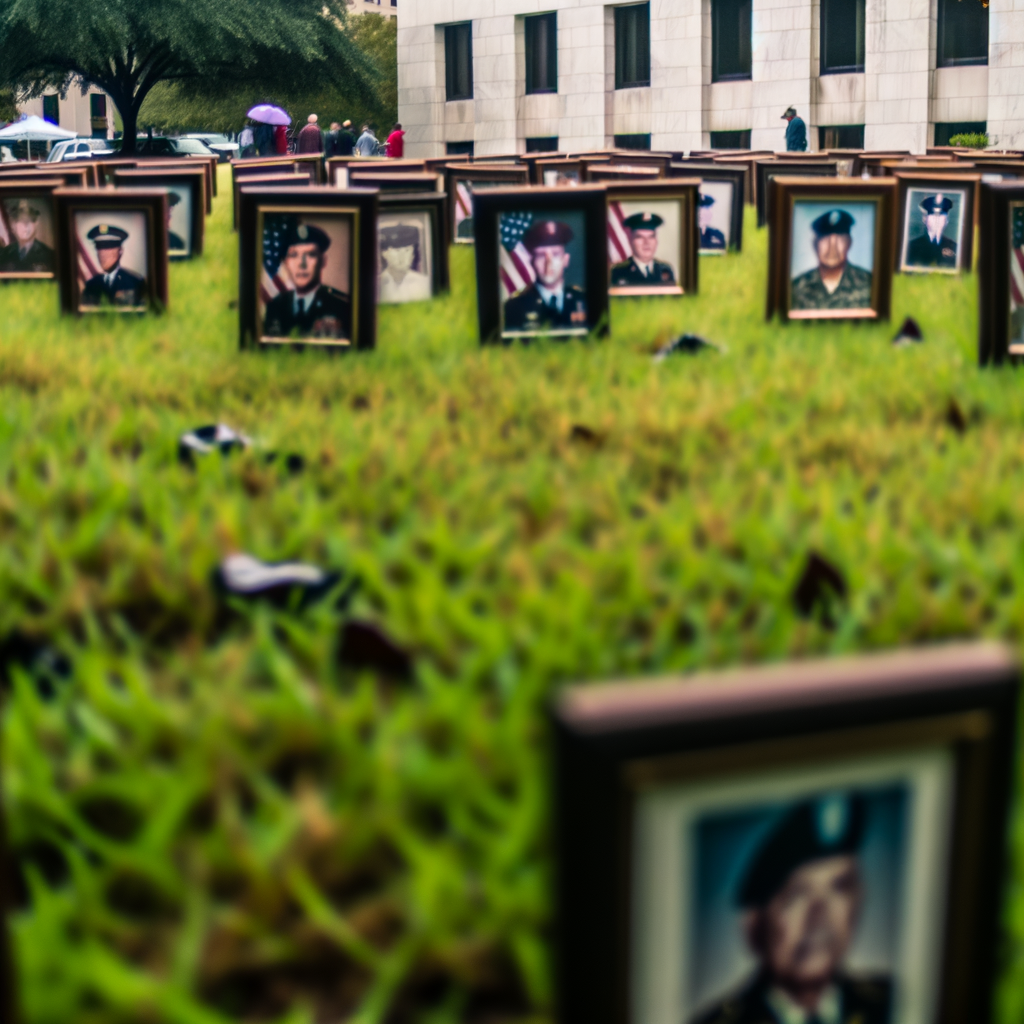
On a quiet Saturday in Mansfield, Ohio, a powerful scene unfolded outside the Richland County Courthouse. Volunteers stood in solemn silence beside a flag-draped coffin, rotating in 20-minute shifts from morning to late afternoon. Their stillness spoke volumes, confronting passersby with a stark reality: approximately 22 veterans or active service members die by suicide each day. This event, known as Silent Watch, is part of a growing movement to raise awareness about veteran suicide and the invisible wounds many carry home from war.

The display, organized by the nonprofit Silent Watch, left a visible and emotional impact. Framed portraits of veterans lined the courthouse lawn, and 22 empty frames symbolized the daily average of lives lost. The visual representation is meant to evoke what one volunteer described as “shock and awe.” I found this detail striking—how silence and symbolism can cut through noise and routine to make a message impossible to ignore.
Richard Haapanen, one of the volunteers, has a deeply personal connection to the cause. His son, Seth Haapanen, served in the United States Army National Guard and died by suicide in 2008 after returning from Iraq. Seth had survived an improvised explosive device (IED) blast while driving a Humvee, but the trauma he endured left lasting damage. He struggled with post-traumatic stress disorder (PTSD) and multiple traumatic brain injuries. “He was damaged from that point forward,” Richard said.
Haapanen’s involvement in Silent Watch is rooted in this loss. His daughter, Michele Hawks, co-founded the organization with Tim Chandler to bring attention to the mental health struggles of veterans. “Because he did, I guess we’re part of a club we never wished we’d be a part of,” Haapanen shared, reflecting on how his family's tragedy became a catalyst for advocacy and support.
Since its founding, Silent Watch has expanded its mission beyond awareness. One of its most significant initiatives is funding a treatment known as stellate ganglion block (SGB), an experimental procedure aimed at alleviating PTSD symptoms. The treatment involves a series of injections near a cluster of nerves in the neck and has shown promise in improving quality of life for some patients. Although not yet approved by the U.S. Department of Veterans Affairs and not covered by insurance, SGB has gained attention for its immediate and long-term effects.
Silent Watch has helped around 100 veterans and first responders access this treatment over the past four years, covering both medical and travel expenses. Most recipients have traveled to Annapolis, Maryland, but the organization recently discovered a medical and wellness center in Strongsville, Ohio, that also offers the injections. This new location could make the treatment more accessible to those in the region.
“It doesn’t cure PTSD,” Haapanen acknowledged, “but it helps to live a better quality of life.” The organization’s efforts are not only about treatment but also about connection and community. Through events like the courthouse vigil, Silent Watch identifies individuals in need and raises the funds to support them.
In addition to medical support, Silent Watch provides emotional resources to those grieving a suicide. Haapanen mentioned the book “Grieving a Suicide: A Loved One’s Search for Comfort, Answers, and Hope” by Albert Y. Hsu, which he received after his son’s death. Though it took him a month to read, he found it profoundly helpful. Now, the organization purchases the book by the case to distribute to others facing similar loss. It’s a small but meaningful gesture that underscores Silent Watch’s holistic approach to healing—not just for veterans, but for their families and communities.
Veteran suicide prevention, PTSD treatment for veterans, and mental health support for first responders are all critical issues that demand public attention. Silent Watch is addressing these needs through a combination of awareness, advocacy, and direct support. Their work is a reminder that while the scars of war may be invisible, the need for healing is very real—and that communities can play a vital role in that process.
The sight of silent volunteers standing guard beside a coffin may be jarring, but it’s also deeply moving. It forces a pause, a moment of reflection in a world that often moves too fast to notice the quiet struggles of those who served. In that pause, there is potential—for understanding, for compassion, and for change.