
🚨Urgent: Missile Strikes Shelter in Ukraine! Rush Emergency Aid!
Dog Vanishes for a Month Before Someone Looks Into a Storm Drain and Sees Her
Guest Contributor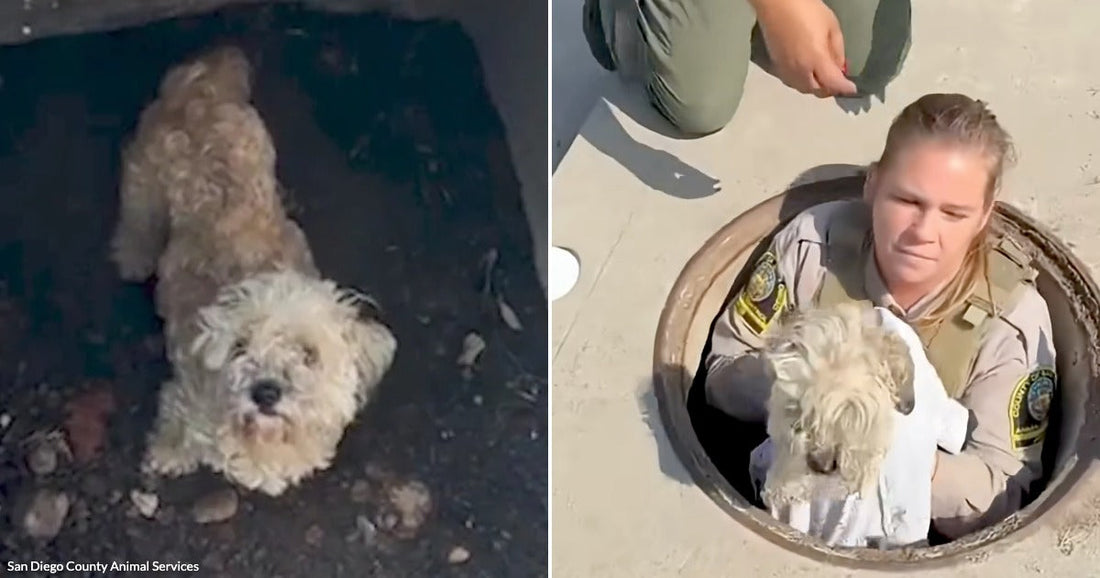
A small white poodle named Teddy had been missing from her Southern California home for more than 30 days when a routine Monday call turned into a remarkable storm drain rescue and an emotional reunion. The story of this lost dog found in a drain in Spring Valley captures the quiet heroism of animal services officers and the persistence of a family that refused to stop searching.
On that morning in San Diego County, animal services personnel responded to a report of a trapped dog. The caller had noticed a dog several feet down in a storm drain, in the community of Spring Valley. What might have been a simple welfare check quickly became a delicate rescue operation. Officials arrived to find a small poodle huddled below street level, reachable only through a manhole opening. From there, every move needed to be careful and calm to avoid scaring the animal deeper into the confined space.

Officer Britney Myers took on the challenge of climbing down into the drain. Video from the agency shows her descending carefully, scanning the dim space until she spotted the scruffy dog. Above her, Lt. Georgina Raygosa provided support, handing down treats to help earn the frightened dog’s trust and then passing a towel. It was not a high-tech rescue, but rather one built on patience, gentleness, and teamwork.
Myers approached the poodle slowly, using the treats to reassure the animal. Once she was close enough, she swaddled the dog in the towel, a simple act that helped keep the dog calm and secure. She then lifted the bundled poodle upward so Raygosa could pull her out of the drain and back into the daylight. In that moment, the dog’s ordeal in the storm drain finally ended, though it was clear her challenges had begun long before the rescue.

San Diego County Animal Services
The officers transported the dog to an animal shelter in Bonita, not far from where she had been found. Shelter personnel observed that the poodle appeared underweight and clearly hungry, and her coat was dirty and matted. Those early impressions suggested that she had been alone and lost for some time, struggling to navigate the world without the safety of home. Stories of missing dogs surviving outdoors are not uncommon, but each case highlights how difficult and disorienting those weeks can be for an animal used to human care.
At the shelter, staff moved quickly to make the dog as comfortable and safe as possible. She was given food and water, gently cleaned, and vaccinated. Personnel also checked for a microchip, a step that can be critical in any dog rescue in San Diego County or beyond. Microchips often provide the fastest way to match an unidentified pet with its family, though the article does not specify whether a chip was ultimately involved in Teddy’s case. Even without that detail, the basic protocol shows how shelters routinely blend practical care with efforts to reconnect animals to the people who love them.

San Diego County Animal Services
While the poodle rested and began to recuperate, events were unfolding that would soon link her story to a worried family. Later that same day, a woman arrived at the shelter to report that her dog, named Teddy, had been missing for more than a month. She explained that she and her family had been searching tirelessly, posting fliers in the neighborhood and reaching out to local dog rescues in hopes that someone might have seen their small companion.
She did not yet know that, just hours earlier, animal services officers had pulled a poodle from a storm drain not far from home. Shelter officials compared the details the woman provided about Teddy with the information and observations collected during the rescue. The match was unmistakable. The dog found in the storm drain and the beloved pet who had disappeared more than 30 days earlier were one and the same.

San Diego County Animal Services
The reunion that followed was both understated and powerful. Shelter staff described Teddy as initially withdrawn, an understandable reaction for a dog recovering from hunger, exposure, and stress. Yet the moment she recognized her owner, Teddy’s demeanor shifted. According to shelter officials, she began to howl and wag her tail, her body language expressing relief and excitement in a way that needed no translation. The family’s worry and hard work in searching were met with the best possible outcome: a living, breathing, tail-wagging Teddy ready to go home.
The owner thanked shelter staff and animal services personnel for their efforts and took Teddy home, closing a difficult chapter that had stretched on for weeks. I found this detail striking because it shows how a community network of observant residents, trained officers, and shelter teams can converge to create a happy ending for a vulnerable animal. No single element alone would have been enough. It took a concerned caller who noticed a dog in distress, professionals willing to climb into a storm drain, and a family that refused to give up.
This local story resonates far beyond Spring Valley. Around the country, missing pet stories often hinge on the same themes seen here: persistent owners, the importance of shelters, and the value of timely reports from people who notice something unusual. The narrative of Teddy the missing poodle highlights how a dog lost for a month can still find a way back, thanks to persistence and compassion. It also serves as a gentle reminder of practical steps like microchipping and keeping recent photos of pets, which can help when a beloved animal slips out of sight.
There is also a quieter message in this rescue. Storm drains and urban infrastructure can pose hidden risks for pets that wander or panic. Teddy’s ordeal shows how quickly an everyday landscape can become dangerous for a small animal. At the same time, her survival and recovery show how resilient pets can be, especially when given timely help. For anyone who has ever lost a dog or worried about a pet that escaped a yard or slipped a leash, this story offers a measure of hope. Not every tale ends so well, but Teddy’s journey from missing dog to joyful reunion is a clear example of what can happen when people stay alert, organized, and compassionate.
In the end, Teddy’s story is about connection, care, and the quiet bravery of those who step into uncomfortable spaces to help an animal in need. From the moment the call came in about a dog in a storm drain to the instant Teddy recognized her person and her tail began to wag, every action built toward a single outcome: a small poodle going home. It is the kind of uplifting narrative that underscores why local animal services, shelters, and community members matter so deeply in the lives of both pets and people. Read more at https://nz.news.yahoo.com