
🚨Urgent: Missile Strikes Shelter in Ukraine! Rush Emergency Aid!
The Enduring Legacy of the John Frum Cargo Cult in Vanuatu
Guest Contributor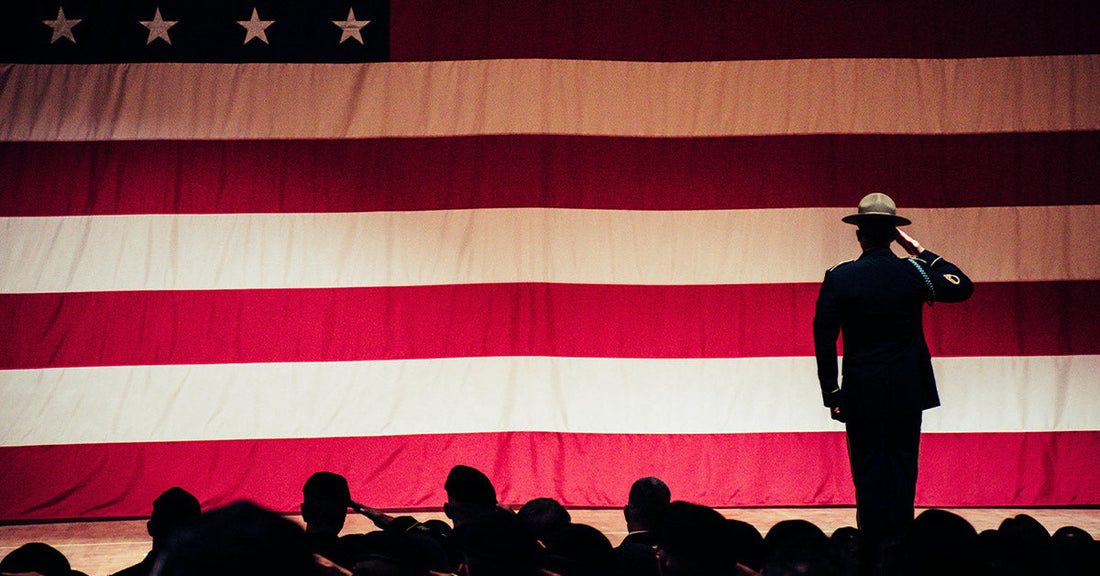
On the remote island of Tanna in Vanuatu, a unique spiritual movement continues to endure, long after its origins in the 1930s. Known as the John Frum movement, this cargo cult centers around a mysterious figure believed to be a white American soldier who promises prosperity and Western goods to his followers. The story of John Frum is not only a compelling example of cargo cult beliefs but also a reflection of Indigenous resistance to colonial influence. I found this detail striking: despite the passage of time and the rise of modernity, a small group still gathers every year to honor a figure whose existence remains unverified.

The John Frum movement is often cited as the most prominent cargo cult in the South Pacific. The term "cargo cult" refers to religious movements that emerged in remote societies, particularly during and after World War II, when Western military forces brought unfamiliar goods and technologies to the region. On Tanna, the arrival of American troops and their generous distribution of items like food, clothing, and tools left a lasting impression. For many islanders, these material goods seemed to arrive by supernatural means, prompting rituals aimed at summoning more.
According to local legend, the John Frum movement began during a spiritual ceremony in the 1930s. Elders reportedly consumed kava, a traditional drink with mild psychoactive effects, and encountered a vision of a white man who urged them to return to their Indigenous customs. This man, later known as John Frum, warned against the dangers of Western colonialism and encouraged a revival of kastom, the traditional lifestyle of the Tanna people. The message resonated deeply, especially as European missionaries had already begun to alter the cultural fabric of the island.
In the early 1940s, the movement gained momentum. Jean Guiart, an anthropologist who studied the phenomenon, noted that Christian villages established by missionaries were abandoned as people returned to their ancestral lands. Guiart documented how believers rejected Western currency by throwing money into the sea, yet the movement did not advocate violence. Instead, John Frum was portrayed as a spiritual guide promoting unity, communal work, and traditional practices like dancing and kava drinking.
While there is no concrete evidence that John Frum ever existed, some scholars suggest he may have been a real American soldier who introduced himself as "John from America." Others believe he was a visionary figure born from the islanders' desire for a white ally who respected their customs. Regardless of his origin, his image as a World War II-era soldier who would one day return with cargo has endured.
The belief in John Frum is part of a broader pattern seen across the South Pacific during and after World War II. As American troops moved through Melanesia, their presence and the goods they shared were interpreted by some as divine. When the war ended and the cargo shipments ceased, communities began to perform rituals in hopes of bringing back the blessings they had once received. These included building mock airstrips, control towers, and even replica airplanes, all in an effort to attract the return of the cargo-laden planes.
Despite the decline of cargo cults in general, the John Frum movement has persisted longer than most. In the 1990s, it was estimated to have around 5,000 followers. By 2022, that number had dwindled to approximately 500, influenced by factors such as the rise of Christianity and increased industrialization. Still, the legacy of John Frum lives on through annual celebrations and continued devotion among a small group of islanders.
Every year on February 15, Tanna observes John Frum Day. During this celebration, men dress in makeshift military uniforms, paint "USA" on their chests, and march with bamboo sticks as if they were rifles. The event is both a spiritual observance and a cultural expression, combining traditional Melanesian dances with symbols of American military presence. As one village elder explained to Smithsonian Magazine in 2006, "John promised he’ll bring planeloads and shiploads of cargo to us from America if we pray to him. Radios, TVs, trucks, boats, watches, iceboxes, medicine, Coca-Cola and many other wonderful things."
The John Frum movement stands as a vivid example of how Indigenous communities have interpreted and responded to external forces. It reflects a blend of spiritual belief, cultural preservation, and historical experience. While modern influences have reduced its following, the movement continues to offer insight into the complex interplay between tradition and change in post-colonial societies. For those still participating, John Frum remains a symbol of hope, resistance, and cultural identity.