
The Real Dog That Inspired The Call of the Wild’s Buck
Guest Contributor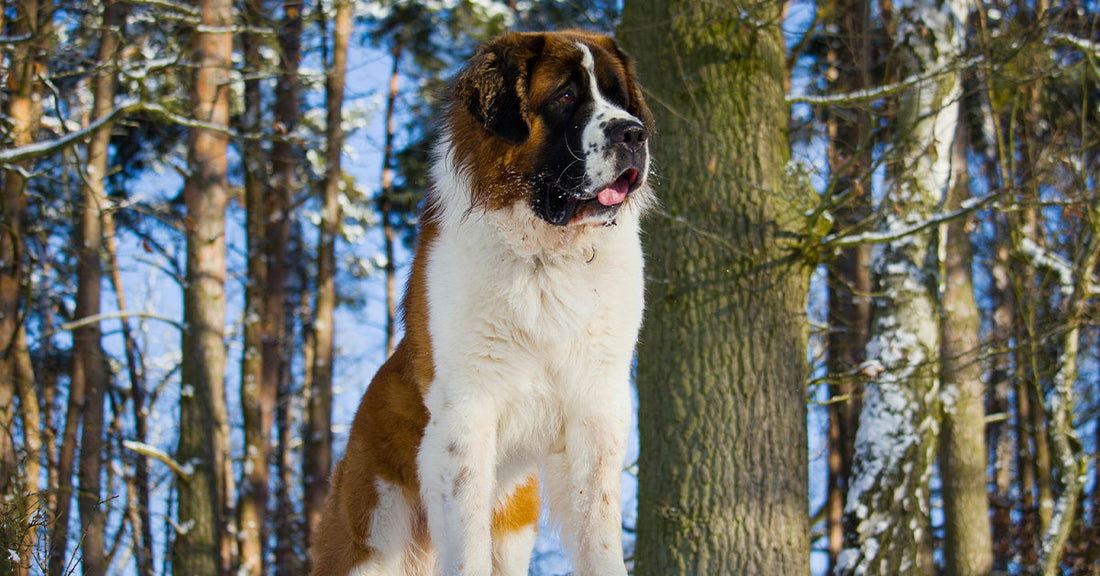
Before Harrison Ford brought Buck to life on the big screen in 2020’s adaptation of The Call of the Wild, the remarkable dog at the heart of Jack London’s story had already captured the imagination of readers for over a century. What many may not realize is that Buck, the noble Saint Bernard and Scotch Collie mix who journeys through the Yukon during the Klondike Gold Rush, was inspired by a real dog. The connection between London and this exceptional animal adds a layer of depth to an already iconic tale—and reveals just how closely literature can mirror life.

While prospecting for gold in the Yukon Territory in the late 1890s, Jack London encountered a dog whose character and strength left a lasting impression. This real-life dog, also named Jack, belonged to brothers Louis and Marshall Bond, who had set up camp in Dawson City. London, who pitched his tent beside their cabin, spent several months in close contact with the Bonds and their dogs. It was during this time that he observed and admired the qualities of Jack the dog—qualities that would eventually shape the fictional Buck.

The setting of the Klondike Gold Rush provided a dramatic and unforgiving backdrop for both London’s real-life experiences and his novel. Out of more than 100,000 people who set out to seek their fortune in the Yukon, only about 30,000 reached Dawson City. London was among them, drawn by the promise of gold and the spirit of adventure. But it was the working dogs of the North, rather than the gold itself, that made the most lasting impact on his writing.
Marshall Bond later described his dog Jack as having “a courage that, though unaggressive, was unyielding” and “a kindness and good nature” that stood out. He praised the dog’s work ethic and energy, noting that Jack possessed what could only be described as character. These traits did not go unnoticed by London, who, according to Bond, had a unique way of interacting with dogs—not with pats and affectionate words, but with quiet respect and understanding.
Bond recalled that London treated Jack with the same deference he might offer a respected peer. “He always spoke and acted towards the dog as if he recognized its noble qualities, respected them, but took them as a matter of course,” Bond observed. “It always seemed to me that he gave more to the dog than we did, for he gave understanding.” This thoughtful approach to animal companionship is reflected in The Call of the Wild, where Buck’s inner life and instincts are portrayed with remarkable empathy.
After returning from the Yukon due to illness, London turned his attention to writing. By 1903, The Call of the Wild was published to critical and popular acclaim. When Marshall Bond later asked London whether Buck was based on his dog, London confirmed it without hesitation: “Yes,” he replied. “Buck was based on your dog at Dawson.”
This real-life inspiration adds a poignant layer to the story of Buck, whose journey from domesticated pet to wild creature reflects the harsh realities and transformative power of life in the Yukon. The keyword phrase “real dog that inspired The Call of the Wild” is more than a curiosity—it’s a window into the bond between man and animal, forged in one of the most challenging environments imaginable.
Life for dogs in the 19th-century Yukon was grueling. In a region where horses and mules struggled with the terrain, sled dogs became indispensable. Their ability to traverse narrow, icy trails made them the primary means of transport through the frozen wilderness. The demand for sled dogs soared, and the price of a single dog could reach $400—a staggering sum equivalent to over $13,000 today. This economic reality turned dog trading into a lucrative business, as prospectors and settlers alike depended on these animals for survival.
Sled dogs had long been integral to life in subarctic regions, with a history stretching back at least 9,000 years. Their importance was underscored again in 1925 during the famous serum run to Nome, Alaska. In that crisis, teams of sled dogs relayed life-saving diphtheria antitoxin across 600 miles in just under six days, preventing a deadly outbreak. While not directly related to London’s story, this event echoes the themes of endurance and loyalty that permeate his novel.
In The Call of the Wild, readers experience the Yukon through Buck’s eyes. His evolution from pampered pet to fierce survivor mirrors the journey of many who ventured into the North, including London himself. The novel’s enduring appeal lies in its ability to convey a dog’s perspective with sincerity and depth, inspired by a real animal who embodied the strength and spirit of the frontier.
I found this detail striking: Jack London did not shower the dog with affection as others might, but instead offered something even deeper—respect and understanding. This quiet recognition of the dog’s dignity helped shape a literary character that continues to resonate with readers today.
As audiences rediscover Buck through film adaptations, the story behind his creation serves as a reminder of the profound connections that can form between humans and animals. The real dog that inspired The Call of the Wild was more than a muse—he was a companion whose character helped define one of America’s most beloved novels.
