
🚨Urgent: Missile Strikes Shelter in Ukraine! Rush Emergency Aid!
Drone Team Finds Dog Lost Near New Jersey Turnpike
Guest Contributor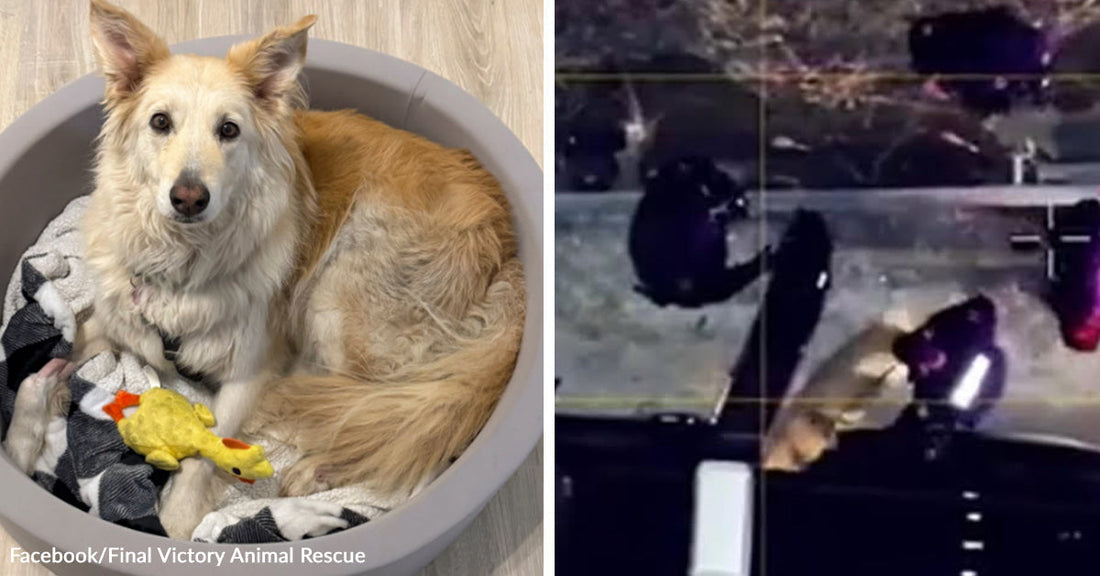
A winter journey along the New Jersey Turnpike recently turned into a tense overnight search and a hopeful reunion, as rescuers used drone technology to find a missing dog who had slipped away from a highway rest stop. The story of Abbie, a 9‑year‑old golden retriever mix traveling from a South Carolina shelter to a new home in Maine, highlights both the power of modern tools like thermal imaging drones and the determination of volunteers and officers who refused to give up. For anyone who cares about animal rescue or follows lost dog recovery stories, this is a reminder of how technology and compassion can work together.

Abbie’s trip began as part of a routine animal transport effort organized by Final Victory Animal Rescue, a shelter based in South Carolina. She was one of several dogs on a van headed north to what was expected to be a fresh start in Maine. Around 6 a.m. on a Saturday morning, the transport stopped at a service area in East Brunswick along the New Jersey Turnpike so the dogs could take a necessary bathroom break. In those early hours, in an unfamiliar place full of strange sights and sounds, Abbie suddenly bolted.
The handlers had done what many rescue groups do during transport. Abbie wore a tracking tag designed to provide a general sense of her location if anything went wrong. Still, anyone who has tried to locate a frightened animal in a busy, wooded, or urban area knows how quickly a dog can disappear. The turnpike corridor is full of ramps, overpasses, wooded patches, and neighborhoods, and Abbie covered a surprising distance. Over the course of her escape, she wandered roughly 25 miles, or about 40 kilometers, from the rest stop where she first ran off.
As news of her disappearance spread among rescuers and supporters, a specialized volunteer group stepped in. Unmanned Search and Rescue, often referred to as USAR, is a New Jersey based team that uses drones to assist with missing pet searches. Their mission focuses on combining technology and trained volunteers to locate animals in areas that are difficult or dangerous for people to search on foot alone. I found this detail striking because it shows how lost dog drone searches are becoming an important part of the rescue toolkit.
Abbie’s tracking tag provided a starting point. Using that general location, the USAR volunteers deployed an unmanned drone equipped with thermal imaging capability. Thermal cameras are particularly useful in situations like this, because they detect differences in heat that can stand out even in darkness or dense brush. For a scared dog hiding quietly in a wooded area, a thermal image can reveal what human eyes might overlook even at close range.
Guided by the drone’s thermal imaging, searchers were able to narrow down where Abbie had gone. The dog who started her escape in East Brunswick was eventually found in a wooded area in Woodbridge Township. By that point it was the middle of the night, and she was far from the original rest stop. Woodbridge Township police went into the area around 2 a.m. Sunday and managed to reach Abbie, who was about 15 miles or 24 kilometers from the spot where she had fled from the service area.
When officers and rescuers finally got to her, Abbie was cold and very fearful. Long hours alone along highways and in the woods, combined with winter temperatures and the stress of being far from familiar surroundings, had clearly taken a toll. Authorities later discovered that she had suffered a hip injury that will require surgery. Even so, the outcome was far better than many feared when a dog first escapes near a major highway. Being found alive and recoverable was a significant relief to everyone following her story.
The drone team marked Abbie as its 123rd dog rescue. That number hints at just how many pets have already benefited from this growing field of aerial search and rescue. Thermal imaging drones that were once mostly associated with industrial inspections or emergency response have found a new role in the world of animal welfare. They can scan large, difficult terrain quickly, support ground searchers, and increase the chances that a missing dog or cat is located before weather, traffic, or exhaustion lead to tragedy.
Abbie’s story did not simply end with her physical rescue. Her future, which had seemed to be up in the air once she ran away, took another turn after she was safely in human hands again. Final Victory Animal Rescue later shared in a social media post that the original plan to place Abbie in a new home in Maine was no longer what awaited her. Instead, she was brought back to South Carolina, where she will be adopted by the Columbia family that had already been fostering her.
The decision reflects something many people in animal rescue recognize. Foster families often form deep bonds with the animals they care for, especially those with gentle personalities or who have already faced significant upheaval. After the scare of Abbie’s disappearance and the collective effort it took to bring her home, placing her permanently with the people who already knew and loved her likely felt like a fitting conclusion. Her journey along the New Jersey Turnpike may have been unexpected, but it led back to familiar hearts and a stable environment.
In its message about Abbie’s recovery, the shelter summed up the operation with a phrase that captured both the human and technological sides of the search. With “boots on the ground and eyes in the sky,” as Final Victory Animal Rescue put it, Abbie was located and recovered safely. The group expressed gratitude for every agency involved, from the drone volunteers to the local police, all of whom contributed crucial pieces to the outcome. Those words sit at the center of this story of a lost pet found through cooperation.
Stories like Abbie’s highlight how animal rescue efforts are changing. Traditional methods such as posters, in person searches, and word of mouth are now enhanced by tracking tags and drone thermal imaging. Lost dog drone rescues are becoming a real option in many regions, especially where volunteer teams like USAR operate. At the same time, none of the technology replaces the dedication of the people behind it. The late night flights, the driving to search sites, the careful approach to a terrified animal in the dark, and the follow up medical care all depend on human commitment.
For anyone who travels with pets or works with rescue transports, Abbie’s escape and recovery can serve as a reminder to combine preparation with community support. Identification tags, microchips, and tracking tools increase the odds of a reunion, and knowing which local groups can offer specialized resources like drones can make a difference during those early, critical hours after a pet goes missing. When those pieces align, as they did along the New Jersey Turnpike that weekend, the result can be a lost dog’s return from cold woods to a warm home. Read more at https://apnews.com