
🚨Urgent: Missile Strikes Shelter in Ukraine! Rush Emergency Aid!
Navy Veteran Becomes Teacher, Inspiring Students Through History
Guest Contributor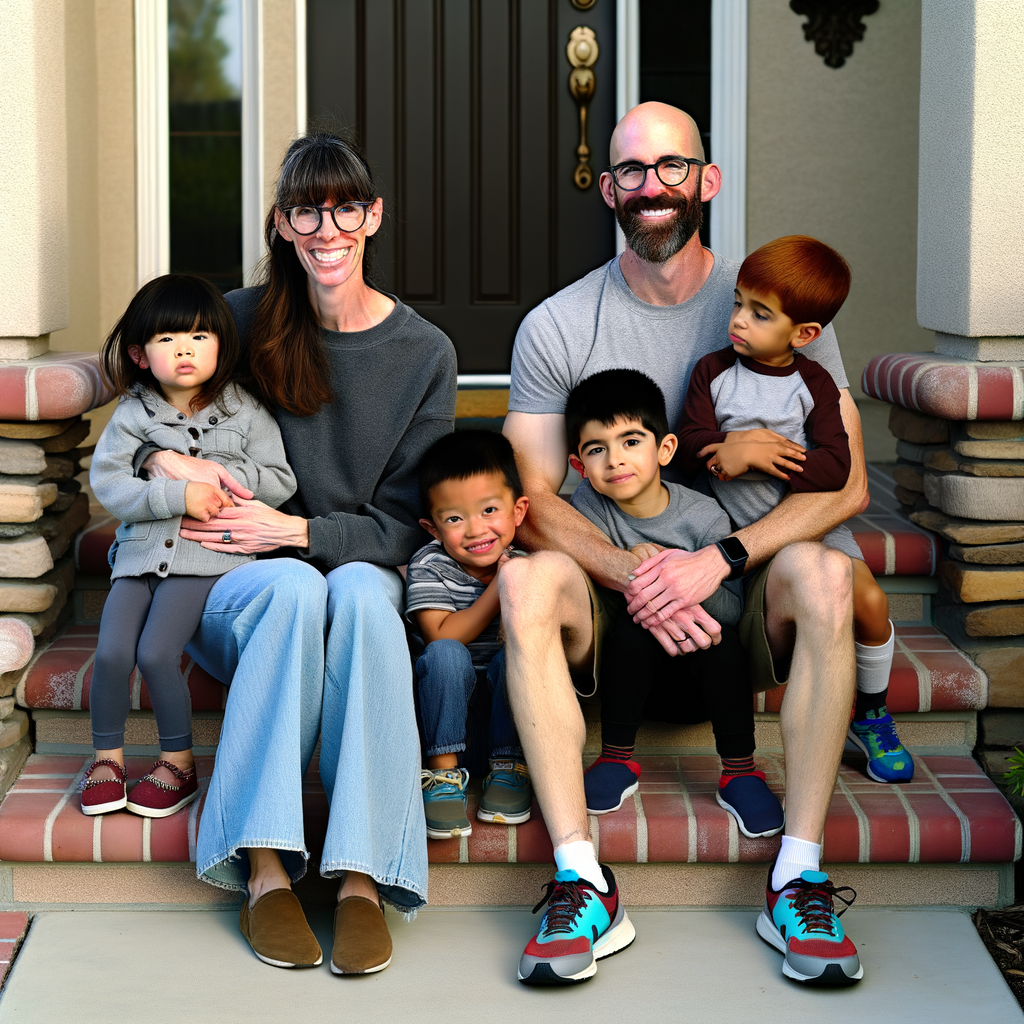
After nine years of service in the U.S. Navy, Keely McFarren is charting a new course—this time in the classroom. Set to graduate from the University of Montana in spring 2025, McFarren is preparing to launch a second career as a history teacher, bringing with him a wealth of life experience, a passion for education, and a deep understanding of the importance of purpose-driven learning. His journey reflects a growing trend among veterans who are transitioning into education through alternative teacher licensure pathways, filling vital roles in schools while continuing to serve their communities in meaningful ways.

McFarren’s story is one of thoughtful decision-making and resilience. Originally from Bloomfield, Montana, he first explored higher education at a technical college in North Carolina, aiming for a degree in emergency medicine. However, he quickly realized that a full associate’s degree wasn’t necessary for his goal of becoming an emergency medical technician. Instead of pursuing a costly degree, he opted for a more direct route: earning his EMT certification through a shorter, more affordable training program. “As a person who was solely responsible for funding their college education, to me, it just didn’t make any sense for me to finish at that time,” McFarren said.
That practical mindset led him to a nine-year career in the Navy, where he not only gained technical expertise but also discovered a talent for teaching. He led courses on nuclear reactor principles and theory, often receiving constructive feedback from seasoned instructors. “The nuclear community in the military is definitely built around education and continuing education,” McFarren noted. While his teaching experience didn’t take place in a traditional school setting, it laid a strong foundation for his future in education.
Returning to higher education in 2022, McFarren enrolled at the University of Montana with a clear goal: to become a history teacher. He will graduate with a degree in history and minors in philosophy, political science, and democracy studies. His decision to pursue a college degree later in life was intentional. He wanted to overcome what he described as the “paper ceiling”—a term that refers to the barriers faced by individuals who have valuable skills but lack formal academic credentials. “It’s not that people aren’t necessarily qualified, they just haven’t checked the specific box that people are looking for when hiring them,” he explained.
His perspective on education is shaped not only by personal experience but also by family influence. McFarren’s father was a history teacher, and discussions about historical events were a regular part of his upbringing. That early exposure helped spark his interest in the subject, and now he hopes to inspire the same curiosity in his own students. “I like the material and the maturity of teaching high schoolers,” he said. “However, with middle schoolers, you can definitely have an outsized impact on their life.”
What I found striking was McFarren’s emphasis on the value of timing and intention in education. He encourages others to take the time they need to discover their goals, rather than rushing into college without a clear purpose. His journey highlights how alternative paths—whether through military service or vocational training—can lead to fulfilling careers when paired with strategic educational choices.
McFarren’s transition into teaching aligns with broader efforts in states like Montana and Kentucky to address teacher shortages by creating alternative licensure pathways for veterans. These programs recognize the leadership and instructional skills many service members develop during their military careers and aim to streamline their entry into the classroom. For McFarren, this approach offers a practical and rewarding way to continue serving others while staying closer to family. After graduation, he plans to move to Kentucky and is currently applying for positions teaching history at the middle or high school level.
His story also underscores the broader value of a college degree—not just for career advancement, but for personal and family stability. “I know that this degree will not only benefit me, but it benefits my four children, my wife and our stability,” McFarren said. His commitment to education is as much about setting an example for his children as it is about professional growth.
McFarren’s experience offers a compelling example of how military veterans can bring unique strengths to the field of education. With his background in instructional leadership, his academic focus on history and civics, and his dedication to lifelong learning, he is well-positioned to make a lasting impact in the classroom. As more veterans seek to leverage their skills in civilian careers, stories like his highlight the importance of flexible, inclusive pathways that honor diverse experiences and support meaningful transitions.
Read more at umt.edu