
🚨Urgent: Missile Strikes Shelter in Ukraine! Rush Emergency Aid!
Women Veterans Finding Strength and Support Through She’s the Veteran Network
Guest Contributor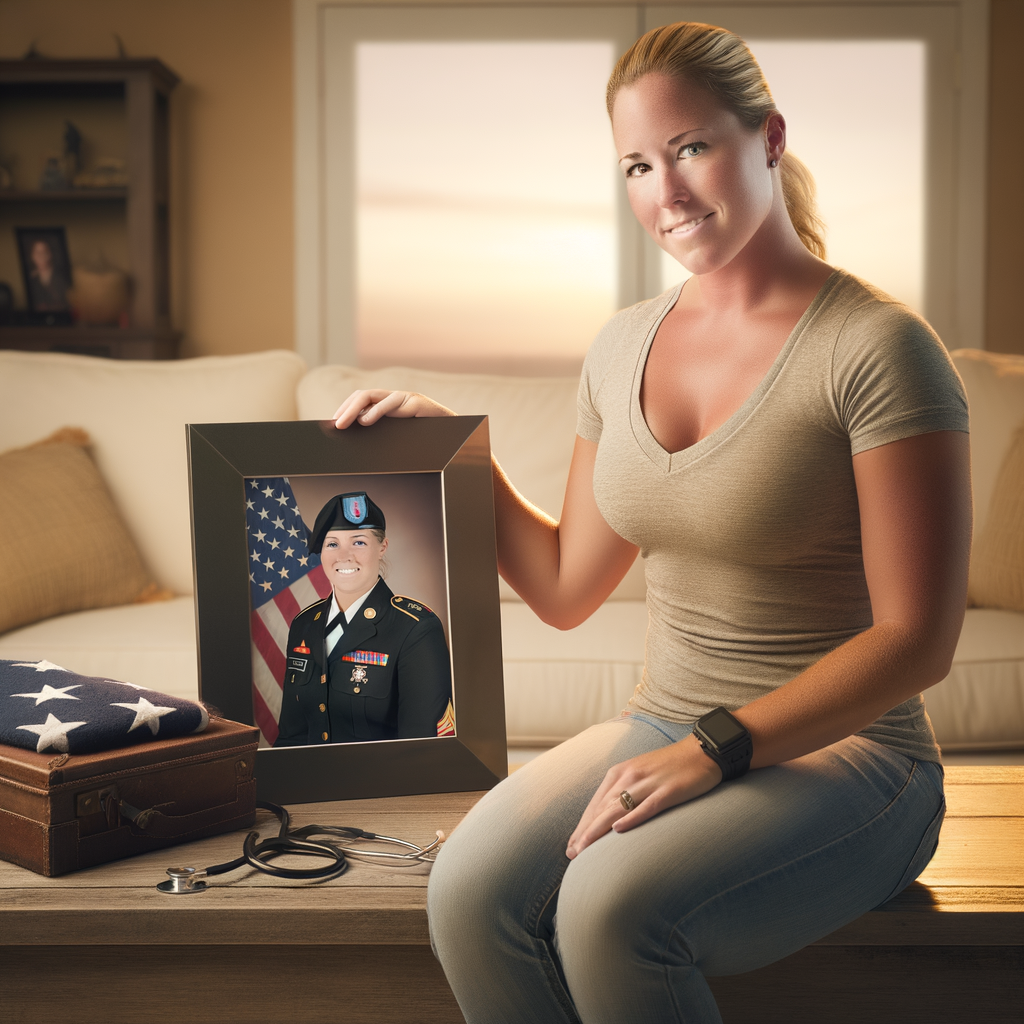
When Army veteran Brooke Jackson Kahn asked for a military discount at a hardware store, the cashier instinctively turned to her husband to say, “Thank you for your service.” It wasn’t the first time this had happened. As the author reports, her husband pointed to Brooke and clarified, “She’s the veteran.” This seemingly small moment reflects a much larger issue: the frequent invisibility of women veterans.

Brooke’s story, shared in a recent Woman’s World article, highlights the quiet strength and resilience of women who have served in the military—and the challenges they continue to face even after their service ends. Her journey from combat medic in Iraq to founder of a national support network for women veterans is both inspiring and deeply needed.

Brooke came from a family with a proud tradition of military service. The men had served in uniform, and the women were nurses. She chose to do both, joining the Army Reserves and training as a physician assistant. Eventually, she went on active duty and served in Iraq as a combat medic. After her discharge, she settled in Charleston, South Carolina, working in a hospital and raising a family. But she remained in the Reserves, always prepared to return to duty.
Despite her service, Brooke quickly realized that recognition for women veterans was rare. While male veterans often wear service caps or jackets that identify them, women tend to fade back into civilian life, their contributions overlooked. One example shared in the article was particularly striking: a female veteran friend of Brooke’s was confronted by a store owner for parking in a spot reserved for veterans. He assumed it was meant for her husband, not her.
This recurring lack of acknowledgment led Brooke to take action. “It’s time for this to change,” she told her husband. That decision marked the beginning of She’s the Veteran, a nonprofit organization dedicated to supporting and celebrating women who’ve served in the military. I found this detail striking: rather than waiting for institutions to change, Brooke created a new space for women veterans to be seen, heard, and valued.
As she developed the program, Brooke began researching the unique challenges women veterans face. She discovered that women often experience post-traumatic stress disorder (PTSD) differently than men. While men may externalize their stress through anger, women are more likely to internalize it, withdrawing and keeping their experiences to themselves. This difference can lead to isolation and a lack of support.
To address this, She’s the Veteran offers monthly meetings where women can connect and share their stories in a safe, understanding environment. The group also organizes bi-monthly outings—from surfing and horseback riding to art therapy and fishing. These activities aren’t just for fun; they provide therapeutic value and help build a sense of community among women who may otherwise feel alone in their experiences.
Since its founding, She’s the Veteran has grown significantly. The group now includes more than 800 local members and another 1,500 across the country. To make the program accessible to all, many events and meetings are held virtually, ensuring that even those far from Charleston can participate. This expansion reflects a growing need for spaces that honor and support women veterans.
Shanette Coad, a former Air Force security member who served in Pakistan, shared her own experience. “Every time we go to our local VA, they assume my husband served and I’m the dependent,” she said. For her and many others, She’s the Veteran offers something that has long been missing: a community where their service is acknowledged and understood.
Brooke’s efforts go beyond creating a social group. She is actively working to shift the narrative around military service to include and uplift women. “We want every female veteran to know they are not alone,” she says. “We’re here to support them and to make sure that their voices are heard.” Her mission is about visibility, healing, and empowerment—an effort that resonates with many who have felt overlooked.
What makes this story especially powerful is its emphasis on community-driven change. Rather than waiting for recognition or systemic reform, Brooke and the women she supports are building their own networks of care and validation. In doing so, they are not only helping each other heal but also reshaping public perceptions of who a veteran is.
For those interested in learning more or getting involved, She’s the Veteran continues to expand its reach and services. From mental health resources to outdoor adventures, the organization is a testament to what can happen when veterans support one another and advocate for change.