
🚨Urgent: Missile Strikes Shelter in Ukraine! Rush Emergency Aid!
Dead Butt Syndrome: Trainer Tips to Identify and Fix It Fast
Guest Contributor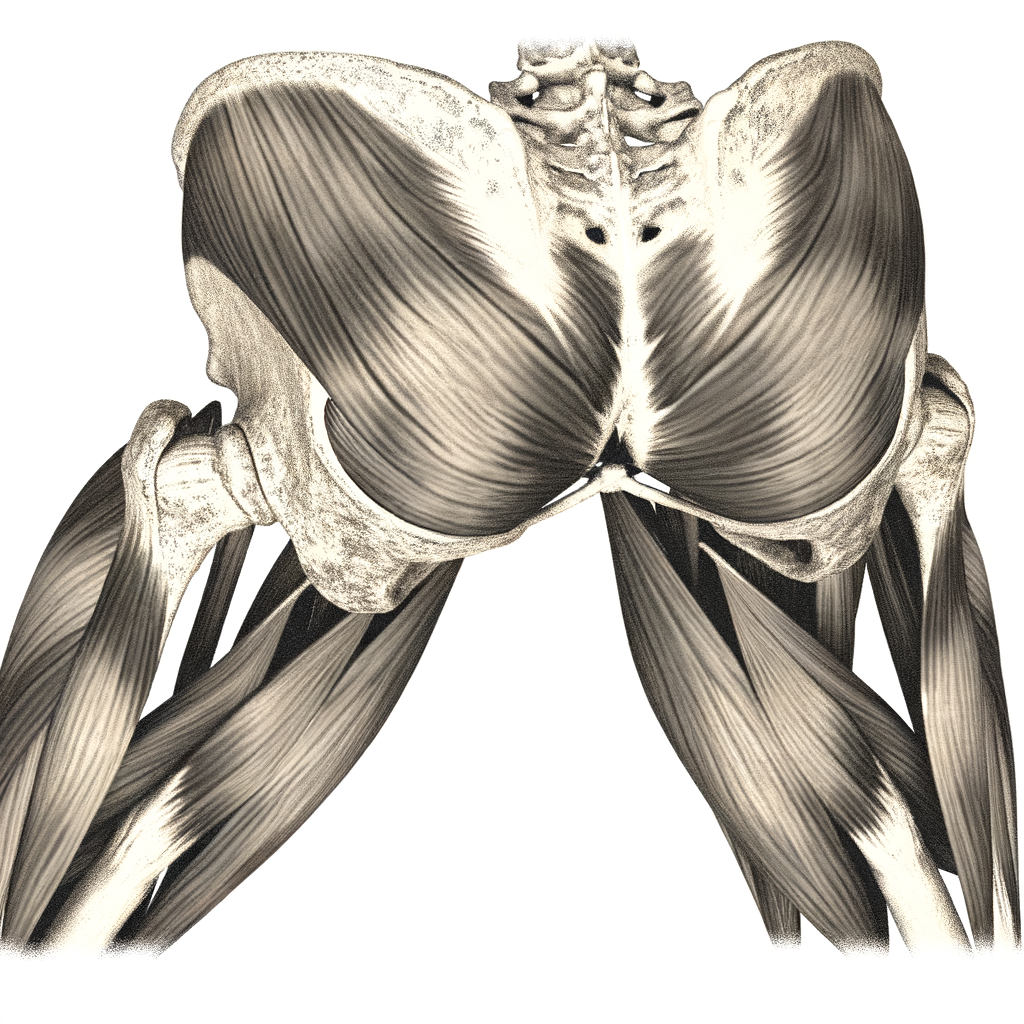
Dead Butt Syndrome, a common yet often overlooked condition, can seriously hinder your workout progress and daily comfort. This syndrome occurs when the gluteal muscles become weak or inactive, leading to muscle imbalances and pain. Understanding the signs and causes is essential for anyone looking to maintain a healthy and strong lower body.
One of the key indicators of Dead Butt Syndrome is persistent lower back pain. Since the glutes play a crucial role in stabilizing the pelvis and supporting the lower back, their dysfunction can place undue stress on surrounding muscles, resulting in discomfort. Additionally, you might notice decreased strength or difficulty performing movements like squats, lunges, or climbing stairs.
Prolonged sitting, especially in sedentary jobs or lifestyles, is a major contributor to this condition. When the glutes remain inactive for extended periods, they can essentially 'turn off,' leading to the characteristic weakness. Other contributing factors include poor posture, improper exercise techniques, and muscular imbalances caused by overusing other muscle groups.
Fortunately, addressing Dead Butt Syndrome involves targeted exercises and lifestyle adjustments. Strengthening the glutes through movements like hip bridges, clamshells, and squats can reactivate these muscles. Incorporating regular breaks from sitting and focusing on proper posture can also help prevent the syndrome from developing or worsening.
Consulting with fitness professionals or physical therapists can provide personalized guidance to ensure exercises are performed correctly and effectively. Early intervention can reduce pain, improve mobility, and enhance overall physical performance.
For those experiencing persistent lower back pain or difficulty in lower body movements, considering Dead Butt Syndrome as a potential cause is a proactive step. By recognizing the signs and implementing corrective strategies, you can regain strength, reduce discomfort, and enjoy a more active lifestyle.
