
How to Get a Stray Cat to Trust You
Michelle Milliken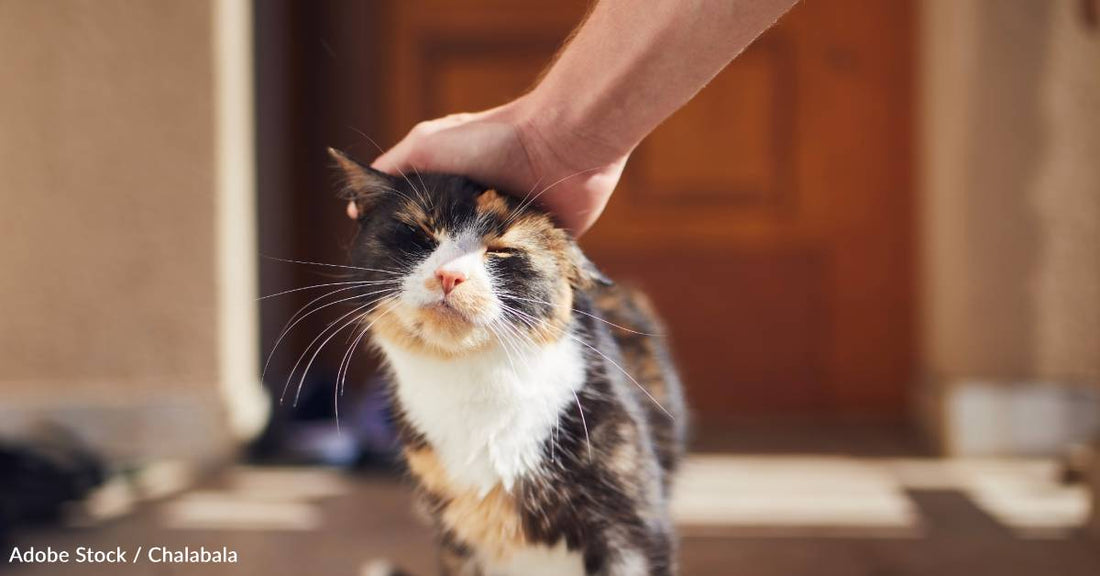
If you’re a cat lover and you see one wander into your yard, you likely have the compulsion to “pspsps” them over to you. This is especially true if they stop by your property a lot and you want to make sure they’re okay. It isn’t always easy to get a strange cat to trust you, though. Here are some steps to do so.
Try to Figure Out if They’re a Stray, a Pet, or a Feral Cat

One of the most important things you can do when you keep seeing a particular cat is to make sure they’re not someone else’s pet. Cats can sneak out of their homes, and some are allowed outdoor time. If either of these are the case, the cat may have a collar. They’re likely to be relatively well-groomed, well-fed, and, in the case of a pet that isn’t lost, will probably only be around during the day, as their owners will likely bring them in at night.
A stray, on the other hand, is more apt to come around at odd times and be friendly, due to a history with humans, but possibly still wary, depending on how long it’s been since they lived indoors. Their grooming may be lacking a bit, and they may be on the skinnier side. They’ll usually travel solo, too, and may voraciously eat food you leave out, since they’re not sure where their next meal will come from.
Feral cats, meanwhile, are essentially wild animals that generally aren’t comfortable around people and are apt to get aggressive and defensive in human interactions. It’s unlikely you’ll be able to get them to fully trust you.
If you suspect the cat may be someone’s pet, post on social media, ask your neighbors, and reach out to area shelters with a found cat report to see if anyone is looking for them. It will likely take time to gain enough of their trust for a vet visit, but checking for a microchip can answer this question, as well.
Take Interactions Slowly
While you’re trying to figure out if they have a home, you can get to work on making them comfortable around you. Be sure you give your new visitor space, never touching them or getting too close unless they initiate the interaction. Speak to them calmly and gently from a distance, plopping down on the ground so they aren’t wary of your movements. This can put them at ease, especially if they’re already on the defensive due to any injuries or health conditions.
Lure Them with Food

One of the best ways to put a stray cat at ease around you is to be a food provider. If you don’t have cat food, you can give them tuna canned in water without added ingredients. Avoid leaving out milk, though. If you plan to keep feeding them, head to the store to get food specifically for cats or kittens, depending on their age, with all their necessary nutrients. Put water out for them, as well. You can try gradually bringing the bowl closer to you and your home to garner more trust. While they’re eating, sit at a distance without paying too much attention to them. Having a consistent feeding routine will help things along, as well.
Provide Shelter
When the cat is still skittish, providing them shelter can also help them feel safe around you and your home. In some cases, you may be able to crack open your garage or an outbuilding like a shed where they can find safety. Just be sure there aren’t any hazards that could injure or sicken the cat. You can also make a shelter out of a wide range of items, from wood crates and Styrofoam containers to plastic totes and boxes. You can even get your woodworking skills on, if that’s your thing.
However you make it, be sure it’s raised off the ground, the entrance is small and faces a wall to help with insulation and to ensure only cats can get in, and that the space inside isn’t so big that the cat’s body can’t heat it up.
Have a Safe First Physical Interaction

After you provide food, shelter, and a comforting presence, the stray will likely begin warming up to you. If it appears that they are, remember to let them bridge that final gap and not to touch them unless they initiate it. To help it along, though, you can hold out your hand for a sniff or sweeten the deal with a treat or some wet food on your finger. Ensure they have plenty of room to bolt if they’re still not comfortable, and don’t stress if they do bolt. It can take time and consistent daily interactions to get a cat to be totally comfortable with you.
Get Them to the Vet
Once you’ve started having proper interactions, that’s the time to get your new friend to the vet. To lure them into a carrier, you can leave food inside a few days in a row before finally shutting the door behind them for the appointment. The vet can check for a microchip, get them up to date on their vaccines, spay or neuter them if necessary, and check for health issues like feline communicable diseases. That last part will come in handy if you’d like to bring them inside around your own pets, either in a foster situation or as a forever home.
If You Decide to Find Them a Home

Once they’ve been vetted and been given the all clear, it will make finding the cat a home easier. Ensure you keep the medical records to pass on to their forever family, as well. When it comes to finding that forever home, you can ask to leave a flyer at the vet or ask them to network with clients to see if anyone wants a cat, you can post information on social media, or you can ask around within your friend group.
You’ll want to ask those interested if they have any other pets, if their landlord allows pets, and the sort of cat they’re seeking. Their personalities may not be a match. It’s also important to make sure they’re not going to declaw, that the cat will be kept inside, and that they’ll be spayed or neutered if they’re too young to have had that done yet. Kittens should ideally have an age-appropriate buddy, too. You can also do a home visit to see the energy of the other pets and any kids in the home.
If You Decide to Keep Them
On the other hand, if you decide to keep the cat, make sure you’re financially prepared, that your landlord allows it if you’re renting, and that your other pets will be receptive and safe for the new arrival. Start them off in their own room with all the necessities, comfort items, and hiding places. It may take them a while to get readjusted to indoor life, which may mean they’ll need their own space for a while. Remember to interact with them every day, but be gentle and let them come to you at this time. Don’t rush any introductions with other pets, either.
If you’ve managed all this, congratulations. You’ve gotten a stray to trust you.