
🚨Urgent: Missile Strikes Shelter in Ukraine! Rush Emergency Aid!
Strength Training During Cancer Treatment Inspires Resilience and Recovery
Guest Contributor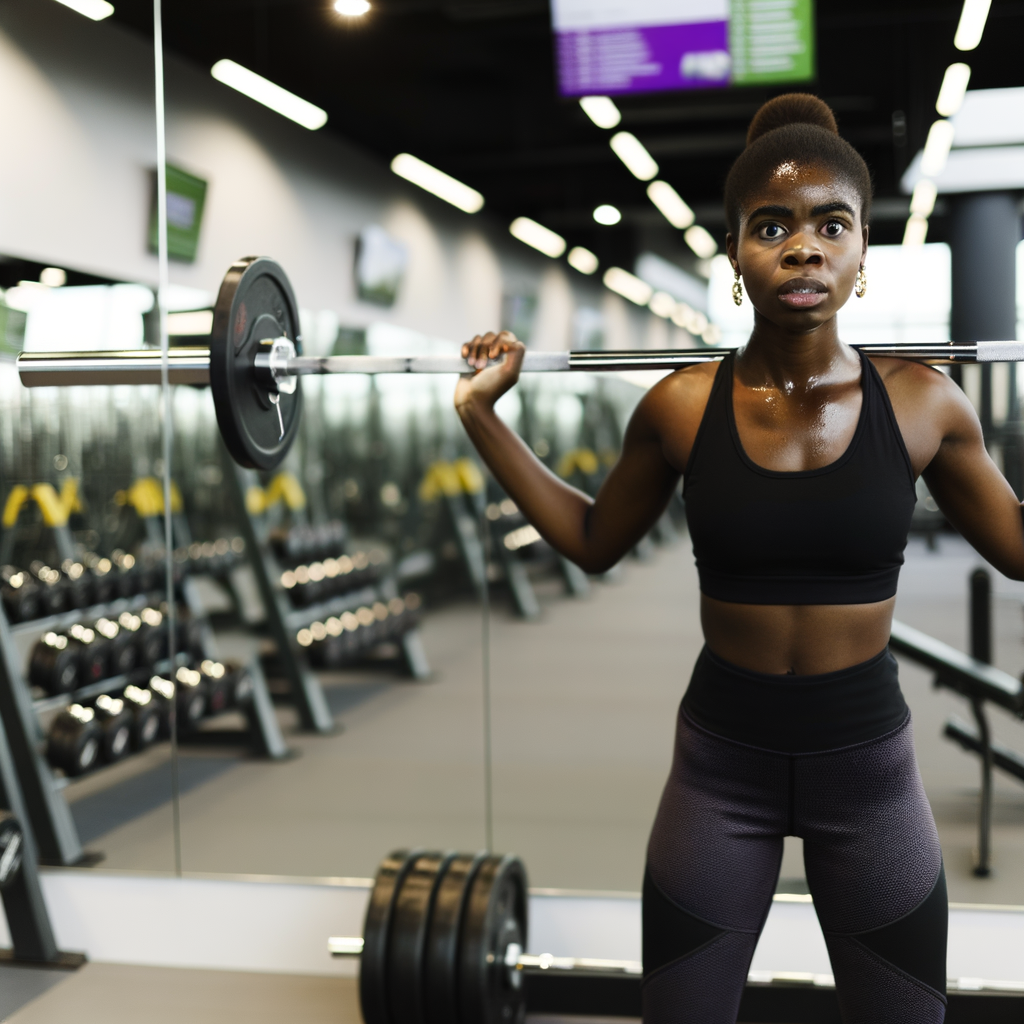
During a time when many would understandably scale back physical activity, LaShae Rolle took a different path. Diagnosed with stage 2B breast cancer at just 27 years old, the Miami-based competitive powerlifter continued lifting heavy weights throughout chemotherapy, surgery, and radiation. Her story is not only a testament to personal resilience but also a compelling case study in how strength training during cancer treatment can support physical and emotional well-being. The impact of exercise during cancer treatment is gaining attention in the medical community, and Rolle’s experience brings this conversation to life in a powerful way.
Before her diagnosis, Rolle was no stranger to intense training. She could squat 441 pounds, bench press 292 pounds, and deadlift 497 pounds. Her commitment to powerlifting was more than a hobby—it was a core part of her identity. So when she discovered a lump in her breast in early 2024, she initially dismissed it as a possible side effect of intense training. Her primary care physician also believed it was likely fibrous tissue, especially since her blood work was normal and she had no family history of breast cancer.

However, the lump grew. Six months later, Rolle noticed it had increased in size and sought further evaluation. What followed was a whirlwind of medical appointments, including a mammogram and ultrasound, which ultimately led to a diagnosis of breast cancer on February 5, 2024. Within weeks, she had her eggs frozen, underwent a mastectomy on her birthday, and began chemotherapy and radiation.
Throughout this physically and emotionally demanding process, Rolle continued her strength training regimen. She trained three times per week and followed each session with 30 minutes of cardio. Even during chemotherapy, she maintained impressive numbers, squatting 480 pounds, bench pressing 242 pounds, and deadlifting 405 pounds. Her doctors, initially unaware of the intensity of her workouts, later praised her dedication once they learned about the scale of her training.
“I never told the doctors exactly what I was lifting,” Rolle told Newsweek. “I just said I worked out and no one assumed I meant heavy lifting.”
What makes Rolle’s story particularly compelling is how it intersects with her academic work. She is currently pursuing a Ph.D. in public health, focusing on cancer prevention research. As part of her studies at the University of Miami’s Sylvester Comprehensive Cancer Center, she and her team are examining how exercise and diet affect cancer patients during treatment. Rolle applied this research to her own life, effectively becoming both subject and scientist.
The American Cancer Society supports the idea that exercise is not only safe but beneficial during cancer treatment. Regular physical activity can improve quality of life, reduce fatigue, and help manage side effects. In contrast, inactivity can lead to muscle loss, reduced mobility, and a diminished sense of well-being. Rolle’s experience provides real-world validation of these findings. By the end of her treatment, she had retained 93 percent of her squat strength and 87 percent of her bench press and deadlift strength—remarkable figures for someone undergoing chemotherapy.
“LaShae’s journey is a powerful reminder that survivorship is not just about recovery—it’s about reclaiming strength, identity and purpose,” said Tracy Crane, Rolle’s primary mentor and co-leader of the cancer research program at Sylvester. “Her commitment to powerlifting exemplifies how movement can be a form of healing, empowerment and advocacy.”
Rolle’s story also highlights the importance of self-advocacy in healthcare. Despite initial reassurances that the lump was benign, she trusted her instincts and sought further evaluation when it changed. This persistence led to an early diagnosis and, ultimately, a favorable outcome. In November 2024, a PET scan confirmed she was cancer-free. She rang the end-of-treatment bell in December, a moment of celebration and closure.
What I found particularly striking was how Rolle managed to integrate her academic research with her personal health journey. This dual role allowed her to test hypotheses in real time and gather firsthand insights into the benefits and challenges of exercising during cancer treatment. It’s rare to see such a direct application of research to lived experience, and it adds a layer of depth to her already inspiring story.
Rolle’s experience underscores the evolving understanding of how lifestyle factors like exercise can influence cancer outcomes. It also challenges outdated notions that cancer patients should rest and avoid strenuous activity. While every patient’s situation is unique and exercise plans should always be discussed with healthcare providers, Rolle’s case suggests that, under medical guidance, maintaining physical activity—even at high intensity—can be both safe and beneficial.
Her journey is a reminder that strength comes in many forms. For Rolle, it was not only the weight she could lift but also the resilience she demonstrated through months of grueling treatment. Her story is one of empowerment, science, and the human spirit’s capacity to endure and thrive.