
🚨Urgent: Missile Strikes Shelter in Ukraine! Rush Emergency Aid!
The Hidden Danger of Rope Toys for Dogs: What Every Owner Should Know
Guest Contributor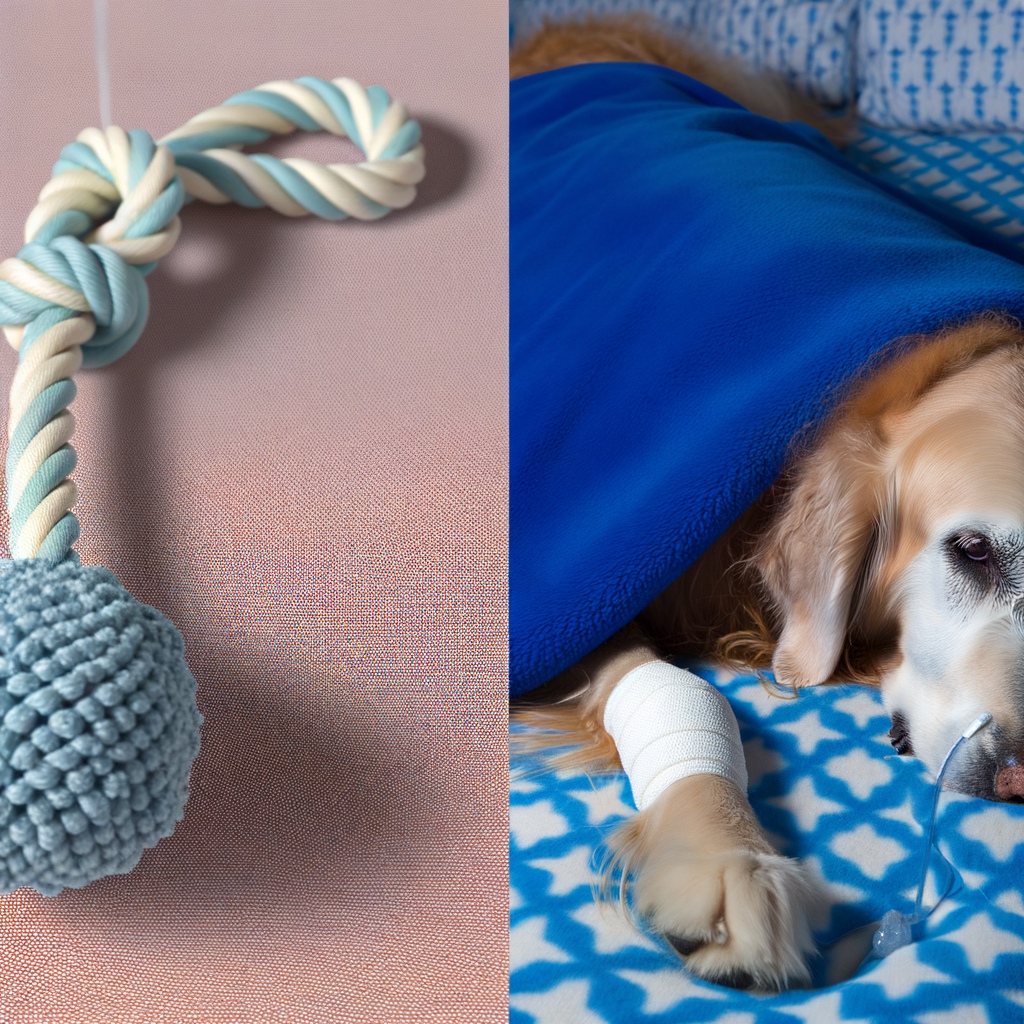
When it comes to choosing toys for our pets, safety is often assumed. Products lining the shelves of major retailers like Petco, PetSmart, and HomeGoods are marketed with trust, and many dog owners believe they are making responsible choices. But a recent tragedy shared by a devoted Golden Retriever owner has cast a harsh light on a common item: the rope toy. Her story, now circulating widely online, serves as a sobering reminder of the hidden dangers lurking in even the most familiar pet products.

Indria Tuckler, a longtime Golden Retriever owner and breeder, recently took to Facebook to share the devastating loss of her one-year-old dog, Sam. According to her account, she had purchased several rope toy balls from a local HomeGoods store, assuming they were durable and safe for her dogs to enjoy. Within hours, the toys had been torn apart. Concerned about the possibility of ingestion, Tuckler cleaned up the debris but could not have anticipated the severity of what had already occurred.

Tragically, Sam had ingested pieces of the rope toy. The consequences were swift and catastrophic. As reported by Tuckler, the rope fibers unraveled inside the dog’s digestive tract, acting like a saw as the intestines moved. The damage was extensive. Emergency surgery revealed three feet of rope entangled in Sam’s system and 14 inches of perforated intestines. Despite the veterinarians' best efforts, Sam developed sepsis and internal bleeding. Within two days of swallowing the rope, she passed away.
This heartbreaking incident is not an isolated one. Rope toy dangers have been documented before, with veterinarians and pet safety advocates warning of the unique risks they pose. Unlike other swallowed objects, rope fibers can tighten and shred internal tissues as they move through a dog’s digestive system. This can lead to blockages, perforations, and rapid-onset infections—conditions that are difficult to diagnose and often fatal.
What struck me most in reading Tuckler’s account was the urgency of her plea. She emphasized that rope toys are widely available, not just at pet-specific stores but also at discount retailers such as Marshall’s and TJ Maxx. The speed with which the toy unraveled and the severity of its impact were both alarming. Symptoms of ingestion—vomiting, diarrhea, excessive thirst, and appetite loss—can easily be mistaken for more benign illnesses, delaying critical treatment. Compounding the danger, rope fibers do not show up on X-rays, making early detection extremely challenging.
In her public post, Tuckler urged other dog owners to reconsider the use of rope toys altogether. She underscored that all dogs, regardless of breed or size, are at risk. Her message was not one of blame but of awareness. “This should never have happened,” she wrote. “These toys should be banned.” Her hope is that by sharing Sam’s story, others might be spared the same pain and loss.
For those unfamiliar with the mechanics of how rope can harm a dog internally, the explanation is both simple and chilling. As the dog’s intestines contract, the rope tightens. This sawing motion can tear holes in the intestinal wall, leading to internal bleeding and infection. Once sepsis sets in, the prognosis becomes grim. Surgery is often the only option, but even then, survival is not guaranteed.
Veterinary professionals have echoed these concerns. Some have gone so far as to advise against rope toys entirely, citing the frequency and severity of injuries they have seen in clinical settings. While not every dog will experience complications, the risk is significant enough to warrant caution—especially given the availability of safer alternatives on the market.
As pet owners, we often rely on product labels, store reputations, and past experiences to guide our purchases. But Sam’s story is a powerful reminder that even familiar items can carry hidden dangers. The importance of informed choices cannot be overstated, particularly when it comes to the health and safety of animals who cannot speak for themselves.
In light of this tragedy, it may be time for a broader conversation about pet toy safety standards. While regulatory oversight exists for many consumer products, pet items can sometimes fall into a gray area. Increased awareness, both from manufacturers and consumers, could play a critical role in preventing future incidents like the one that claimed Sam’s life.
For now, Tuckler continues to share her story, urging others to spread the word. Her grief is palpable, but so is her determination to turn loss into action. “Please share this with every dog owner you know,” she wrote. “If we spread the word, we can save lives.”
To learn more about this important issue, and to read her full account, visit Read more at ilovemydogsomuch.com