
🚨Urgent: Missile Strikes Shelter in Ukraine! Rush Emergency Aid!
Why Do Cats Wiggle Their Bottoms Before a Pounce Explained
Guest Contributor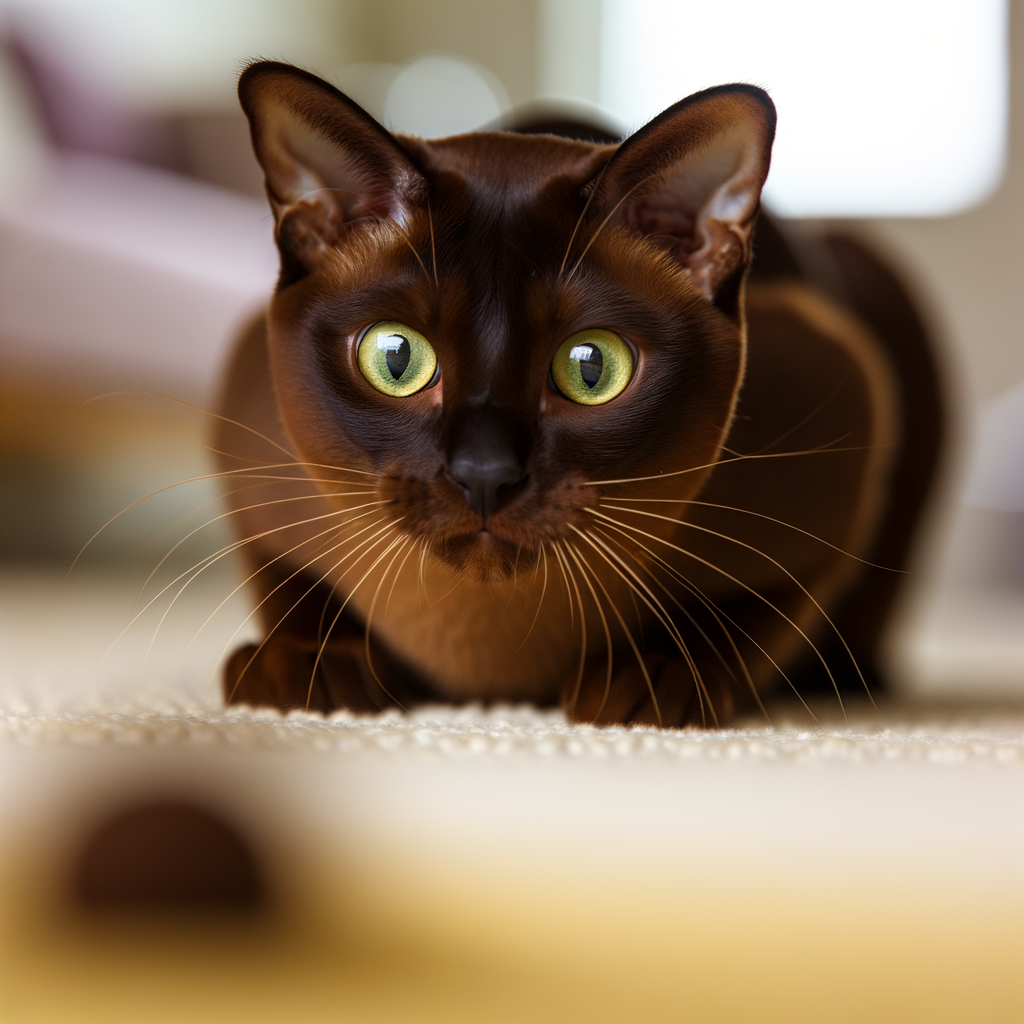
Cat lovers are often captivated by the quirky, endearing behaviors of their feline companions. One particularly charming gesture—often seen just before a cat makes a leap—is a little wiggle of the hindquarters. While it may appear to be just a playful or funny movement, experts say this behavior has deeper roots in feline instinct. A recent video by clinical cat behaviourist Amanda Champion has shed light on this fascinating feline ritual, offering insights that both educate and delight cat owners.

This “butt wiggle,” as many affectionately call it, is a common sight in households with cats. Whether a cat is about to pounce on a toy, leap onto a chair, or chase a dust bunny, the movement is unmistakable. Champion, who shares her expertise with over 98,500 followers on TikTok, explained that this behavior is far from random. It’s actually a multi-functional action grounded in a cat’s natural hunting instincts.

According to Champion, the wiggle serves several important purposes. First and foremost, it helps cats steady their hind legs just before they launch into action. This stabilization is crucial for ensuring a successful pounce, especially when the target is moving. “They’re also testing traction and balancing their weight,” she explained in her video. The motion acts as a kind of warm-up, giving cats a burst of energy similar to how an athlete might stretch or shift their weight before a sprint.

The behavior also offers clues about a cat’s emotional state. Champion noted that the wiggle can be a sign of excitement and anticipation. When a cat is playfully stalking a toy or preparing to leap onto a piece of furniture, the movement shows that they are fully engaged and ready for action. I found this detail striking, as it adds a layer of emotional context to a behavior many might dismiss as merely cute.
@kittysittycatbehaviour That adorable butt wiggle before the leap #catbuttwiggle #pounceprep #catplaymode #whydoCats #felineinstincts #catantics #CatBehavior #FelineInstincts #kittysitty ♬ original sound - kittysittycatbehaviour
Interestingly, this pre-pounce wiggle isn’t limited to domestic cats. Champion pointed out that wildcats and free-roaming cats exhibit the same behavior. In the wild, the wiggle helps ensure better projection and accuracy during a hunt. This demonstrates that the action is not only instinctive but also evolutionarily advantageous. It’s a compelling example of how even pampered pets retain the survival skills of their ancestors.
Champion also emphasized that variations in this behavior are completely normal. Some cats may wiggle more than others, and that’s usually a reflection of their individual play style. The movement might precede a serious pounce or a playful leap, but in either case, it is driven by instinct. Pet owners need not worry if one of their cats seems more animated than another—it’s all part of their unique personality.
The video resonated with many viewers, who shared their own observations in the comments. One person remarked, “My cats stretch on the chair before they hop up on it,” while another described their cat’s pre-pounce routine as a “full blown tippy tap dance.” These shared experiences highlight how widespread and recognizable this behavior is among cat owners.
Another commenter noted, “Mine would wiggle and back up a couple times before launching,” underscoring the variety in how cats prepare for their jumps. These anecdotes add a personal, relatable layer to the scientific explanation, reinforcing the idea that understanding pet behavior can deepen the bond between humans and animals.
Champion’s insights remind us that even the most seemingly trivial animal behaviors often have significant meaning. The cat bottom wiggle is more than just an adorable quirk—it’s a carefully calibrated action rooted in biology, emotion, and evolution. For those who share their homes with cats, recognizing and appreciating these behaviors can make cohabitation even more rewarding.
In the end, this small, often overlooked gesture serves as a powerful reminder of the complexity and richness of animal behavior. Whether it’s a house cat stalking a feather toy or a wild feline hunting in the grasslands, the same instincts are at play. And for pet owners, understanding these instincts can lead to greater empathy and a deeper connection with their furry companions.