
🚨Urgent: Send Lifesaving Aid to Spokane's Families and Displaced Pets! Rush Emergency Aid!
World War II Bristol Beaufighter Wreck Discovered on Cleethorpes Beach
Guest Contributor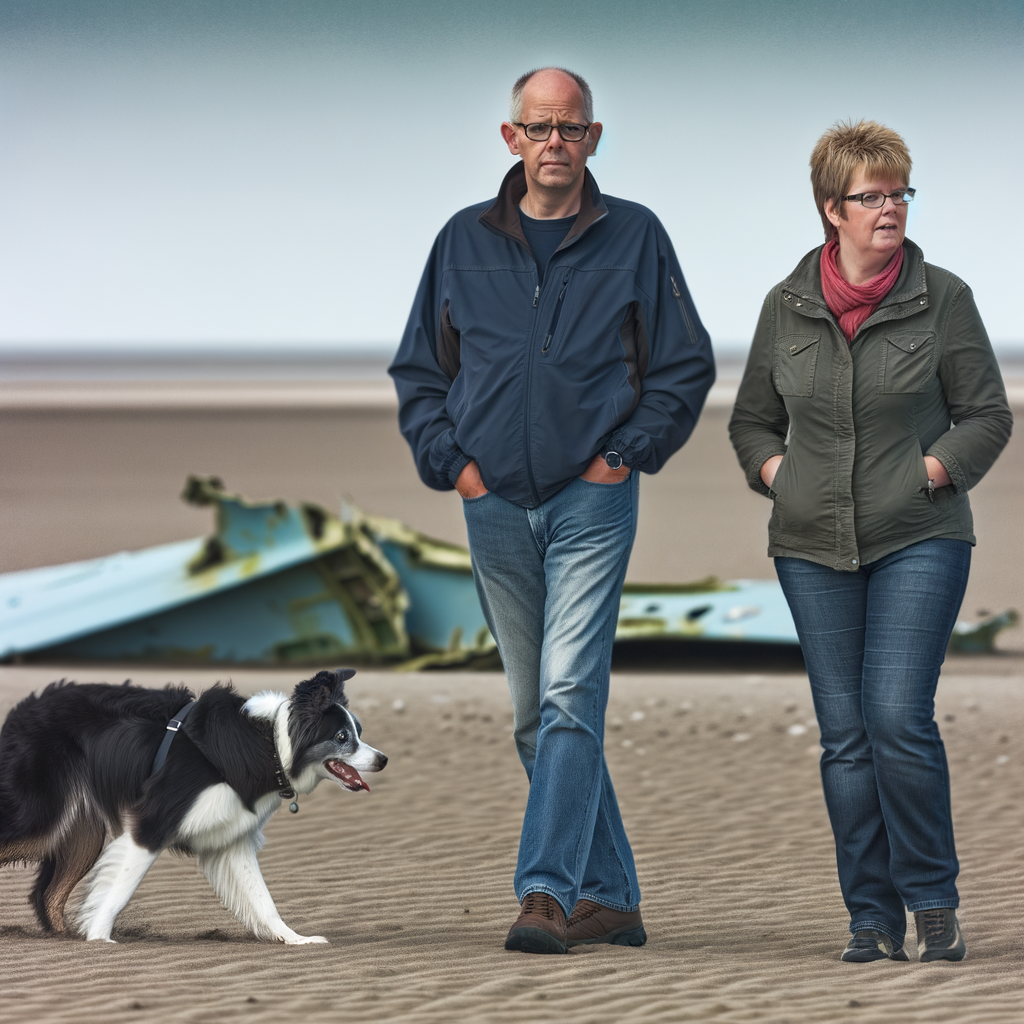
While walking their dog along Cleethorpes Beach in Lincolnshire, England, a couple made an astonishing discovery hidden beneath the sands — the wreckage of a World War II-era Bristol Beaufighter fighter plane. This unexpected find, revealed by shifting coastal sands, has captivated both the public and military historians alike. The story, first reported by Fox News and local sources, highlights not only a remarkable relic from the past but also the enduring presence of wartime history in everyday places.

The Bristol Beaufighter, known during the war as the “whispering death” due to its relatively quiet engines and high speeds of over 300 mph, was a formidable maritime attack aircraft used by British forces. The particular aircraft uncovered at Cleethorpes belonged to the Royal Air Force’s 254 Squadron and had taken off from RAF North Coates, a base situated just a few miles away. According to records, the fighter crash-landed in April 1944 shortly after takeoff when both engines failed. Miraculously, the crew survived the crash unharmed — a fact that experts attribute to the plane’s low altitude at the time of engine failure.
The couple who stumbled upon the wreck, Debi Louise Hartley and her partner Graham Holden, were on a routine walk with their dog when they noticed the aircraft’s remains partially exposed by the receding tide. Holden, who has walked that stretch of beach for nearly two decades, expressed his astonishment at the discovery. “I never expected to find anything like this in my life,” he said. “It’s an amazing find.”
Photos of the wreckage, shared on Facebook, quickly caught the attention of experts. The Royal Navy and a bomb disposal team were alerted when it became clear that the aircraft still contained live ammunition — a dangerous reminder of the plane’s military past. A controlled demolition was carried out to safely neutralize the explosives, which had remained active for 76 years beneath the sand. I found this detail striking: the idea that live wartime ammunition could lie undisturbed for decades, only to be uncovered by chance, speaks volumes about the hidden legacies of global conflict.
The aircraft was identified as bearing the serial number JM333, confirming its origin and connection to RAF North Coates. The base, originally established after World War I, played a crucial role during the Second World War as part of RAF Coastal Command. Its squadrons, including the one to which this Beaufighter belonged, were tasked with patrolling the North Sea and attacking German U-Boats and supply vessels. The base later transitioned to Cold War duties before closing in the 1990s and returning to private ownership.
Holden and Hartley took care to document their find properly, handing over their photographs to the Cleethorpes Coastguard to ensure the site could be recorded accurately. They refrained from disclosing the exact location of the wreck until authorities had confirmed it was safe, a responsible move given the presence of live ordnance. Their reaction to the discovery was one of awe and respect. “It’s just not what you would ever expect to find,” Holden remarked. “It could be covered up by the sand again soon. Who knows when it will next be uncovered — perhaps in another 80 years or so?”
The Bristol Beaufighter itself holds an important place in aviation history. With approximately 6,000 units built during the war, only a handful remain intact today — just five complete aircraft are known to exist. This makes the Cleethorpes discovery not only a rare find but also a valuable artifact for historians and aviation enthusiasts. The RAF Museum in London, which confirmed the aircraft’s identity, noted its significance within the broader context of the war effort and the sacrifices made by the airmen stationed at RAF North Coates. Of those who served there, 509 lost their lives, and 95 were decorated for bravery.
What makes this story particularly compelling is the juxtaposition of the ordinary and the extraordinary. A simple dog walk turned into a moment of historical revelation, reminding us that traces of the past often linger just out of sight. The sands of Cleethorpes Beach, with their natural ebb and flow, had concealed the wreckage for decades — only to reveal it again when conditions were just right. It’s a powerful metaphor for the way history can resurface in unexpected ways.
This discovery also highlights the importance of local awareness and the role that everyday citizens can play in preserving history. Without Hartley and Holden’s curiosity and initiative, this piece of wartime heritage might have remained hidden indefinitely. Their actions ensured that the site was safely secured, documented, and brought to public attention — a quiet but meaningful contribution to the collective memory of a global conflict.
In a time when much of our historical engagement happens through screens and archives, this story serves as a reminder that history is all around us — sometimes quite literally beneath our feet. Whether it’s a fighter plane buried under the sand or a forgotten document tucked in the floorboards of an old house, the past has a way of resurfacing when we least expect it.