
End Taxpayer Support For Racing That Breaks And Kills Horses

422 signatures toward our 30,000 goal

1.4066666666666667% Complete

Sponsor: The Animal Rescue Site

New York quietly funds horse racing while animals are whipped injured and pushed to their breaking point and the public is left in the dark about who is hurt and who is held accountable
End Taxpayer Support For Racing That Breaks And Kills Horses

On select days at Yonkers Raceway, New York lawmakers climb into racing carts and are pulled at speed by Standardbred horses during an event known as the Legislative Pace. The ride places elected officials inside a taxpayer-supported racing industry, largely away from public scrutiny1.

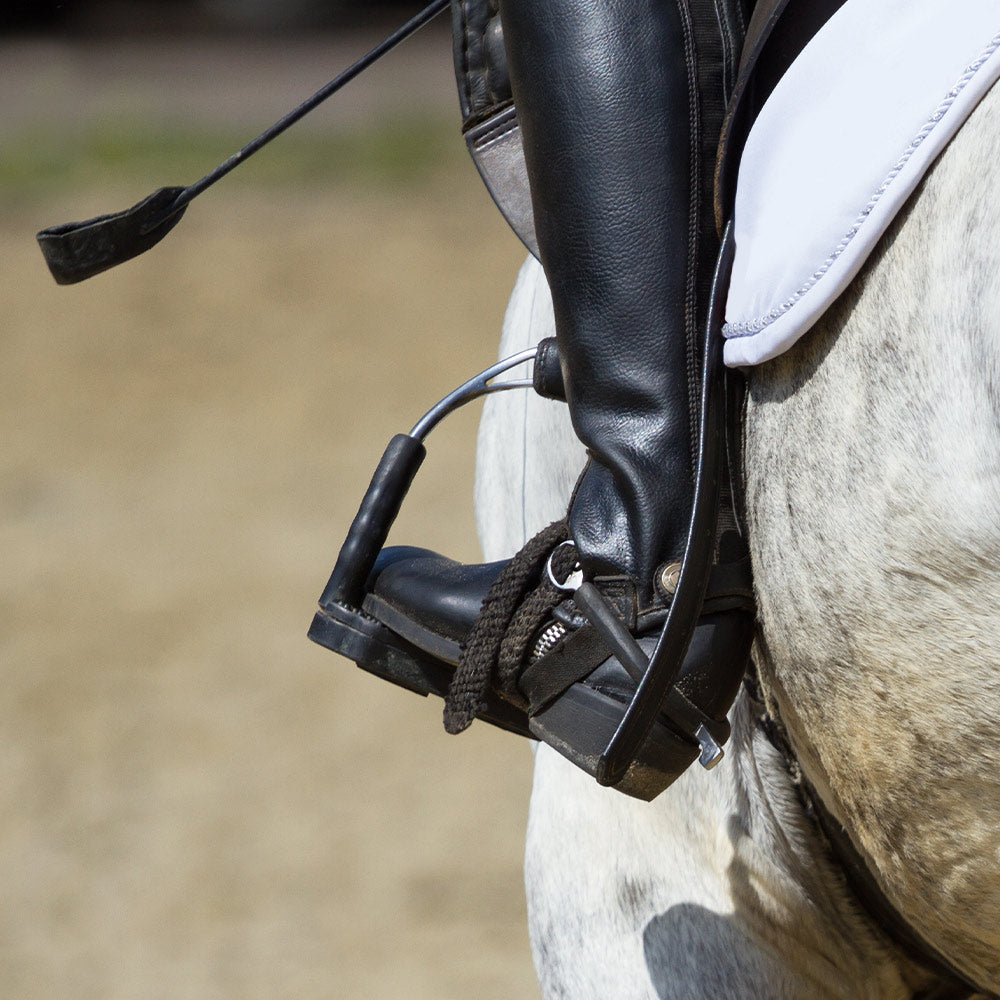
The setup mirrors real harness races. Horses complete full laps on a professional track while drivers carry whips. The action is broadcast on large screens even when the stands are nearly empty1. What is presented as a tradition exposes animals to the same stress and risks as everyday racing.

Public Funds and Private Suffering

New York sends hundreds of millions of dollars from gambling revenues into horse racing each year, including harness racing subsidies1. Supporters argue the funding sustains jobs and agriculture tied to the industry2. Opponents counter that without public money, the industry would struggle to survive.

For the horses, the consequences are physical. Tight turns, high speeds, and constant pressure increase the risk of injury. When harm occurs, the public often has limited access to clear, timely information about what happened3.

Rising Public Opposition

Animal advocates and education groups have repeatedly protested outside Yonkers Raceway, urging lawmakers to redirect public funds away from racing and toward schools and community needs4. They argue that entertainment should never come at the expense of animal welfare.

In recent years, organizers quietly reduced publicity around the Legislative Pace after activists raised concerns about horse treatment and public backlash intensified1. Critics see the reduced visibility as an acknowledgment that public tolerance for racing cruelty is waning.

What Advocates Say Must Change

Animal welfare groups warn that whip use, racing stress, and weak enforcement place horses in danger. They point to injuries and deaths as predictable outcomes of an industry that prioritizes speed and spectacle over safety3.

Press materials promoting the event emphasize friendly competition and economic value while minimizing the risks to horses5. Advocates argue that transparency and accountability are essential if public money continues to be involved.

Take Action for Horses

Ending subsidies that insulate horse racing from scrutiny is a critical step. Enforceable protections—such as a whip ban, public injury reporting, and lifetime bans for repeat violators—can reduce suffering and bring accountability.

Horses cannot consent to fear, pain, or injury. New York has the power to set a humane standard and refuse to fund cruelty.

Add your name and sign the petition today.

More on this issue:

  1. Jason Beeferman, Politico (25 November 2025), “Lawmakers’ Secret Horse Ride.”
  2. Business Council of Westchester, BCW Member News (20 September 2024), “17 New York State Legislators to Compete in Live Harness Races at Historic Yonkers Raceway.”
  3. Patrick Battuello, Horseracing Wrongs (12 December 2025), “Tell These Politicians That Animal Cruelty Is Neither Fun Nor Funny.”
  4. News 12 Staff, News 12 Long Island (13 September 2022), “Protesters Call on Lawmakers to Bet on Education Not Horse Racing in Yonkers.”
  5. Press Release, Paulick Report (31 August 2022), “Hottest Political Race of the Year: New York State Legislators Compete in Live Harness Races at Yonkers.”

The Petition

To the Majority Leader of the New York State Senate,

We write to urge decisive action to end public subsidies and special privileges that continue to prop up horse racing in New York—an industry where animals are allegedly whipped, injured, and killed in the name of entertainment and profit. Taxpayer dollars should not sustain practices that cause fear, pain, and preventable harm.

New York has long positioned itself as a leader on animal welfare. Yet public funds still flow to racing operations that rely on coercive tools, opaque reporting, and weak enforcement. Horses are sentient beings. They feel stress, pain, and terror. When they are driven at speed, struck with whips, raced on tight turns, and pushed beyond their limits, the consequences can be catastrophic. Injuries are often severe, and deaths are too frequently treated as the cost of doing business.

We ask the Senate to end subsidies and preferential treatment that shield this industry from accountability and to enact enforceable protections that put horses first. These reforms must include:

  • A comprehensive whip ban, ending the use of striking implements that cause pain and fear without improving safety.
  • Mandatory, public injury and fatality reporting, including training and race-day incidents, to ensure transparency and informed oversight.
  • Lifetime bans for repeat violators, holding trainers, owners, and operators accountable when patterns of abuse or neglect emerge.

These measures are not radical. They are basic safeguards grounded in compassion, transparency, and responsibility. Industries that receive public support should meet the highest ethical standards. When they do not, the public has a right—and a duty—to demand change.

Horses do not choose to race. They cannot consent to being whipped, confined, or pushed until their bodies fail. Humanity requires us to recognize their vulnerability and to act with compassion. We can protect livelihoods without sacrificing lives. We can support rural communities without endorsing cruelty. And we can invest public resources in ways that reflect our shared values.

New York can set a humane standard for the nation—one that prioritizes animal welfare, honest reporting, and real consequences for abuse. Ending subsidies that perpetuate harm and enacting strong protections will move us toward a future where progress is measured not by spectacle, but by how we treat those who cannot speak for themselves.

These actions will ensure a better future for horses, for communities, and for a state that chooses compassion over cruelty.

Sincerely,