Millions of Animals Are Shipped Every Year With No Temperature Rules to Protect Them
Matthew Russell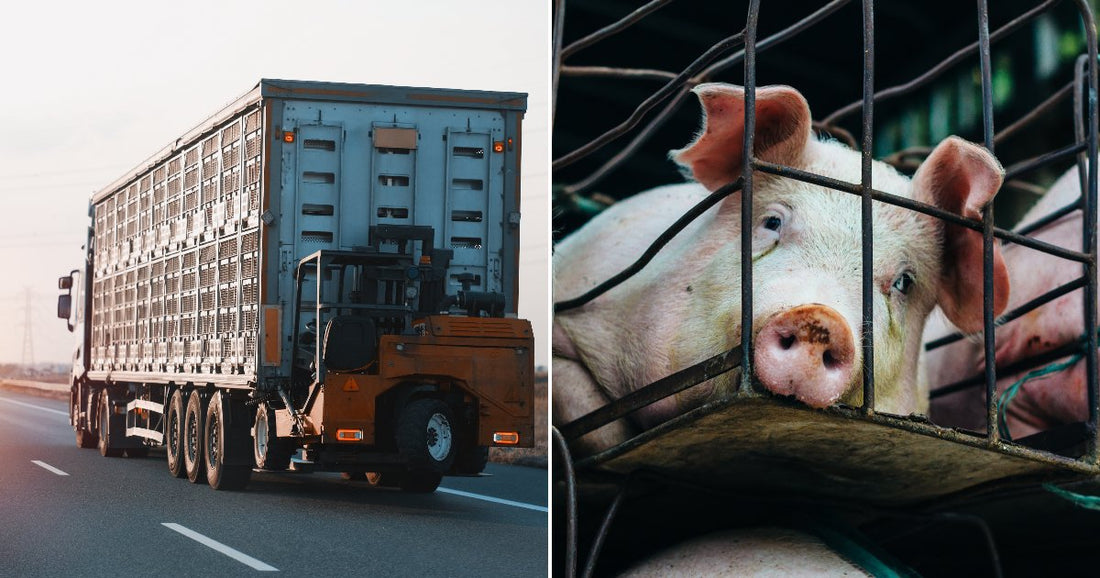
Every year, millions of animals are loaded onto trucks, planes, and cargo holds and shipped across the country. For companion animals especially, that journey can turn deadly — not because of freak accidents, but because there are no minimum temperature or ventilation requirements governing how those animals travel.

Millions of companion animals are transported commercially across the United States each year by truck, plane, and cargo hold.
\What the Law Actually Requires — and What It Doesn't
The rules that do exist are patchwork at best. According to Air Cargo Week, the USDA does have guidelines for pets transported by air cargo — covering crate size, documentation, and handling — but meaningful temperature and ventilation standards remain vague or absent. Ground transport of companion animals falls into an even wider regulatory gap. The result is that carriers are largely left to self-regulate on one of the most critical factors in animal survival: whether the air around them is breathable and the temperature is livable.

Heat and Cold Are Both Killing Animals in Transit
This isn't a theoretical problem. Data from Carbon Brief shows that livestock heat deaths during transport doubled in the United Kingdom during the record-breaking summer of 2025. Animals packed into poorly ventilated vehicles during extreme heat have no way to cool themselves. They overheat, suffer organ failure, and die — often before anyone realizes something is wrong.
Cold is equally dangerous. A recent case reported by PETA ended in a historic cruelty conviction after pigs froze to death aboard a transport truck. The ruling marked a rare moment of legal accountability, but it also exposed how frequently these tragedies go unaddressed. A conviction after the fact does nothing to protect the animals who died.

The Physiology of a Bad Trip
Transport stress compounds everything. As The Humane League explains, animals in transit experience elevated stress hormones, compromised immune function, and heightened vulnerability to temperature extremes — all before environmental conditions even become a factor. An animal that is already frightened and physiologically stressed has far less resilience to heat or cold. Without regulated airflow and temperature controls, the odds shift against survival with every mile.
Climate Change Is Making the Window Narrower
Extreme weather events are becoming more frequent and more severe. The same Carbon Brief reporting that documented the UK's 2025 transit deaths ties the surge directly to record heat driven by climate change. Standards written for average conditions are failing animals in an era of extremes. What once might have been a manageable risk is now a pattern with a body count.

The USDA Has the Authority to Act
USDA APHIS is the federal agency with jurisdiction over animal welfare in transport. It has the regulatory authority to establish enforceable minimum temperature and ventilation requirements for commercial animal transport — including companion animals. Other countries have moved in this direction. The US has not.
Animals in transit cannot advocate for themselves. They cannot open a window, signal a driver, or wait for better conditions. They depend entirely on the standards set before they ever board a vehicle.
Click below to make a difference.