Antarctic Krill Collapse Puts the Southern Ocean on the Brink
Matthew Russell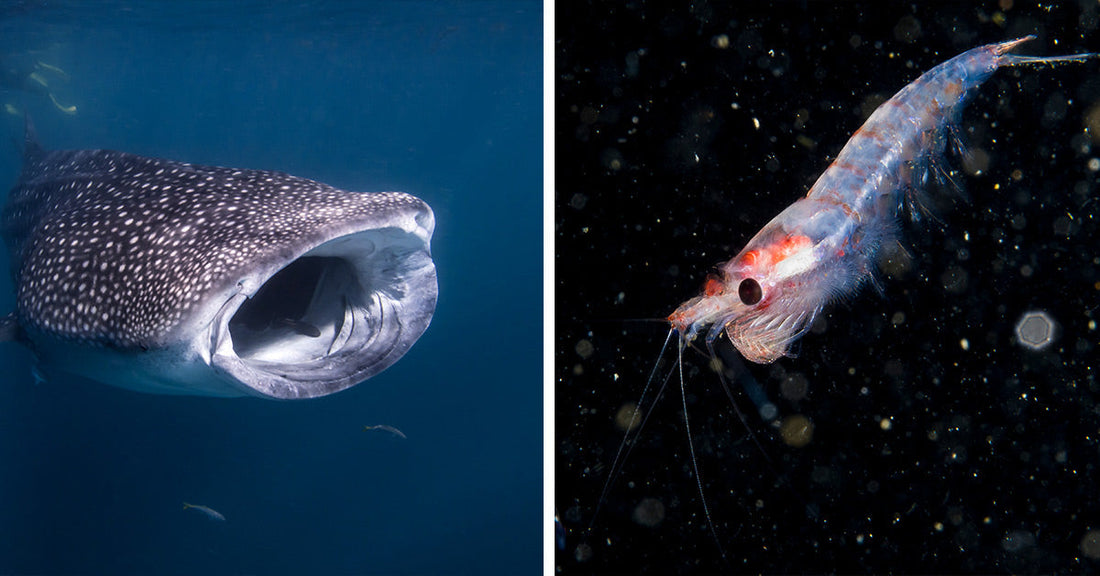
Antarctic krill sit at the center of the Southern Ocean food web, yet their numbers have fallen to levels scientists now view as unsustainable. These shrimp-like crustaceans support whales, seals, penguins, fish, and seabirds while also helping regulate Earth’s climate. Their decline threatens the stability of an entire ecosystem.
Research synthesized by the Australian Antarctic Program, shows that krill density has dropped sharply in the Southwest Atlantic sector, historically the most productive region for the species. This area once held more than a quarter of the global krill population. Today, concentrations there have thinned dramatically.

Antarctic krill are a keystone species in the Southern Ocean.
Climate Change Is Shrinking Krill Habitat
Warming ocean temperatures and shorter sea-ice seasons are reshaping where krill can survive. A comprehensive review in Nature Reviews Earth & Environment links rising temperatures and reduced winter ice to a southward contraction of krill habitat. The loss of sea ice matters because juvenile krill rely on ice-associated algae for food and shelter during their earliest life stages.
As ice forms later and melts sooner, fewer larvae survive the winter. The review notes long-term declines in adult krill density alongside a reduction in the size and frequency of dense swarms, a signal that the population is under sustained stress.

Whales depend on dense krill swarms for energy.
A Food Web Under Pressure
Krill declines ripple outward. According to Scientific American, some Antarctic regions have seen krill populations fall by as much as 70 to 80 percent over several decades. Predators can switch prey during lean years, but those alternatives may not provide enough energy over time.
Penguins face particular risk. Many colonies formed near historically reliable krill grounds. As krill shift south or thin out, adult birds must travel farther to feed their chicks, reducing survival rates. Recovering whale populations and seals also depend on predictable krill swarms to meet their enormous energy needs.
Carbon Cycling at Risk
Krill play an outsized role in storing carbon. As they feed on phytoplankton, they package carbon into fecal pellets and molts that sink to the deep ocean. The Antarctic and Southern Ocean Coalition explains that this biological pump helps keep millions of tons of carbon out of the atmosphere each year.
When krill numbers fall, that carbon transfer weakens. Fewer swarms mean less carbon sinks to the seafloor, reducing a natural climate buffer at a moment when it is most needed.

Fishing often overlaps with predator foraging grounds.
Fishing Adds to a Fragile Equation
Climate change is not the only pressure. As Mongabay reports, industrial krill fishing has expanded as demand grows for aquaculture feed and dietary supplements. Fishing effort concentrates in the same regions predators use as feeding and nursery grounds.
Current management limits total catch, but scientists warn that these rules were designed for a colder, more stable ocean. As habitat shrinks, even legally permitted catches can cause localized depletion, intensifying competition between fishing vessels and wildlife.
An Ecosystem at a Tipping Point
Krill remain abundant compared to many marine species, but abundance alone no longer tells the full story. Habitat loss, disrupted reproduction, and concentrated fishing pressure have pushed key populations toward levels scientists now consider unsustainable.
Without stronger protections and climate-aware management, the Southern Ocean risks losing the species that holds its food web together.
Click below to make a difference.