🚨Urgent: Missile Strikes Shelter in Ukraine! Rush Emergency Aid!
Hundreds Of Beagles Will Finally Leave A Wisconsin Research Farm Behind
Matthew Russell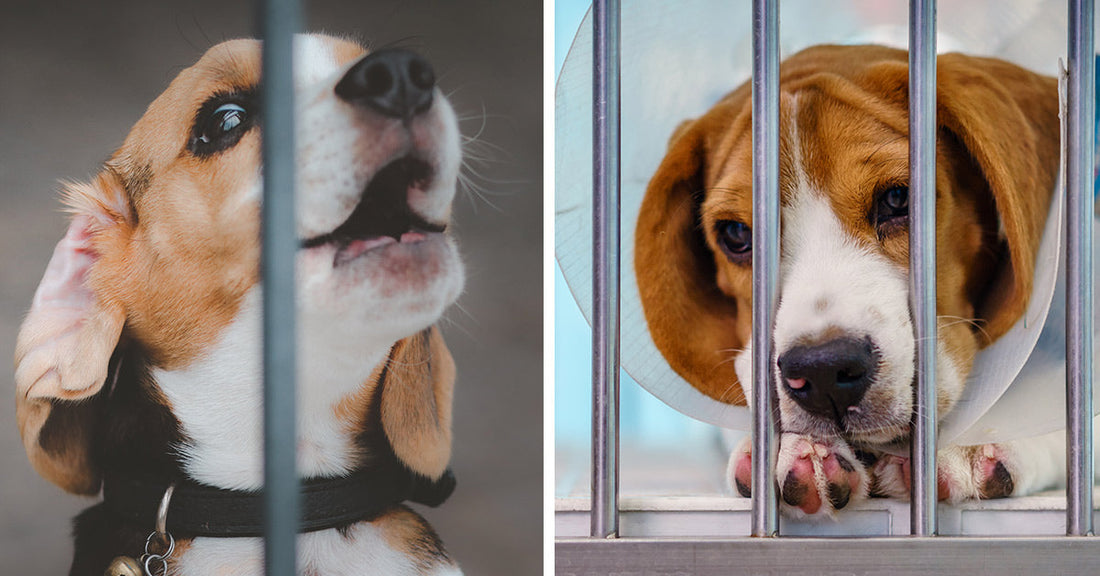
Hundreds of beagles are set to leave Ridglan Farms, a Wisconsin breeding and research facility that has drawn years of public pressure over its use of dogs in laboratory work.
Big Dog Ranch Rescue reached an agreement to take in the remaining 475 beagles and said the facility will permanently close its dog breeding, sales, research, and testing operations, ABC News reports.
The Florida rescue group had already helped move about 1,500 dogs from Ridglan Farms earlier this year, according to The Associated Press. The new agreement covers the dogs still left behind.

Hundreds of beagles are leaving Ridglan Farms after a new rescue agreement.
A Staggered Rescue Plan Begins
The next transfers are expected to happen in phases. The final 150 beagles are scheduled to be released to Big Dog Ranch Rescue by early August 2026, FOX6 Milwaukee reports.
Once moved, the dogs will receive veterinary care, vaccinations, spay and neuter procedures, and time to prepare for adoption. Some will go to rescue campuses in Florida and Alabama. Others will move through partner groups.
In May, Dane County Humane Society began receiving part of the larger group of released beagles. The organization said the first 150 dogs arrived in two waves, with 95 transported in the morning and 55 later that day, Dane County Humane Society reports.

The remaining dogs are expected to move into rescue care in stages.
Years Of Pressure Led To This Moment
Ridglan Farms had supplied beagles for biomedical research and held both breeder and research licenses. The company has denied mistreatment and has said its animals were healthy.
The controversy sharpened after a special prosecutor reviewed allegations connected to animal treatment at the facility. Ridglan later agreed to surrender its state breeding license, while advocates continued to press for the release of the dogs still housed there, Wisconsin Public Radio reports.
PETA said the closure agreement means the remaining dogs will be released and the facility will stop its beagle breeding and testing work.

Ridglan Farms has agreed to permanently close its dog operations.
The Dogs Still Need Time To Heal
Leaving the facility is only the first step. Former laboratory beagles can struggle with grass, stairs, toys, household noise, and gentle touch. Some have never had the normal choices that shape a dog’s life.
Foster families working with rescued Ridglan beagles described anxious dogs who needed time, quiet routines, and help from other household pets, The Guardian reports.
That makes the next phase critical. These dogs are not just moving from one location to another. They are moving from research life into recovery.
For rescue teams, the work now turns to medical care, patient homes, and the slow process of helping hundreds of beagles learn that the world can be safe.