
California Fuel Program Enriches Factory Farms While Communities Suffer
Matthew Russell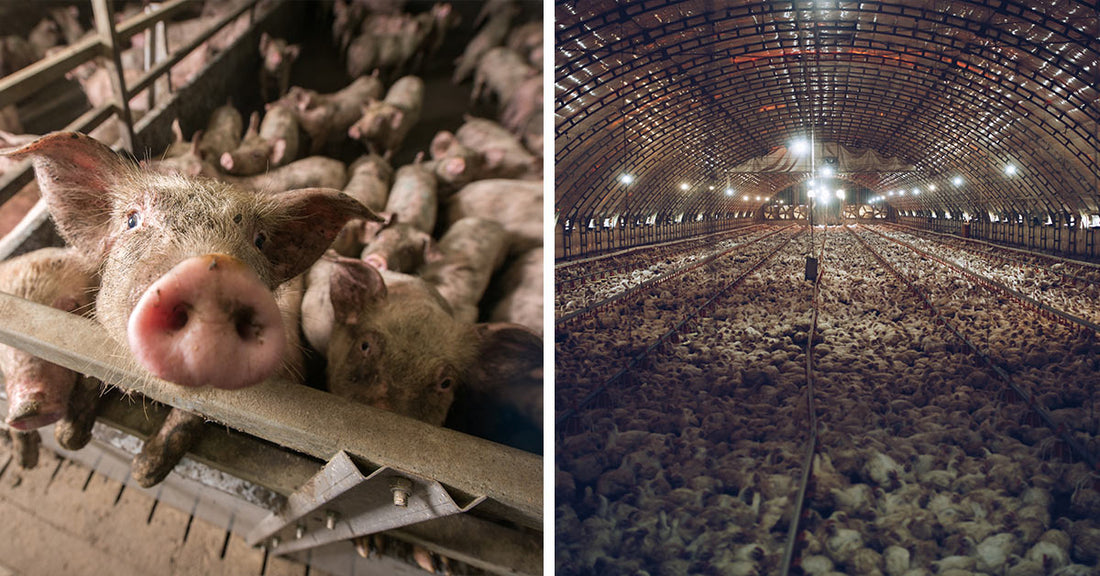
California’s Low Carbon Fuel Standard (LCFS) was meant to cut transportation emissions. Instead, it has become a pipeline of subsidies for factory farm biogas and crop-based biofuels, rewarding some of the state’s dirtiest and most inhumane industries.
From 2011 to 2022, the program funneled more than $5.8 billion into polluting fuels like manure gas and corn ethanol, according to NRDC. True clean technologies like solar-charged electric vehicles remain underfunded.

California’s LCFS funnels billions to factory farm gas.
How Factory Farms Profit
Mega-dairies dominate California’s Central Valley, housing 1.7 million cows in confinement. Their manure, stored in open pits, releases methane. Instead of reducing herd sizes or adopting cleaner practices, dairies install digesters to capture methane and sell it as “renewable natural gas.”
This gas often receives a negative carbon score under the LCFS, making it more lucrative than wind or solar. The scoring ignores methane leaks, nitrous oxide from leftover digestate, and the emissions caused by industrial confinement itself, Food & Water Watch reports. The result is lavish subsidies for factory farm gas — more than $1.2 billion to date.

Methane digesters keep animals trapped in confinement.
Communities Pay the Price
Residents near these dairies live with asthma-inducing air, contaminated water, and rising ammonia levels that worsen around digesters. Children in the Central Valley visit emergency rooms for asthma at some of the highest rates in the state, Earthjustice reports.
While communities breathe toxic air, corporations like Chevron, BP, and Smithfield use their investments in digesters to greenwash ongoing pollution. The LCFS turns animal suffering and public health hazards into profitable credits for polluters.

Manure pits release methane, nitrous oxide, and ammonia.
The Biofuel Problem
The LCFS also incentivizes crop-based biofuels, diverting soy, corn, and canola oils from food markets to fuel tanks. CARB’s own 2015 analysis warned this could push up food prices and cause shortages. As California Policy Center highlights, rising demand contributes to global deforestation, including the clearing of Amazon rainforest and Southeast Asian peatlands for palm oil. In some cases, the emissions from land conversion outweigh the savings from the fuels themselves.
Even recent reforms fall short. While CARB proposed limits on crop-seed oil biofuels, the Clean Air Task Force warns that loopholes for jet fuels and exemptions until 2028 undermine the safeguards.

Communities near dairies face high asthma rates.
Animals Trapped in Confinement
At the heart of the issue are the animals themselves. Factory farm biogas depends on keeping thousands of cows confined in cesspool-like conditions. By subsidizing methane capture, California creates an incentive to maintain or even expand these operations, ensuring animals remain trapped in inhumane systems while industries profit.
A Climate Policy at Crossroads
California has ambitious zero-emission vehicle targets, but the LCFS diverts money away from electrification. Stanford researchers estimate that ending “avoided methane” crediting could more than double LCFS funding for EVs by 2030, NRDC reports.
Instead, CARB recently voted to extend support for biogas and crop fuels through 2045, despite widespread opposition from scientists, environmental advocates, and over 20,000 Californians calling for change, according to Earthjustice.
The LCFS was supposed to cut emissions. Instead, it entrenches factory farms, drives deforestation, and delays a zero-emissions future. Unless reformed, California’s flagship climate program will continue to pollute communities, inflate food prices, and keep animals in cruel confinement — all while claiming to be part of the solution.
Click below to make a difference.