
🚨Urgent: Rush Aid to People & Pets in Nepal's Devastating Floods! Help Now!
California’s Wildfire Goats Face Slaughter After a Shocking Wage Spike
Matthew Russell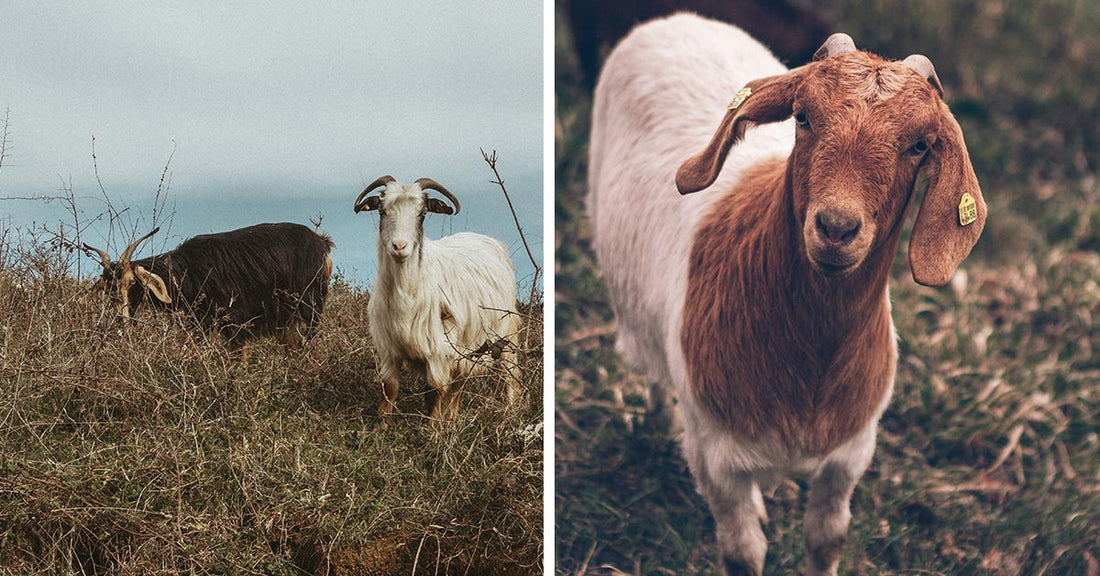
California’s four-legged wildfire crews could soon disappear from the hillsides they protect.
A temporary wage provision for goat herders expired July 1. Employers must now calculate pay under hourly minimum-wage and overtime rules for workers who remain on call around the clock. That pushes estimated compensation to about $20,000 a month, or $240,000 a year, according to Ag Alert.
Until the deadline, goat herders qualified for the same alternative monthly system as sheepherders. The 2026 rate was $4,938.21, including required overtime, the California Department of Industrial Relations reports.

California’s goat grazing industry faces an immediate financial crisis.
A Legal Distinction Separates Goat and Sheep Herders
The crisis stems from wording that established the special monthly wage for sheepherders but did not permanently include goat herders. Lawmakers approved temporary parity in 2022 and later extended it through June 30, 2026.
That extension expired without a replacement. Applying ordinary labor rules to a worker considered on duty for 168 hours each week creates the six-figure estimate, according to research published by California Agriculture.
The state-commissioned SB 143 study found that industry representatives and worker advocates agreed on one point. Sheep and goat herders should receive the same wage structure because their work is similar and frequently overlaps. They remained divided over the proper wage level and enforcement.

A herder’s estimated annual minimum compensation has climbed to $240,000.
Wildfire Grazing Companies Warn They Cannot Survive
Businesses say they cannot pass the increase to cities, utilities and landowners without making targeted grazing unaffordable. One South Bay operator told ABC7 San Francisco that the change could force the company to close.
Other ranchers warn that herds may leave the state within weeks. Robert McGrew of Ecosystem Concepts said his company could ship its goats away for slaughter. Operators also predict hundreds of herders could lose their jobs if grazing companies collapse.

The wage increase took effect after a temporary legal provision expired.
California Could Lose a Proven Wildfire Tool
Goats eat shrubs, low branches and other ladder fuels that can carry fire from the ground into tree canopies. They also work on steep slopes where equipment and hand crews face greater difficulty.
A 2026 field project reduced vegetation from an average of 3,159 pounds per acre to 1,220 pounds per acre, according to UC Agriculture and Natural Resources. Trampled plants also became less receptive to fire.
California continues to seek grazing contractors while its wage rules threaten the companies able to provide them. Without rapid legislative action, communities could enter peak fire season with fewer animals, fewer herders and fewer options for clearing dangerous vegetation.